Forest Batis (Batis mixta): A Jewel of African Woodlands
Introduction
The Forest Batis (Batis mixta) is an enchanting small bird species that captivates the hearts of bird enthusiasts and ornithologists alike. Nestled within the understory of African woodlands, this avian gem is a member of the wattle-eye family, Platysteiridae. Known for its striking plumage and melodious calls, the Forest Batis plays a vital role in the ecosystem, serving as both a predator and prey within its habitat. This article delves into the distinctive characteristics, habitat, behavior, and conservation status of the Forest Batis, offering a comprehensive overview of this fascinating bird.
Distinctive Characteristics
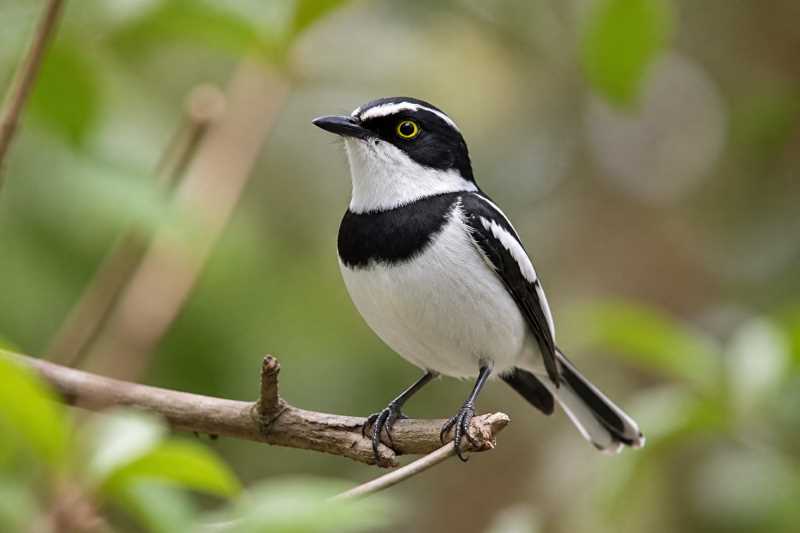
The Forest Batis is a diminutive bird, measuring approximately 10-11 cm in length and weighing around 10-15 grams. Despite its small size, it is distinguished by its vibrant plumage and striking markings. The male Forest Batis is adorned with a glossy black head and back, contrasted by a white throat and underparts. A notable white stripe above the eye, along with a black band across the chest, adds to its distinctive appearance. The female, while similar in size, exhibits a more subdued color palette with brownish tones replacing the male’s black plumage. Both genders have a unique black mask that gives them a charismatic and somewhat mysterious look.
Habitat and Distribution
The Forest Batis is predominantly found in the montane and lowland forests of eastern and southern Africa. Its range extends through countries such as Tanzania, Kenya, Malawi, Mozambique, and Zimbabwe. Preferring dense, evergreen forests, this species thrives in areas with abundant canopy cover and a rich undergrowth. The bird’s presence is often an indicator of healthy forest ecosystems, as it relies on the complexity of the habitat for foraging and breeding.
Behavior and Ecology
Forest Batises are primarily insectivorous, feeding on a variety of arthropods including beetles, caterpillars, and spiders. Their foraging behavior is characterized by agile movements through the lower and middle canopy layers, where they glean insects from leaves and branches. Often seen in pairs or small family groups, Forest Batises communicate through soft whistles and trills, which serve as contact calls and territorial signals.
During the breeding season, which varies geographically, the Forest Batis engages in elaborate courtship displays. The male performs aerial acrobatics and sings to attract a mate, showcasing its agility and vocal prowess. Once paired, both the male and female participate in nest building, choosing a hidden spot in dense foliage to construct a cup-shaped nest. The female typically lays 2-3 eggs, which are incubated by both parents. After hatching, the chicks are fed by both adults until fledging.
Conservation Status and Threats
The Forest Batis is currently classified as Least Concern by the International Union for Conservation of Nature (IUCN). Despite this relatively secure status, the species faces ongoing challenges primarily due to habitat loss and fragmentation. Deforestation for agriculture, logging, and human settlement poses significant threats to the bird’s natural habitat. Conservation efforts, including habitat protection and sustainable forest management, are crucial to ensuring the survival of the Forest Batis and the biodiversity of the forests it inhabits.
Conclusion
The Forest Batis stands as a symbol of the rich avian diversity found within Africa’s forests. Its vibrant plumage, distinctive behavior, and ecological significance make it a subject of admiration and study. As with many forest-dwelling species, the future of the Forest Batis depends on our commitment to preserving the delicate ecosystems they call home. Through conservation initiatives and increased awareness, we can help safeguard this enchanting bird and the habitats it represents, ensuring that future generations will continue to witness the beauty and wonder of the Forest Batis.
References
- BirdLife International. (2021). Species factsheet: Batis mixta.
- del Hoyo, J., Elliott, A., & Christie, D. (Eds.). (2006). Handbook of the Birds of the World.
- Sinclair, I., & Ryan, P. (2010). Birds of Africa South of the Sahara.
Related posts