Introduction
The White-tailed Mongoose (Ichneumia albicauda) is a fascinating member of the Herpestidae family, which includes other well-known species such as the meerkat. Recognized for their distinct long white-tipped tails, these creatures are the largest of the mongoose species. While they may not be as famous as their meerkat cousins, White-tailed Mongooses are essential components of their ecosystems, playing a crucial role in controlling insect populations. This article delves into the various aspects of the White-tailed Mongoose, from its physical characteristics to its habitat, behavior, and conservation status, providing a comprehensive overview for enthusiasts and scholars alike.
Physical Description
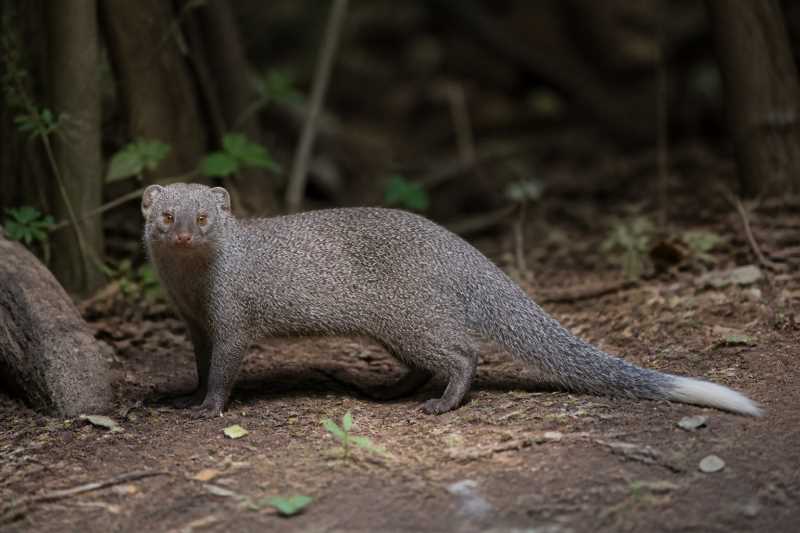
White-tailed Mongooses are medium-sized mammals, with adults typically weighing between 2.5 and 5 kilograms (5.5 to 11 pounds) and measuring about 53 to 71 centimeters (21 to 28 inches) in length, excluding their tails. Their tails add another 40 to 47 centimeters (16 to 19 inches), making them one of the longest-tailed members of the mongoose family.
Their most striking feature is the bushy tail with a conspicuous white tip, which contrasts with their otherwise grizzled grey to brown fur. The body fur consists of coarse hairs with a darker base and lighter tips, giving them a somewhat mottled appearance. The head is slightly elongated, with small, rounded ears and a pointed snout, characteristic of many mongoose species.
Range and Habitat
The White-tailed Mongoose has a wide distribution across sub-Saharan Africa, inhabiting regions from Senegal and Gambia in the west to Ethiopia and Somalia in the east, and down south to South Africa. They are highly adaptable creatures, found in diverse habitats such as savannas, grasslands, woodlands, and even semi-desert areas. They prefer regions with dense ground cover that offers protection and ample foraging opportunities.
Nevertheless, they are seldom found in dense forests or extremely arid deserts. Their adaptability to various environments underscores their resilience and capability to thrive in different ecological zones.
Behavior and Diet
White-tailed Mongooses are primarily nocturnal, spending their days resting in burrows, hollow logs, or dense vegetation. They become active at dusk, often embarking on solitary foraging expeditions. Though generally solitary, they may sometimes be seen in pairs or small family groups.
Their diet is omnivorous but leans heavily towards carnivory, consisting primarily of insects, small rodents, birds, eggs, and occasionally fruits and berries. They are particularly fond of beetles and termites, which they expertly extract from their hiding places using their sharp claws and keen sense of smell.
Identification Tips (field recognition cues)
Identifying the White-tailed Mongoose in the wild can be a rewarding experience for wildlife enthusiasts. Here are some tips to help distinguish them:
- Tail: The most distinctive feature is the bushy white-tipped tail, which is easily spotted against the darker foliage.
- Size and Build: They are larger than most other mongoose species, with a robust build and relatively long limbs.
- Coloration: Look for the grizzled grey-brown fur with a mix of dark and light hairs.
- Behavior: Note their nocturnal activity patterns and solitary nature.
Conservation Status (with threats and protections)
The White-tailed Mongoose is currently classified as Least Concern by the International Union for Conservation of Nature (IUCN). This status is due to their wide distribution and presumed large population. However, like many wildlife species, they face threats from habitat destruction due to agricultural expansion, urbanization, and deforestation.
They are also occasionally hunted for bushmeat or persecuted in areas where they are mistakenly believed to be threats to livestock. Conservation efforts include habitat preservation and local education programs to mitigate human-wildlife conflicts.
Frequently Asked Questions
What is the lifespan of a White-tailed Mongoose?
In the wild, White-tailed Mongooses typically live for about 8 to 10 years, though they can live longer in captivity with proper care.
Are White-tailed Mongooses dangerous to humans?
White-tailed Mongooses are not dangerous to humans. They are shy and elusive creatures that prefer to avoid human contact. If cornered, they may defend themselves but typically pose no threat.
Do White-tailed Mongooses live in groups?
White-tailed Mongooses are primarily solitary but may occasionally be found in pairs or small family groups, especially during the breeding season or when a mother is with her young.
How do White-tailed Mongooses communicate?
They communicate through a range of vocalizations, scent markings, and body language. Their vocalizations include grunts, growls, and other sounds to express various needs or warnings.
What role do White-tailed Mongooses play in their ecosystem?
As insectivores, they help control insect populations, which can benefit agriculture and reduce the spread of certain pests. They are an integral part of the food web, serving as both predator and prey in their ecosystems.
Related posts