Japanese Badger (Meles anakuma): A Comprehensive Guide
Introduction
The Japanese Badger, scientifically known as Meles anakuma, is a fascinating mammal species native to Japan. These creatures, renowned for their distinctive appearance and elusive nature, play a crucial role in their ecosystem. As close relatives of the more widely recognized European badger, Japanese badgers exhibit unique behaviors and characteristics that make them a subject of interest for wildlife enthusiasts and researchers alike. This article delves into the various aspects of the Japanese badger, from its physical description and habitat to its diet and conservation status.
Physical Description
The Japanese badger is a medium-sized mammal characterized by its robust and muscular build. Adult Japanese badgers typically measure between 50 to 80 centimeters in length, with a tail adding an additional 12 to 20 centimeters. They weigh between 7 to 14 kilograms, although weight can vary depending on the season and availability of food.
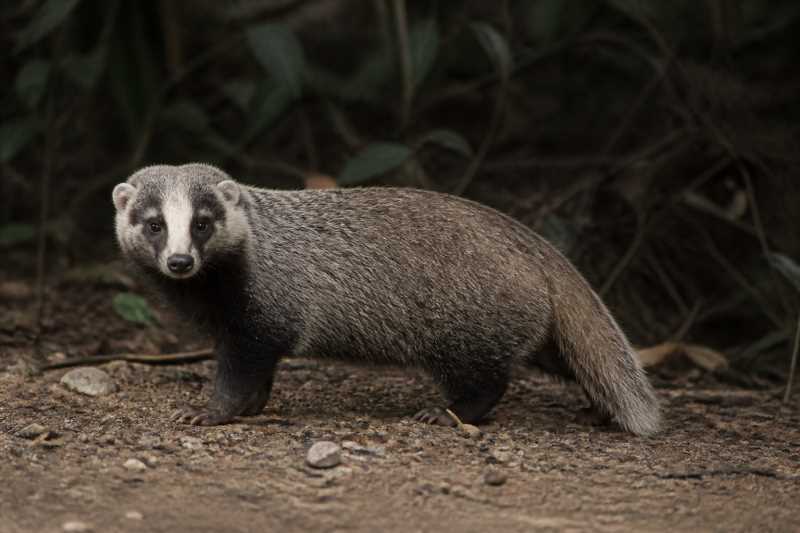
The fur of the Japanese badger is coarse and dense, providing insulation against the cold winters of its habitat. The coloration is generally a mix of gray and brown, with a distinctive black and white facial pattern. This pattern includes black patches around the eyes and a white stripe running from the nose to the back of the head, helping to distinguish it from other badger species.
Distinctive Features:
- Short, sturdy legs equipped with strong claws for digging.
- A pronounced snout ideal for foraging.
- Small, rounded ears that are less prominent than those of other badger species.
Range and Habitat
Japanese badgers are endemic to the islands of Japan, primarily found on Honshu, Shikoku, and Kyushu. They inhabit a range of environments, from lowland forests to mountainous regions, demonstrating remarkable adaptability to varied ecological zones. Preferential habitats include deciduous and mixed forests, where they can find ample food and shelter.
These badgers are excellent diggers, often creating extensive burrow systems or occupying abandoned burrows. Their habitats are typically characterized by loose soil that facilitates their digging behavior. Water sources are usually nearby, as badgers require regular access to water for hydration and food processing.
Behavior and Diet
Japanese badgers are predominantly nocturnal creatures, engaging in most of their activities during the night. Solitary by nature, they lead a largely independent life except during mating season or when rearing young. Their burrows, known as setts, are complex structures with multiple entrances and chambers, providing a safe haven from predators and harsh weather.
Diet:
Japanese badgers are omnivorous, with a diet that varies depending on seasonal availability. Their primary food sources include:
- Insects and larvae
- Small mammals
- Fruits and berries
- Roots and tubers
- Earthworms and snails
During autumn, when food is abundant, they build up fat reserves to sustain themselves through the winter months.
Identification Tips (Field Recognition Cues)
Identifying a Japanese badger in the wild involves noting specific physical and behavioral traits:
- Facial Markings: Look for the characteristic black and white facial markings.
- Body Shape: Observe their stocky build and low-to-the-ground posture.
- Burrow Systems: Notice the presence of diggings or characteristic burrows that indicate badger habitation.
- Tracks and Signs: Fresh tracks, typically five-toed with visible claw marks, can help in identification.
Conservation Status (With Threats and Protections)
Currently, the Japanese badger is classified as Near Threatened by the International Union for Conservation of Nature (IUCN). Despite not being immediately at risk of extinction, several factors threaten their populations:
- Habitat Loss: Urban expansion and deforestation reduce their natural habitats.
- Road Mortality: Increasing road networks lead to higher instances of roadkill.
- Hunting and Trapping: Although hunting is regulated, illegal capture persists in some regions.
Conservation Efforts:
Efforts to protect Japanese badgers include habitat preservation and legal protection measures. Conservation areas and wildlife corridors have been established to mitigate habitat fragmentation and promote safe passage across landscapes.
Frequently Asked Questions
What is the primary habitat of the Japanese badger?
Japanese badgers predominantly inhabit deciduous and mixed forests across the islands of Honshu, Shikoku, and Kyushu. They prefer environments where they can dig extensive burrow systems.
Are Japanese badgers dangerous to humans?
Japanese badgers are generally not dangerous to humans. They are shy and avoid contact, posing minimal threat unless provoked or cornered.
How do Japanese badgers adapt to seasonal changes?
Japanese badgers adjust their activity and diet according to seasonal changes, building up fat reserves in autumn to sustain themselves during the lean winter months.
What role do Japanese badgers play in their ecosystem?
As omnivores, Japanese badgers control insect populations and disperse seeds, contributing to forest regeneration and biodiversity.
How can I help in the conservation of Japanese badgers?
Supporting local conservation organizations and advocating for habitat preservation are effective ways to contribute to the protection of Japanese badgers.
Related posts