Namuli Horseshoe Bat (Rhinolophus namuli)
Introduction
The Namuli Horseshoe Bat, scientifically known as Rhinolophus namuli, is a lesser-known species of bat that belongs to the family Rhinolophidae. This intriguing mammal is part of the diverse group of horseshoe bats, named for the distinctive horseshoe-shaped structure on their noses. Found primarily in the mountainous regions of Mozambique, this species is of particular interest to chiropterologists and conservationists due to its limited distribution and specialized habitat requirements.
Understanding the Namuli Horseshoe Bat is essential not only for its conservation but also for the broader ecological insights it provides. Bats play crucial roles in ecosystems as pollinators, seed dispersers, and insect controllers. The Namuli Horseshoe Bat, with its unique adaptations and behaviors, contributes to the rich tapestry of biodiversity in its native range.
Physical Description
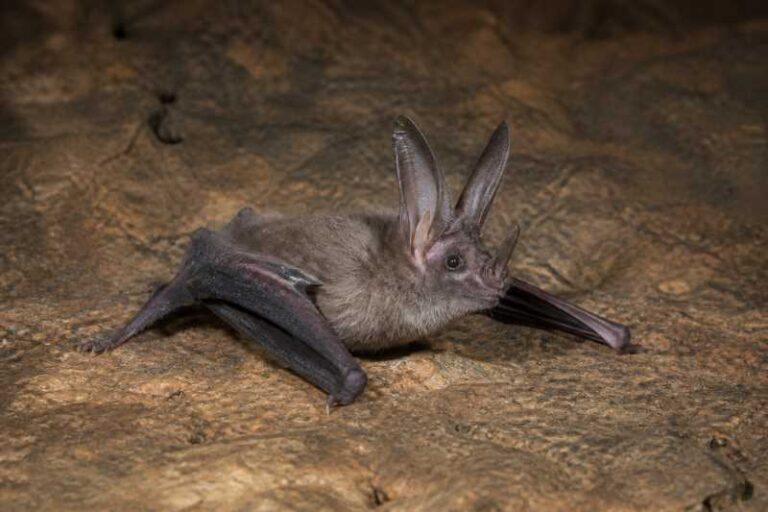
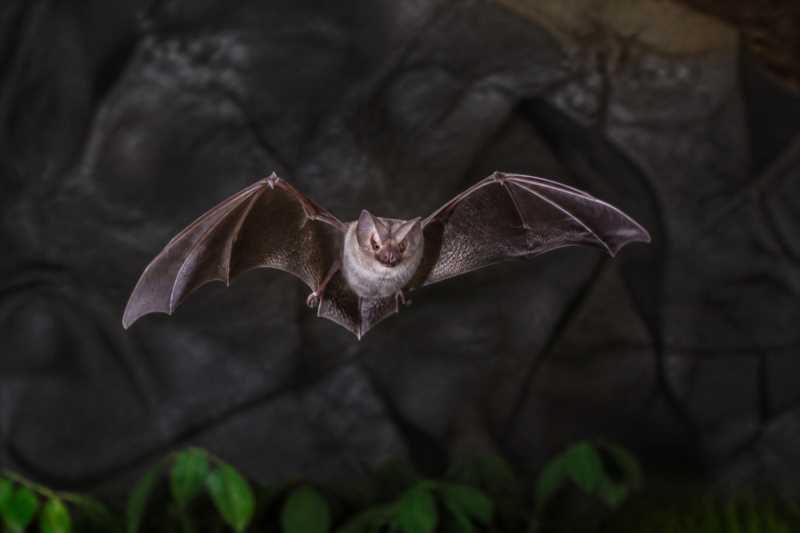
The Namuli Horseshoe Bat is a medium-sized bat characterized by its distinctive nose-leaf, which is crucial for echolocation. The nose-leaf is complex and horseshoe-shaped, aiding in the emission of sound waves used to navigate and locate prey. This species typically has a wingspan ranging from 30 to 40 centimeters and a body length of approximately 5 to 7 centimeters.
The fur of the Namuli Horseshoe Bat is soft and dense, with a coloration that tends to blend well with its environment. It usually exhibits a grayish-brown hue on its dorsal side and a slightly lighter shade on its ventral side. The ears are large and rounded, complementing the bat’s echolocation abilities by efficiently capturing returning sound waves. These physical adaptations highlight the evolutionary ingenuity of bats in occupying ecological niches.
Range and Habitat
The Namuli Horseshoe Bat is endemic to the high-altitude regions of Mount Namuli in Mozambique. This region is part of the Eastern Afromontane biodiversity hotspot, known for its high levels of endemism and ecological significance. The bat’s range is restricted primarily to montane forests, where it roosts in caves, rock crevices, and occasionally in dense vegetation.
The habitat of the Namuli Horseshoe Bat is characterized by cool temperatures, ample humidity, and rich biodiversity. These forests not only provide shelter but also a rich array of insect prey. The conservation of these habitats is critical, as they are increasingly threatened by human activities such as logging, agriculture, and infrastructure development.
Behavior and Diet
The Namuli Horseshoe Bat exhibits nocturnal behavior, being most active during the night when it forages for food. Like other horseshoe bats, it relies heavily on echolocation to hunt and navigate in the dark. Its diet primarily consists of insects, with a preference for moths and beetles, which it catches mid-flight.
During the day, this bat species roosts in colonies that can range from a few individuals to several dozen, depending on the availability of suitable roosting sites. Social behaviors such as grooming and vocal communication are common within these colonies, indicating a structured social system.
Identification Tips
Identifying the Namuli Horseshoe Bat in the field can be challenging due to its elusive nature and the similarity to other horseshoe bat species. Here are some key identification tips:
- Nose-leaf Structure: The distinctive horseshoe-shaped nose-leaf is a primary identifier.
- Size and Coloration: Medium size with grayish-brown fur can help distinguish it from other local bat species.
- Echolocation Calls: Experienced bat researchers use bat detectors to identify species-specific echolocation calls.
- Roosting Habits: Look for colonies in caves or dense forest areas during the day.
Conservation Status
The Namuli Horseshoe Bat is currently listed as Vulnerable on the IUCN Red List. The primary threats to its survival include habitat destruction due to logging and agriculture, as well as climate change, which affects its montane habitat.
Conservation efforts are focused on protecting the remaining forested areas of Mount Namuli and promoting sustainable land-use practices. Environmental organizations and local communities are working together to create protected areas and raise awareness about the importance of bats to ecosystem health.
Frequently Asked Questions
What is the primary diet of the Namuli Horseshoe Bat?
The Namuli Horseshoe Bat primarily feeds on insects, preferring moths and beetles that it hunts using echolocation.
Where can the Namuli Horseshoe Bat be found?
This species is found exclusively in the high-altitude montane forests of Mount Namuli in Mozambique.
How does the Namuli Horseshoe Bat navigate in the dark?
The bat uses echolocation, emitting sound waves from its nose-leaf and listening for the echoes that bounce back from objects.
Why is the Namuli Horseshoe Bat considered vulnerable?
It is vulnerable due to habitat loss from human activities such as logging and agriculture, as well as climate change effects.
What conservation measures are in place for the Namuli Horseshoe Bat?
Conservation measures include habitat protection, creation of protected areas, and community education programs to promote sustainable practices.
Related posts