Lander’s Horseshoe Bat (Rhinolophus landeri)
Introduction
Lander’s Horseshoe Bat, scientifically known as Rhinolophus landeri, is a fascinating species of bat belonging to the family Rhinolophidae. This species, like other horseshoe bats, is renowned for its distinctive nose-leaf structure that aids in echolocation. Found primarily in parts of Africa, this bat plays a crucial role in the ecosystems it inhabits by contributing to insect population control. Despite its ecological importance, limited awareness and research about this species pose challenges for its conservation.
Physical Description
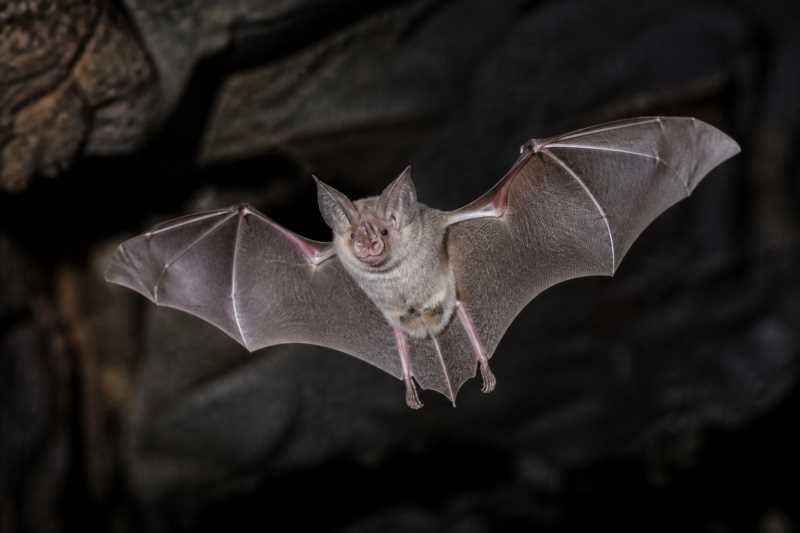
The Lander’s Horseshoe Bat is a small to medium-sized bat characterized by a unique horseshoe-shaped nose-leaf, which is pivotal for its echolocation capabilities. The nose-leaf structure is intricate, with a central horseshoe shape and additional leaflets that extend from the nostrils. This feature is not merely aesthetic but serves to focus sound waves that the bat uses for navigation and foraging.
The bat’s fur is typically a shade of brown, though variations exist depending on the specific environment it inhabits. Its ears are large, aiding in its acute sense of hearing, while the wings are elongated and membranous, adapted for efficient flight in dense habitats. The body size of Lander’s Horseshoe Bat ranges from 50 to 65 mm in length, with a wingspan that can extend up to 300 mm.
Range and Habitat
Lander’s Horseshoe Bat is predominantly found across sub-Saharan Africa. Its range includes countries such as Nigeria, Cameroon, and the Democratic Republic of Congo, with some populations extending into parts of East Africa. The bat prefers habitats that provide ample foraging opportunities and roosting sites, such as dense forests, savannas, and areas with abundant caves or abandoned structures.
This species is adaptable, often residing in both lowland and montane regions. Roosting typically occurs in secluded areas such as caves, old mines, and hollow trees, where they can rest undisturbed during the day. The choice of habitat is crucial for their survival, as it provides protection from predators and harsh weather conditions.
Behavior and Diet
Lander’s Horseshoe Bat is primarily nocturnal, emerging at dusk to forage for food. Its diet mainly consists of insects, including moths, beetles, and other flying bugs, which it captures mid-flight using its sophisticated echolocation abilities. The bat’s echolocation system is finely tuned, allowing it to detect and intercept prey with remarkable precision.
Socially, these bats are known to roost in small colonies, although solitary roosting is not uncommon. During the breeding season, males engage in vocalizations and displays to attract females. The reproductive cycle is typically synchronized with the availability of food resources, ensuring that the young are born during periods of abundance.
Identification Tips (Field Recognition Cues)
Identifying Lander’s Horseshoe Bat in the field requires attention to several key features:
- Nose-Leaf Structure: Look for the characteristic horseshoe-shaped nose-leaf, which is prominent and distinctive among bat species.
- Flight Pattern: Observe the bat’s flight, which is typically swift and agile, suited for navigating through dense foliage.
- Size and Coloration: Note the bat’s medium size and brownish fur, although coloration may vary slightly.
- Echolocation Calls: If equipped with a bat detector, listen for high-frequency echolocation calls that are indicative of this species.
Conservation Status (With Threats and Protections)
Currently, Lander’s Horseshoe Bat is classified as Least Concern by the IUCN Red List. However, this status does not imply that the species is free from threats. Habitat destruction due to deforestation, agricultural expansion, and urbanization poses significant risks to their populations. Additionally, the use of pesticides can reduce prey availability, further impacting their survival.
Conservation efforts for Lander’s Horseshoe Bat involve protecting their natural habitats and promoting sustainable land-use practices. Establishing protected areas and enforcing regulations that limit habitat destruction are crucial steps. Moreover, raising awareness about the ecological role of bats can help mitigate negative perceptions and promote coexistence.
Frequently Asked Questions
What is the primary diet of Lander’s Horseshoe Bat?
Lander’s Horseshoe Bat primarily feeds on insects, with a preference for moths, beetles, and other flying insects. It uses echolocation to locate and capture its prey mid-flight.
Where can Lander’s Horseshoe Bat be found?
This species is predominantly found in sub-Saharan Africa, including countries like Nigeria, Cameroon, and the Democratic Republic of Congo, inhabiting dense forests and savannas.
How can I identify Lander’s Horseshoe Bat in the wild?
Identify this bat by its distinctive horseshoe-shaped nose-leaf, medium size, brown fur, and agile flight pattern. Using a bat detector can also help recognize its high-frequency echolocation calls.
What threats does Lander’s Horseshoe Bat face?
The primary threats include habitat destruction from deforestation and urbanization, as well as reduced prey availability due to pesticide use.
What conservation measures are in place for Lander’s Horseshoe Bat?
Conservation measures focus on habitat protection, sustainable land-use practices, and raising awareness about the ecological importance of bats to ensure their continued survival.
Related posts