Introduction
Miller’s Long-tongued Bat, scientifically known as Glossophaga longirostris, is a fascinating mammal species renowned for its elongated tongue and unique adaptations that enable it to thrive in its natural habitat. Belonging to the family Phyllostomidae, this bat species is a crucial pollinator in its ecosystem, contributing significantly to the propagation of various plant species. In this comprehensive guide, we will delve into the intriguing world of Miller’s Long-tongued Bat, exploring its physical characteristics, natural habitat, behavior, diet, and conservation status.
Physical Description
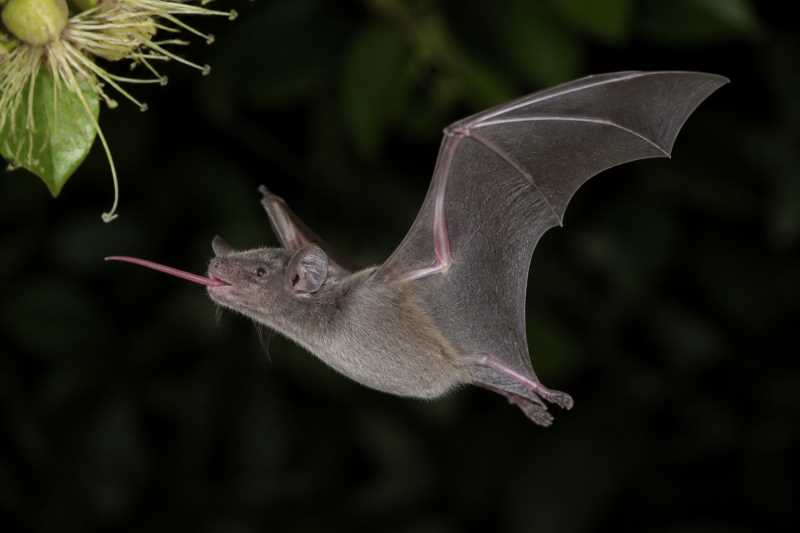
Miller’s Long-tongued Bat is characterized by its distinctive long snout and tongue, which are perfectly adapted for nectar feeding. The species exhibits a medium-sized body, with an average length ranging from 6 to 8 centimeters. Its fur is typically brown or gray, providing effective camouflage in its natural habitat. The wings of Glossophaga longirostris are relatively narrow, allowing for agile and swift flight.
A notable feature of this species is its elongated tongue, which can extend up to one and a half times the length of its head. This adaptation is essential for reaching deep into flowers to access nectar, making Miller’s Long-tongued Bat an important pollinator. Additionally, the bat possesses a well-developed nose leaf, which aids in echolocation, a critical navigation tool in the dark environments it inhabits.
Range and Habitat
Miller’s Long-tongued Bat is primarily found in the tropical and subtropical regions of Central and South America. Its range extends from southern Mexico through Central America, reaching into northern parts of South America, including countries such as Colombia and Venezuela.
The species thrives in a variety of habitats, including tropical rainforests, dry forests, and open areas with abundant flowering plants. It is often found in lowland regions but can also inhabit elevations up to 1,500 meters. Roosting sites include caves, hollow trees, and man-made structures, where they form colonies ranging from a few individuals to several hundred bats.
Behavior and Diet
Miller’s Long-tongued Bat is primarily nocturnal, emerging at dusk to forage for food. Its diet is predominantly composed of nectar, which it extracts using its specialized tongue. This nectarivorous diet makes the bat a crucial pollinator for many plant species, including those that bloom at night.
In addition to nectar, the bat occasionally consumes pollen and small insects, which provide supplementary protein. Glossophaga longirostris plays a significant role in maintaining the health of its ecosystem by facilitating the cross-pollination of plants, leading to increased genetic diversity and plant reproduction.
The social behavior of Miller’s Long-tongued Bat is characterized by its tendency to form small to medium-sized colonies. These social groups engage in communal roosting, which offers protection from predators and environmental factors. Communication among individuals occurs through vocalizations and scent marking, which help establish social hierarchies and coordinate group activities.
Identification Tips (Field Recognition Cues)
When attempting to identify Miller’s Long-tongued Bat in the field, there are several key characteristics to consider:
- Long Snout and Tongue: Look for a bat with an elongated snout and a tongue that can extend significantly beyond its mouth.
- Nose Leaf: A well-defined nose leaf is present on the bat’s face, aiding in echolocation.
- Fur Color: The bat’s fur is typically brown or gray, providing effective camouflage.
- Flight Pattern: This species exhibits agile and swift flight, often hovering near flowers.
- Roosting Sites: Observe potential roosting sites such as caves, hollow trees, or man-made structures where colonies may form.
Conservation Status (with Threats and Protections)
The conservation status of Miller’s Long-tongued Bat is currently listed as Least Concern by the International Union for Conservation of Nature (IUCN). However, like many bat species, it faces several threats that could impact its population in the future.
Threats:
- Habitat Loss: Deforestation and land conversion for agriculture and urban development pose significant threats to the bat’s natural habitat.
- Pesticide Use: The use of pesticides can reduce the availability of insects and contaminate nectar sources, affecting the bat’s diet.
- Climate Change: Alterations in climate patterns can disrupt the availability of flowering plants, impacting food resources.
Protections:
- Protected Areas: Many regions within the bat’s range are designated as protected areas, helping to preserve critical habitats.
- Research and Monitoring: Ongoing research and monitoring efforts aim to better understand the species’ ecology and inform conservation strategies.
- Public Awareness: Raising awareness about the ecological importance of bats can foster support for conservation initiatives.
Frequently Asked Questions
What is the primary diet of Miller’s Long-tongued Bat?
Miller’s Long-tongued Bat primarily feeds on nectar, using its elongated tongue to access the nectar of various flowering plants. It may also consume pollen and small insects for additional nutrition.
How does Miller’s Long-tongued Bat contribute to its ecosystem?
As a nectar-feeder, the bat plays a crucial role in pollinating plants, facilitating cross-pollination, and promoting plant diversity and reproduction. This, in turn, supports a healthy ecosystem.
Where can Miller’s Long-tongued Bat be found?
The bat is found in tropical and subtropical regions of Central and South America, ranging from southern Mexico to northern South America, including Colombia and Venezuela.
What are the main threats to Miller’s Long-tongued Bat?
The primary threats include habitat loss due to deforestation, pesticide use, and climate change, which can alter the availability of food resources and suitable habitats.
How can we help in the conservation of Miller’s Long-tongued Bat?
Supporting conservation efforts, protecting natural habitats, reducing pesticide use, and promoting public awareness about the ecological importance of bats can aid in the conservation of this species.
Related posts