Kivu African Climbing Mouse (Dendromus nyasae)
Introduction
The Kivu African Climbing Mouse, scientifically known as Dendromus nyasae, is a fascinating small mammal that piques the interest of many wildlife enthusiasts and researchers alike. Found in the lush terrains of Central and East Africa, this species is renowned for its arboreal lifestyle, unique adaptations, and intriguing behaviors. Despite its small size, the Kivu African Climbing Mouse plays a significant role in its ecosystem, contributing to seed dispersal and serving as prey for various predators. In this article, we delve into the intricate details of the Kivu African Climbing Mouse, including its physical description, habitat preferences, behavioral traits, and conservation status.
Physical Description
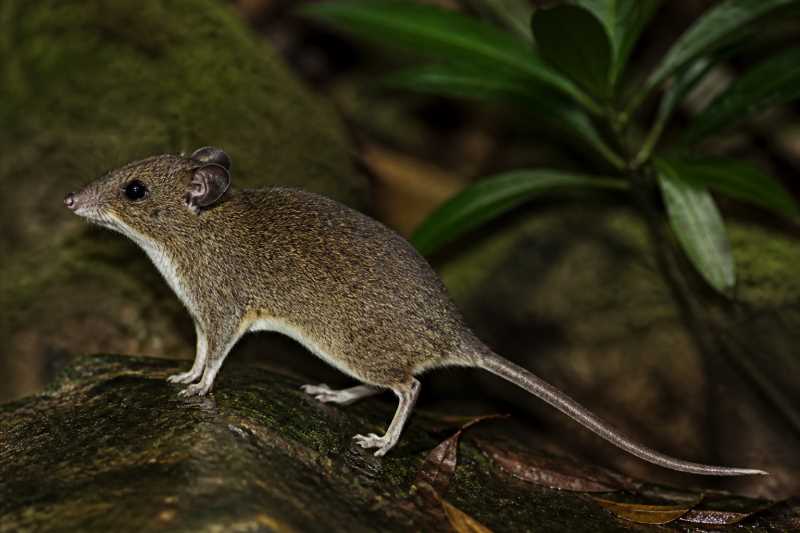
The Kivu African Climbing Mouse is a diminutive rodent with a distinctive appearance. It typically measures about 7 to 10 centimeters in body length, excluding the tail, which can add another 6 to 8 centimeters. Its weight ranges from 10 to 20 grams, making it a lightweight yet agile creature. The mouse’s fur is soft and dense, providing insulation against the cooler temperatures of its high-altitude habitats.
The coloration of the Kivu African Climbing Mouse is predominantly a mix of brown and gray, offering an effective camouflage against the tree bark and foliage. The underbelly is lighter, often a pale gray or white. One of the most striking features of this species is its elongated toes and prehensile tail, which aid in climbing and maintaining balance as it navigates its arboreal environment.
Range and Habitat
The Kivu African Climbing Mouse is primarily found in the mountainous regions of Central and East Africa, notably in countries such as Rwanda, Uganda, and the Democratic Republic of the Congo. These regions are characterized by their rich biodiversity and varied topography, providing an ideal habitat for the species.
This mouse species thrives in montane forests, where it inhabits both primary and secondary growth areas. It is often found at elevations ranging from 1,500 to 3,000 meters above sea level. The dense canopy and abundant vegetation offer ample food resources and protection from predators. Additionally, the Kivu African Climbing Mouse is known to inhabit bamboo thickets and areas with a high density of shrubs and vines, which provide both food and shelter.
Behavior and Diet
The Kivu African Climbing Mouse exhibits several intriguing behavioral traits. It is primarily nocturnal, spending daylight hours concealed in nests made of leaves and grasses. These nests are typically located in tree hollows or dense foliage, providing safety from predators.
As an agile climber, this mouse uses its long toes and prehensile tail to navigate through trees and shrubs with ease. Its diet is omnivorous, consisting mainly of seeds, fruits, insects, and small invertebrates. The mouse’s diet varies seasonally, depending on the availability of food resources in its habitat.
Socially, the Kivu African Climbing Mouse is generally solitary, except during the breeding season. Little is known about its reproductive habits, but it is speculated that they breed multiple times a year, producing litters of two to four young.
Identification Tips (Field Recognition Cues)
Identifying the Kivu African Climbing Mouse in the wild can be challenging due to its elusive nature and nocturnal habits. However, several field recognition cues can aid in its identification:
- Size and Shape: Look for a small, slender-bodied rodent with a relatively long tail.
- Fur Color: Note the brown and gray coloration with a lighter underbelly, which provides camouflage.
- Behavior: Observe for nocturnal activity and arboreal movement patterns.
- Habitat: Search in montane forests and areas with dense vegetation.
- Nesting Sites: Check for leaf and grass nests in tree hollows or dense foliage.
Conservation Status (With Threats and Protections)
The conservation status of the Kivu African Climbing Mouse is currently listed as "Least Concern" by the International Union for Conservation of Nature (IUCN). Despite this classification, the species faces several threats that could impact its population in the future.
One of the primary threats to the Kivu African Climbing Mouse is habitat loss due to deforestation and agricultural expansion. As human populations grow, the demand for land for farming and settlement increases, leading to the destruction of montane forests. Additionally, climate change poses a potential threat by altering the habitat conditions necessary for the species’ survival.
Conservation efforts are focused on preserving the natural habitats of the Kivu African Climbing Mouse. Protected areas, such as national parks and wildlife reserves, play a crucial role in safeguarding these environments. Furthermore, research initiatives aimed at understanding the species’ ecology and behavior are essential for developing effective conservation strategies.
Frequently Asked Questions
1. What is the primary habitat of the Kivu African Climbing Mouse?
The Kivu African Climbing Mouse primarily inhabits montane forests in Central and East Africa, particularly at elevations between 1,500 and 3,000 meters. It thrives in areas with dense vegetation, such as bamboo thickets and shrublands.
2. How does the Kivu African Climbing Mouse contribute to its ecosystem?
The Kivu African Climbing Mouse plays a vital role in its ecosystem by aiding in seed dispersal and serving as prey for various predators. Its omnivorous diet helps control insect populations and contributes to the ecological balance of its habitat.
3. What are the main threats to the Kivu African Climbing Mouse?
The primary threats to the Kivu African Climbing Mouse include habitat loss due to deforestation and agricultural expansion, as well as climate change, which can alter the environmental conditions necessary for its survival.
4. How can one identify the Kivu African Climbing Mouse in the wild?
Identifying the Kivu African Climbing Mouse can be done by observing its small size, brown and gray fur with a lighter underbelly, nocturnal and arboreal behavior, and presence in montane forests with dense vegetation.
5. What conservation measures are in place for the Kivu African Climbing Mouse?
Conservation measures for the Kivu African Climbing Mouse include the protection of its natural habitat through the establishment of national parks and wildlife reserves, as well as research initiatives focused on understanding the species’ ecology and behavior.
Related posts