Introduction
The Araucaria Forest Tree Mouse, scientifically known as Juliomys ximenezi, is a small rodent species that has captured the interest of biologists and conservationists alike. This elusive mammal is native to the unique ecosystems of South America, particularly the Araucaria forest regions. As a member of the Cricetidae family, Juliomys ximenezi is closely related to other small rodents but stands out due to its specialized habitat requirements and distinct physical characteristics. This article delves into the various aspects of the Araucaria Forest Tree Mouse, from its physical description to its role in the ecosystem, conservation challenges, and the ongoing efforts to protect this fascinating species.
Physical Description
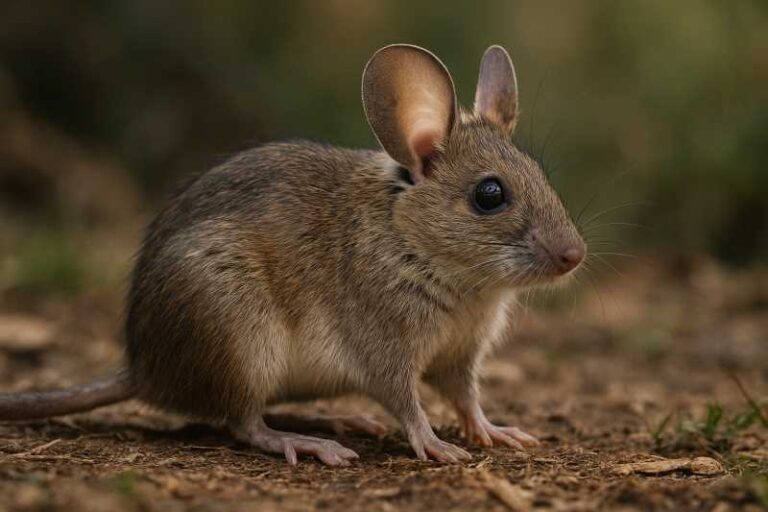
The Araucaria Forest Tree Mouse is a small mammal, typically measuring around 8 to 10 centimeters in body length, with a tail that adds another 10 to 12 centimeters. This tail length is particularly notable and serves as a critical adaptation for its arboreal lifestyle. The mouse’s fur is soft and dense, providing insulation against the cool temperatures of the highland forests. Its dorsal fur is generally a reddish-brown color, which blends seamlessly with the forest floor and tree bark, offering camouflage from predators.
The ventral side of Juliomys ximenezi is lighter, often a pale gray or white, which may assist in thermoregulation. Its ears are relatively large and rounded, enhancing its auditory capabilities—an essential trait for detecting predators and communicating with other mice. The eyes are large and black, giving it excellent night vision, a vital adaptation for its nocturnal activities.
Range and Habitat
Juliomys ximenezi is endemic to the Araucaria moist forests, a specific type of Atlantic Forest biome found primarily in southern Brazil and parts of Argentina. These forests are characterized by the presence of the Araucaria angustifolia, a coniferous tree that forms dense canopies and provides an ideal habitat for arboreal species like the Araucaria Forest Tree Mouse.
These mice are typically found in high-altitude regions, ranging from 800 to 1,200 meters above sea level. The unique climatic conditions of these forests—a combination of high humidity, moderate temperatures, and heavy rainfall—create a lush environment that supports a diverse array of flora and fauna. Juliomys ximenezi thrives in this ecosystem, relying on the dense foliage for shelter and the abundance of food resources.
Behavior and Diet
The Araucaria Forest Tree Mouse is primarily nocturnal, spending most of its active hours during the night when it forages for food. Its diet consists mainly of seeds, fruits, and insects, which it skillfully gathers using its agile limbs and sharp claws. The species plays a crucial role in the ecosystem as both a seed disperser and a prey item for larger predators, helping to maintain the ecological balance within the forest.
Socially, Juliomys ximenezi is known for its solitary behavior, with individuals typically maintaining exclusive territories. However, during the breeding season, which occurs primarily in the spring and early summer, these mice become more social as they search for mates. Females are known to produce several litters per year, each consisting of 2 to 4 offspring, which are raised in nests constructed from leaves and twigs.
Identification Tips (field recognition cues)
Identifying Juliomys ximenezi in the field requires keen observation and an understanding of its distinct characteristics:
- Size and Tail Length: The mouse’s small size, coupled with its disproportionately long tail, is a key identifying feature.
- Fur Coloration: Look for the reddish-brown dorsal fur and lighter ventral side.
- Nocturnal Activity: Spotting them is more likely during nighttime, using red-filtered lights to minimize disturbance.
- Habitat: Focus on searching in dense Araucaria forests at higher altitudes.
- Vocalizations: Listen for their high-pitched calls, especially during the breeding season.
Conservation Status (with threats and protections)
The Araucaria Forest Tree Mouse is currently classified as "Vulnerable" on the IUCN Red List. The primary threats to its survival include habitat loss and fragmentation due to deforestation, agriculture, and urbanization. The conversion of forest land into agricultural fields and the logging of Araucaria trees have significantly reduced the available habitat for this species, pushing it closer to the brink of extinction.
Conservation efforts are underway to protect the remaining Araucaria forests and their unique biodiversity. These efforts include legal protections for critical habitats, reforestation projects, and the establishment of protected areas. Environmental organizations are also working to raise awareness about the importance of conserving the Atlantic Forest and its endemic species, including Juliomys ximenezi.
Frequently Asked Questions
What are the primary threats to the Araucaria Forest Tree Mouse?
The primary threats include habitat loss due to deforestation for agriculture and urban development, as well as habitat fragmentation that isolates populations.
How does the Araucaria Forest Tree Mouse contribute to its ecosystem?
This species plays a vital role as a seed disperser and a prey item, helping to maintain the ecological balance within the Araucaria forests.
Are there any conservation programs for Juliomys ximenezi?
Yes, conservation programs focus on habitat protection, reforestation, and raising public awareness about the importance of preserving the Araucaria forests.
How can I identify an Araucaria Forest Tree Mouse in the wild?
Look for small rodents with reddish-brown fur and long tails in high-altitude Araucaria forests, particularly during nighttime.
What is the breeding season of the Araucaria Forest Tree Mouse?
The breeding season occurs primarily in spring and early summer, with females producing several litters per year.
Related posts