Introduction
The Carmen Mountain shrew, scientifically known as Sorex milleri, is a fascinating small mammal species belonging to the family Soricidae. This elusive creature is named after Mount Carmen in the Sierra Carmen mountain range, where it was first discovered. Shrews, in general, are often overlooked due to their tiny size and secretive nature, but they play a crucial role in their ecosystems as insectivores. This article delves into the intriguing world of the Carmen Mountain shrew, exploring its physical characteristics, habitat, behavior, conservation status, and more.
Physical Description
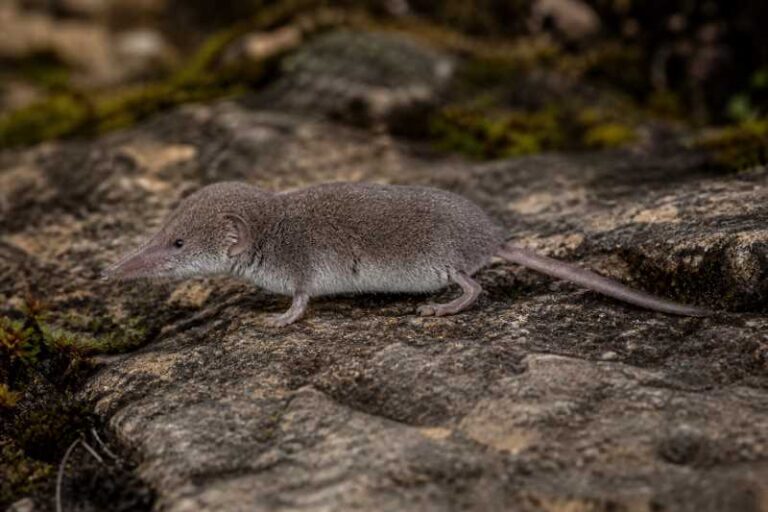
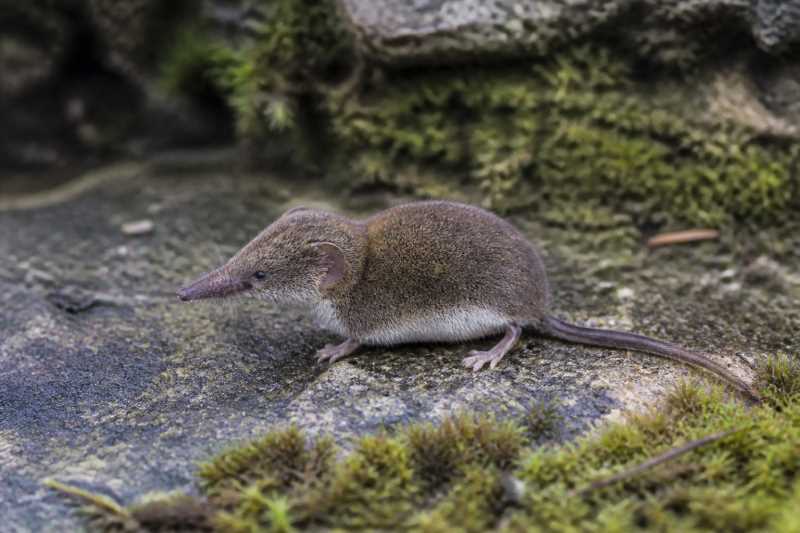
The Carmen Mountain shrew is one of the smallest members of the Soricidae family. It typically measures between 8 to 10 centimeters in length, including a tail that is about half of its body length. Despite its tiny stature, this shrew is a robust and active predator of invertebrates.
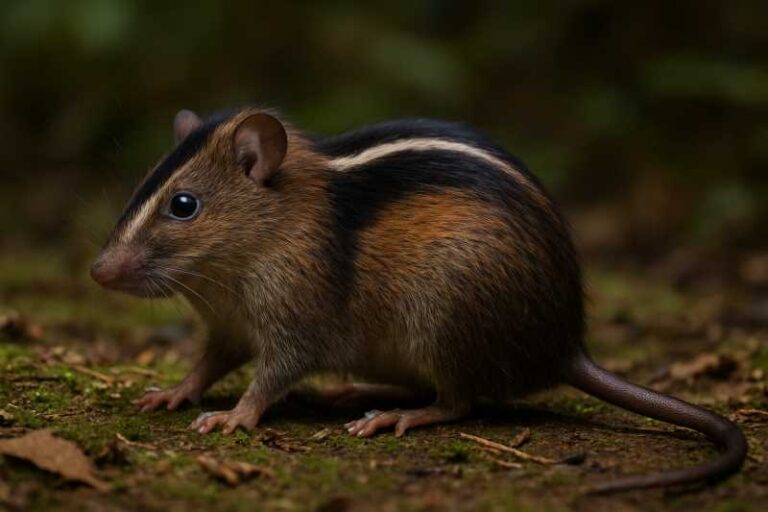
Its fur is dense and soft, primarily dark brown or grayish-brown, which helps it blend into the forest floor and rocky terrains of its habitat. The underbelly is usually lighter, ranging from pale gray to whitish hues. The shrew’s elongated snout is a distinctive feature, equipped with sensitive whiskers that aid in navigating its environment and locating prey. Its small eyes and ears are adaptations to its subterranean and forest-floor lifestyle, minimizing the risk of injury as it moves through dense foliage and narrow burrows.
The shrew’s limbs are short but strong, with sharp claws that are perfect for digging and climbing. Its dental formula is specialized, with sharp, pointed teeth adapted for an insectivorous diet.
Range and Habitat
The Carmen Mountain shrew is endemic to North America, with its primary range limited to the Sierra del Carmen in northeastern Mexico. It is also found in parts of the Big Bend region in Texas, USA. This restricted range makes it particularly vulnerable to habitat disturbance and environmental changes.
The preferred habitat of the Carmen Mountain shrew includes montane and subalpine forests, characterized by a mix of coniferous and deciduous trees. These areas provide ample leaf litter and ground cover, which are essential for the shrew’s foraging activities and protection from predators. The shrew is also known to inhabit rocky slopes and areas with abundant underbrush, which offer additional hiding spots and foraging opportunities.
Behavior and Diet
Carmen Mountain shrews are primarily nocturnal, though they can be active during the day in cooler weather. They are solitary creatures, with each individual maintaining a territory that it defends aggressively from intruders.
The diet of the Carmen Mountain shrew consists mainly of insects and other small invertebrates, such as spiders, beetles, and worms. Occasionally, they may consume small vertebrates or carrion if available. Their high metabolism requires them to eat frequently, often consuming up to twice their body weight in food each day.
These shrews are adept hunters, using their keen sense of smell and touch to locate prey. They are also known to cache food, a behavior that helps them survive periods of scarcity.
Identification Tips (Field Recognition Cues)
Identifying the Carmen Mountain shrew in the field can be challenging due to its small size and secretive behavior. However, several characteristics can aid in its identification:
- Size and Shape: Look for a small mammal with a body length of 8 to 10 centimeters, including a proportionally long tail.
- Fur Color: Note the dark brown or grayish-brown fur, with a lighter underbelly.
- Snout: The elongated, pointed snout is a key feature, along with prominent whiskers.
- Behavior: Observe for rapid, darting movements in leaf litter or underbrush.
- Habitat: Check areas with dense ground cover, rocky slopes, and forest floors.
Conservation Status (with Threats and Protections)
The Carmen Mountain shrew is currently listed as a species of "Least Concern" by the International Union for Conservation of Nature (IUCN). However, its limited range makes it susceptible to habitat loss and environmental changes.
Threats:
- Habitat Destruction: Deforestation and land conversion for agriculture or development are significant threats.
- Climate Change: Alterations in temperature and precipitation patterns could affect the shrew’s habitat and food resources.
- Predation: Natural predators include birds of prey, snakes, and small carnivorous mammals.
Protections:
- Protected Areas: Parts of the shrew’s range fall within protected national parks and reserves, which help mitigate habitat loss.
- Conservation Programs: Ongoing research and monitoring efforts aim to better understand the species’ ecology and inform conservation strategies.
Frequently Asked Questions
1. What does the Carmen Mountain shrew eat? The Carmen Mountain shrew primarily feeds on insects and other small invertebrates. Its diet includes spiders, beetles, and worms, and it may occasionally consume small vertebrates or carrion.
2. Where can I find the Carmen Mountain shrew? This shrew is found in the Sierra del Carmen in northeastern Mexico and parts of the Big Bend region in Texas, USA. It inhabits montane and subalpine forests, rocky slopes, and areas with dense underbrush.
3. How does climate change affect the Carmen Mountain shrew? Climate change can alter the shrew’s habitat and food availability by affecting temperature and precipitation patterns, potentially leading to habitat loss and changes in prey abundance.
4. What are the physical characteristics of the Carmen Mountain shrew? The shrew is small, with a body length of 8 to 10 centimeters, dark brown or grayish-brown fur, a lighter underbelly, an elongated snout, and prominent whiskers.
5. How can I help conserve the Carmen Mountain shrew? Supporting conservation efforts, protecting natural habitats, and raising awareness about the species are ways to contribute to its conservation.
Related posts