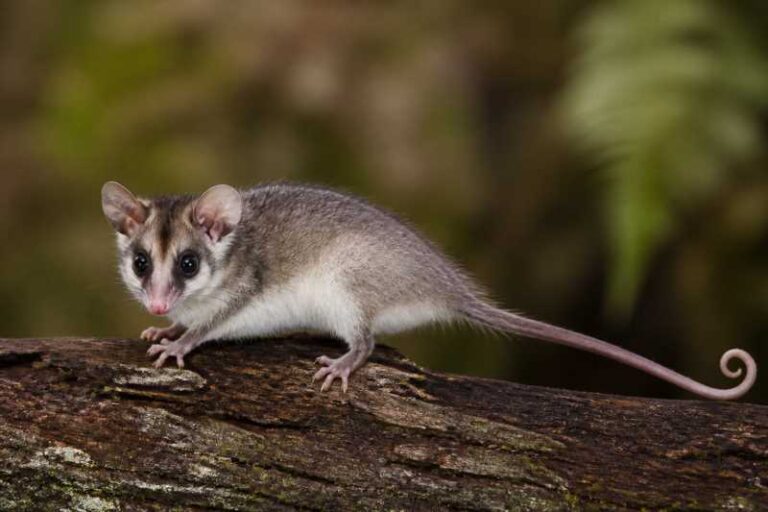
Mexican Large-toothed Shrew (Sorex macrodon)
Introduction
The Mexican Large-toothed Shrew, scientifically known as Sorex macrodon, is a fascinating small mammal species that inhabits the diverse landscapes of Mexico. This elusive creature, belonging to the Soricidae family, plays a vital role in maintaining the ecological balance of its habitat. Despite its small size, the Mexican Large-toothed Shrew is a resilient species that has adapted to various environments, making it an intriguing subject for researchers and wildlife enthusiasts alike.
Physical Description
The Mexican Large-toothed Shrew is characterized by its relatively small size and distinctive dental features, which distinguish it from other shrew species. On average, this shrew measures between 8 to 10 centimeters in length, with a tail that can add another 3 to 5 centimeters. It typically weighs around 5 to 7 grams.
The fur of the Mexican Large-toothed Shrew is soft and dense, usually displaying a dark gray to brownish coloration that provides excellent camouflage against the forest floor. Its underbelly tends to be lighter, often a pale gray or whitish hue. As its name suggests, this shrew possesses notably large teeth compared to other members of the Sorex genus, which are adapted for its insectivorous diet.
Range and Habitat
The Mexican Large-toothed Shrew is endemic to Mexico, primarily found in the high-altitude regions of the Sierra Madre Oriental and the Sierra Madre Occidental mountain ranges. Its preferred habitats include moist montane forests, cloud forests, and temperate pine-oak woodlands.
This shrew thrives in environments with dense underbrush and ample leaf litter, which provide both food resources and protection from predators. The availability of such habitats is crucial for its survival, as it relies on the microhabitats created by fallen logs, rocks, and thick vegetation to forage and nest.
Behavior and Diet
The Mexican Large-toothed Shrew is a solitary and nocturnal animal, primarily active during the night when it ventures out in search of food. Its diet predominantly consists of insects and other small invertebrates, including beetles, worms, and spiders. The shrew’s keen sense of smell and hearing aid in locating prey in the dark.
Due to its high metabolic rate, the shrew must consume approximately its own body weight in food each day to sustain its energy levels. This relentless need for sustenance makes it a vital component in controlling insect populations within its ecosystem.
Identification Tips
Identifying the Mexican Large-toothed Shrew in the wild can be challenging due to its small size and secretive nature. However, there are several field recognition cues that can assist in its identification:
- Body Size and Shape: Look for a small, agile mammal with a pointed snout and a slender, elongated body.
- Fur Coloration: Note the dark gray to brownish fur with a lighter underbelly.
- Teeth: The large teeth are distinctive, although observing them may require a closer inspection or examination of a specimen.
- Habitat: Focus on high-altitude, moist forested areas with dense underbrush, as these are the preferred habitats of this species.
Conservation Status
The conservation status of the Mexican Large-toothed Shrew is currently listed as "Least Concern" by the International Union for Conservation of Nature (IUCN). However, this does not imply that the species is free from threats.
Threats
The primary threats to the Mexican Large-toothed Shrew include habitat loss and fragmentation due to deforestation, agricultural expansion, and urbanization. Climate change also poses a significant risk, altering the delicate balance of its montane forest habitats.
Protections
Conservation efforts are essential to ensure the continued survival of this species. Protected areas and national parks within its range play a crucial role in preserving its natural habitat. Additionally, ongoing research and monitoring efforts help inform conservation strategies and raise awareness about the importance of this lesser-known species.
Frequently Asked Questions
1. What does the Mexican Large-toothed Shrew eat?
The Mexican Large-toothed Shrew primarily feeds on insects and small invertebrates such as beetles, worms, and spiders. Its insectivorous diet helps control insect populations in its habitat.
2. Where can the Mexican Large-toothed Shrew be found?
This shrew is endemic to Mexico, mainly inhabiting the high-altitude regions of the Sierra Madre Oriental and Sierra Madre Occidental mountain ranges. It prefers moist montane forests and cloud forests.
3. How can you identify a Mexican Large-toothed Shrew in the wild?
Look for a small mammal with a pointed snout, dark gray to brownish fur, and a lighter underbelly. It is typically found in high-altitude forested areas with dense underbrush.
4. What is the conservation status of the Mexican Large-toothed Shrew?
The Mexican Large-toothed Shrew is currently listed as "Least Concern" by the IUCN, but it faces threats from habitat loss and climate change, necessitating ongoing conservation efforts.
5. Are Mexican Large-toothed Shrews social animals?
No, Mexican Large-toothed Shrews are solitary creatures. They are primarily nocturnal and spend most of their time alone, particularly when foraging for food.
Related posts