Introduction
The Jungle Shrew, scientifically known as Suncus zeylanicus, is an intriguing mammalian species that belongs to the family Soricidae. This diminutive creature, often overshadowed by its more prominent wildlife neighbors, plays a vital ecological role in its habitat. Found predominantly in South Asia, the Jungle Shrew is an exemplary subject for those interested in the diversity and adaptability of small mammals. This article delves deep into the various facets of the Jungle Shrew, covering its physical description, habitat, behavior, and more.
Physical Description
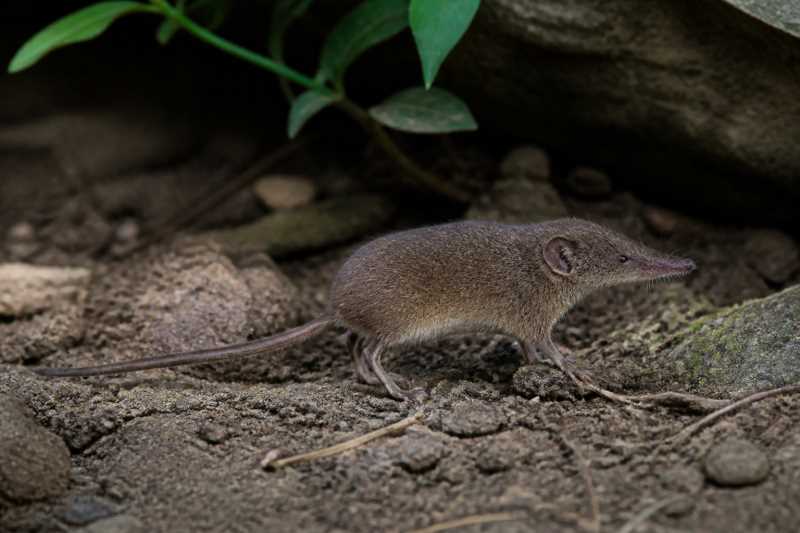
The Jungle Shrew is a small mammal, typically measuring between 10 to 15 centimeters in length, including its tail. It is characterized by a slender, elongated body and a pointed snout, which are common traits of the shrew family. The fur of the Jungle Shrew is generally dense and soft, ranging in color from greyish-brown to a slightly lighter underbelly. This coloration provides a natural camouflage against the forest floor, aiding in its survival.
One of the notable features of the Jungle Shrew is its tiny eyes and ears, which are often concealed by the fur. Despite their small size, these sensory organs are highly efficient, allowing the shrew to navigate its environment and detect prey. The shrew’s teeth are sharp and well-suited for its insectivorous diet, making it a formidable predator of small invertebrates.
Range and Habitat
The Jungle Shrew is predominantly found in the dense forests of South Asia, particularly in countries such as India, Sri Lanka, and Nepal. These regions provide the ideal habitat for the Jungle Shrew, with abundant leaf litter and undergrowth offering both food and protection from predators.
The shrew prefers moist environments, often residing near streams or within damp forest floors. This preference for moisture is not only due to the availability of prey but also because it helps maintain the shrew’s body temperature and hydration levels. Despite its preference for dense forests, the Jungle Shrew is also known to adapt to agricultural lands and plantations, provided there is sufficient cover and food supply.
Behavior and Diet
Jungle Shrews are primarily nocturnal creatures, using the cover of darkness to hunt for food and avoid predators. Their diet mainly consists of insects, worms, and other small invertebrates, which they hunt using their acute sense of smell and hearing.
These shrews are solitary by nature, except during mating seasons when males and females come together. Once mating is complete, the female takes on the role of nurturing the young. The gestation period is relatively short, and the mother gives birth to a small litter. The young are reared with great care until they are capable of fending for themselves.
Jungle Shrews are known for their high metabolic rate, which necessitates frequent feeding. This constant need for food drives their behavior, and they often forage for several hours each night, consuming up to their body weight in food.
Identification Tips (Field Recognition Cues)
Identifying the Jungle Shrew in the wild can be challenging due to its small size and elusive nature. However, there are several field recognition cues that can aid in its identification:
- Size and Shape: Look for a small, mouse-sized mammal with a long, pointed snout and a slender body.
- Coloration: The shrew’s fur is typically greyish-brown, blending well with the forest floor.
- Behavior: They are quick movers, often seen darting through underbrush or leaf litter during the night.
- Habitat: Spotting them is more likely in moist, dense forest areas or near water sources.
- Sound: Listen for high-pitched squeaks or rustling noises in the undergrowth.
Conservation Status (With Threats and Protections)
The Jungle Shrew is currently listed as a species of Least Concern by the International Union for Conservation of Nature (IUCN). However, this does not imply that the species is free from threats. Habitat destruction due to deforestation and agricultural expansion poses significant risks to their populations.
Efforts to conserve the Jungle Shrew involve protecting their natural habitats and promoting sustainable land use practices. In some regions, conservation programs have been initiated to monitor shrew populations and assess habitat conditions. Public awareness campaigns also play a crucial role in highlighting the importance of these small mammals in maintaining ecological balance.
Frequently Asked Questions
Why is this species unique?
The Jungle Shrew is unique due to its adaptability and ecological role. Despite its small size, it is a voracious predator of insects, contributing significantly to pest control in its habitat. Its ability to thrive in diverse environments, from dense forests to agricultural areas, highlights its adaptability.
What are the main threats to Jungle Shrews?
The primary threats to Jungle Shrews include habitat destruction from deforestation and agricultural expansion. Additionally, climate change and pollution can also impact their populations by altering their habitats and food availability.
How can I help in the conservation of Jungle Shrews?
You can contribute to the conservation of Jungle Shrews by supporting sustainable forestry and agricultural practices. Engaging with local conservation programs and spreading awareness about the importance of small mammals in ecosystems can also make a difference.
Related posts