Introduction
The Eastern Forest Hedgehog, scientifically known as Mesechinus orientalis, is a fascinating mammal species that captivates both wildlife enthusiasts and researchers alike. Known for its distinctive features and unique adaptations, the Eastern Forest Hedgehog inhabits diverse environments across parts of Asia. This article delves into the various aspects of this intriguing species, providing insights into its physical characteristics, habitat, behavior, and conservation status. Additionally, we’ll explore some useful identification tips and answer frequently asked questions to enhance your understanding of this remarkable creature.
Physical Description
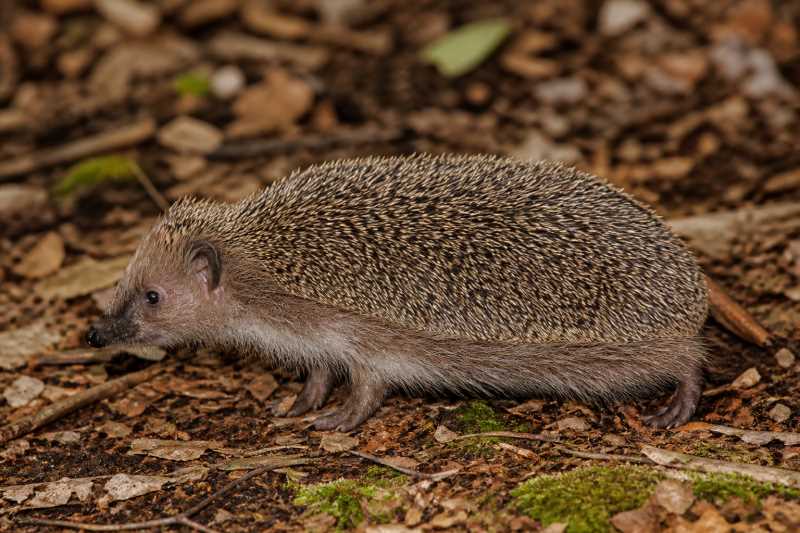
The Eastern Forest Hedgehog is a small mammal characterized by its spiny coat, which serves as a primary defense mechanism against predators. These spines, made of keratin, cover the back and sides of the animal, providing a formidable barrier. The spines are typically brown with lighter tips, blending seamlessly with the forest floor.
An adult Mesechinus orientalis usually measures between 18 to 24 centimeters in length and weighs approximately 500 to 1,000 grams. The hedgehog’s face and underbelly are covered with softer fur, typically a shade of brown or gray, providing a stark contrast to the spiny exterior.
The Eastern Forest Hedgehog has a distinctively elongated snout, which it uses adeptly for foraging. Its eyes are relatively small, while its ears are rounded and often concealed within the spines. The limbs are short but strong, equipped with sharp claws that facilitate digging and climbing.
Range and Habitat
Mesechinus orientalis is predominantly found in the forests of eastern Asia. Its range includes parts of China, Russia, and the Korean Peninsula. These hedgehogs prefer temperate forests but can also be found in grasslands and shrublands, where they thrive in dense vegetation that offers ample cover and foraging opportunities.
The Eastern Forest Hedgehog is highly adaptable and can occupy various habitats, ranging from lowland forests to mountainous regions. Its ability to thrive in diverse environments underscores its resilience and evolutionary success in adapting to changing ecological conditions.
Behavior and Diet
The Eastern Forest Hedgehog is primarily nocturnal, spending daylight hours hidden in burrows or dense vegetation to avoid predators. At night, it emerges to forage, using its keen sense of smell to locate food. Its diet is omnivorous, comprising insects, small vertebrates, fruits, and berries.
These hedgehogs are solitary animals, with each individual maintaining its own territory. During mating season, however, males may venture into the territories of females. The breeding season typically occurs in the spring, with females giving birth to litters of two to six young after a gestation period of about 35 days.
In addition to their foraging activities, Eastern Forest Hedgehogs are known for their ability to hibernate during the colder months. This hibernation period is crucial for survival, as it allows them to conserve energy when food is scarce.
Identification Tips (Field Recognition Cues)
Identifying an Eastern Forest Hedgehog in the wild can be challenging due to its elusive nature and preference for nocturnal activity. However, here are some tips for effective identification:
- Spiny Coat: Look for a hedgehog with a dense covering of spines on its back and sides, which are brown with lighter tips.
- Size and Shape: Note the size of the hedgehog, which typically ranges from 18 to 24 centimeters in length, with a rounded body shape and short limbs.
- Habitat: Identify the type of habitat. Eastern Forest Hedgehogs are commonly found in temperate forests, grasslands, and shrublands.
- Nocturnal Behavior: Observe the animal’s activity patterns. These hedgehogs are primarily active at night, so sightings are more likely during dusk or dawn.
- Foraging Signs: Look for signs of foraging, such as disturbed soil or diggings, which may indicate the presence of a hedgehog.
Conservation Status (With Threats and Protections)
The conservation status of the Eastern Forest Hedgehog is a topic of concern for wildlife conservationists. Currently, this species is classified as "Least Concern" by the International Union for Conservation of Nature (IUCN). However, it faces several threats that could impact its population in the future.
Threats
- Habitat Loss: Deforestation and urbanization are significant threats, leading to the loss of natural habitats for the Eastern Forest Hedgehog.
- Climate Change: Altered weather patterns and temperature fluctuations can affect hibernation cycles and food availability, posing a challenge to their survival.
- Predation and Human Activity: Increased predation from domestic animals and accidental capture in traps intended for other species can also threaten their population.
Protections
Conservation efforts are in place to safeguard the Eastern Forest Hedgehog, including habitat protection and public awareness campaigns. Protected areas and national parks within its range serve as crucial sanctuaries for maintaining stable populations. Additionally, research initiatives aimed at understanding the species’ ecology and behavior contribute to formulating effective conservation strategies.
Frequently Asked Questions
What do Eastern Forest Hedgehogs eat?
Eastern Forest Hedgehogs are omnivorous, feeding on a diet that includes insects, small vertebrates, fruits, and berries. Their foraging activities largely occur at night, utilizing their keen sense of smell to locate food.
How do Eastern Forest Hedgehogs protect themselves from predators?
Eastern Forest Hedgehogs use their spiny coats as a primary defense mechanism. When threatened, they roll into a tight ball, exposing only their spines, which deters most predators from attacking.
Are Eastern Forest Hedgehogs endangered?
Currently, Eastern Forest Hedgehogs are classified as "Least Concern" by the IUCN. However, they face threats such as habitat loss and climate change, which could impact their populations in the future.
How can I identify an Eastern Forest Hedgehog in the wild?
To identify an Eastern Forest Hedgehog, look for its spiny coat, size (18-24 cm), and nocturnal behavior. They are commonly found in temperate forests, grasslands, and shrublands.
What is the typical lifespan of an Eastern Forest Hedgehog?
In the wild, Eastern Forest Hedgehogs typically live for 3 to 7 years, although this can vary depending on environmental conditions and predation pressures.
Related posts