Introduction
The Halmahera Island Rat, scientifically known as Rattus halmaheraensis, is a relatively lesser-known species of rodent endemic to the Halmahera Island in Indonesia. This species is part of the diverse family Muridae, which encompasses a wide variety of rodents. Despite its obscurity in the broader world, the Halmahera Island Rat plays a significant role in its native ecosystem. This article aims to provide an in-depth exploration of this unique species, covering its physical characteristics, habitat preferences, behavioral patterns, and conservation status.
Physical Description
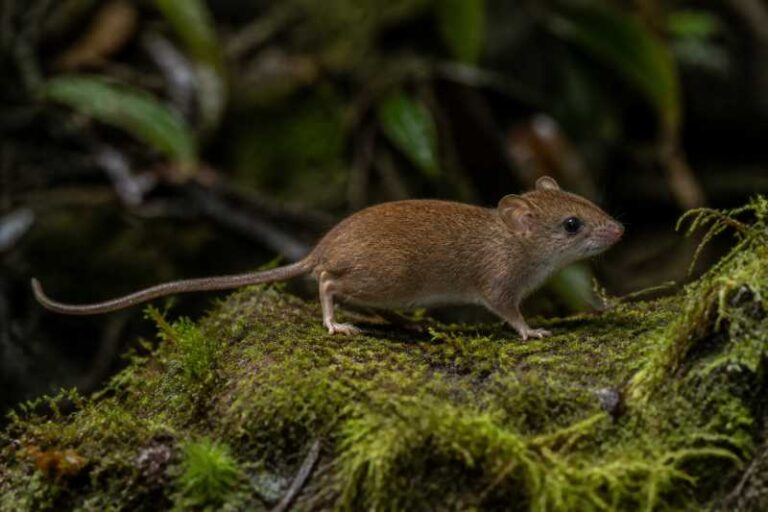
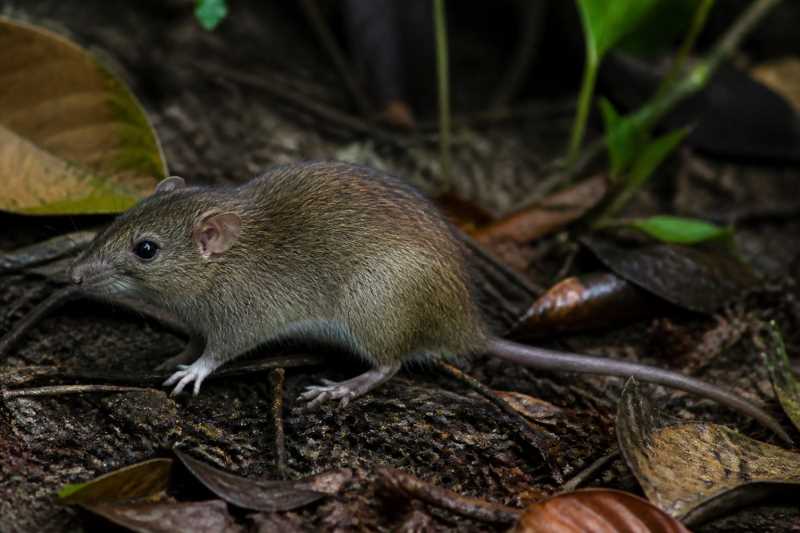
The Halmahera Island Rat is a medium-sized rodent characterized by its robust body and distinctive fur. Typically, the species exhibits a body length ranging between 15 to 20 centimeters, with a tail that is slightly longer than its body, aiding in balance and agility. The fur is generally a mix of gray and brown, providing excellent camouflage within its natural habitat.
The rat’s ears are moderately sized, and its eyes are relatively large, suggesting a reliance on both auditory and visual cues for detecting predators and foraging. The paws are adapted for climbing, with sharp claws enabling it to navigate the dense vegetation and rugged terrain of Halmahera Island.
Range and Habitat
As its name suggests, the Halmahera Island Rat is native to Halmahera Island, the largest island in the Maluku Islands of Indonesia. This island is known for its rich biodiversity and unique ecosystems, which provide an ideal environment for a variety of endemic species.
The Halmahera Island Rat primarily inhabits forested regions, ranging from lowland tropical rainforests to montane forests. These environments offer abundant food resources and shelter opportunities, essential for the rat’s survival. The species has also been observed in secondary forests and occasionally near agricultural areas, indicating some level of adaptability to human-altered landscapes.
Behavior and Diet
The Halmahera Island Rat is predominantly nocturnal, with most of its activities occurring during the night. This behavior helps it avoid many diurnal predators and take advantage of cooler temperatures for foraging.
The diet of the Halmahera Island Rat is omnivorous, consisting mainly of fruits, seeds, and small invertebrates. Its role as both a seed disperser and a predator of insects makes it an integral part of the forest ecosystem, helping to maintain ecological balance.
Socially, the species tends to be solitary or found in small family groups. Communication is likely achieved through vocalizations, scent marking, and body language, similar to other members of the genus Rattus.
Identification Tips (Field Recognition Cues)
Identifying the Halmahera Island Rat in the wild requires careful observation of several key characteristics:
- Size and Shape: Look for a medium-sized rodent with a robust body and a tail slightly longer than its body length.
- Coloration: Note the mix of gray and brown fur, which aids in camouflage within the forest.
- Behavior: Observe nocturnal activity patterns, as this species is primarily active at night.
- Habitat: Check for presence in forested areas of Halmahera Island, including both primary and secondary forests.
Conservation Status (With Threats and Protections)
Currently, the Halmahera Island Rat is not well-studied, and its conservation status is not clearly defined by major conservation organizations like the IUCN. However, it faces several threats that could impact its populations in the future. These threats include habitat destruction due to logging, agricultural expansion, and infrastructure development on Halmahera Island.
Conservation efforts for this species are limited, partly due to the lack of comprehensive research on its population trends and ecological requirements. Protecting its natural habitat through the establishment of protected areas and sustainable land-use practices is crucial for ensuring the long-term survival of the Halmahera Island Rat.
Frequently Asked Questions
Why is this species unique?
The Halmahera Island Rat is unique due to its endemic status, meaning it is found nowhere else in the world except Halmahera Island. This isolation has allowed it to adapt specifically to the island’s ecosystems.
What role does it play in the ecosystem?
As an omnivore, the Halmahera Island Rat serves as both a seed disperser and a predator of small invertebrates, contributing to the ecological balance of its forest habitat.
How can the species be protected?
Protecting the Halmahera Island Rat involves conserving its natural habitat through sustainable practices and potentially establishing protected areas to mitigate the effects of habitat loss.
What are the main threats to this species?
The primary threats include habitat destruction from logging, agricultural expansion, and development. These activities reduce the available natural environment necessary for the rat’s survival.
Are there conservation efforts in place?
Currently, specific conservation efforts are limited. However, general conservation measures focusing on habitat preservation on Halmahera Island could benefit the Halmahera Island Rat by preserving its natural environment.
Related posts