Introduction
The Spiny Taiwan White-bellied Rat, scientifically known as Niviventer coninga, is a fascinating rodent species that is native to the mountainous regions of Taiwan. This mammal is particularly intriguing due to its unique physical characteristics and behaviors, which distinguish it from other members of the Niviventer genus. Known for its adaptability and resilience, the Spiny Taiwan White-bellied Rat plays a crucial role in its ecosystem, contributing to seed dispersal and soil aeration.
This article delves into the various aspects of this remarkable species, including its physical description, range and habitat, behavior and diet, identification tips, and conservation status. Additionally, we address some frequently asked questions about the Spiny Taiwan White-bellied Rat, providing comprehensive insights into this enigmatic creature.
Physical Description
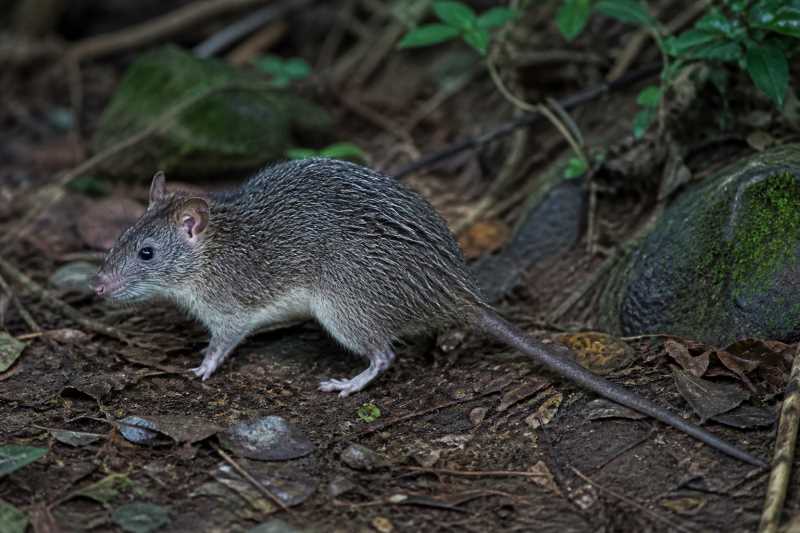
The Spiny Taiwan White-bellied Rat is medium-sized, with an average body length ranging from 14 to 20 centimeters, excluding its tail, which can add an additional 12 to 18 centimeters. Its distinguishing feature is its spiny fur, which is more pronounced on its back. This adaptation is believed to provide protection against predators and harsh environmental conditions.
The dorsal side of the rat is typically brown or gray, with a conspicuous contrast to its white or cream-colored ventral side, hence the name "white-bellied." Its fur is dense and coarse, which not only serves as a defense mechanism but also aids in temperature regulation. The Spiny Taiwan White-bellied Rat has a pointed snout, large round eyes, and relatively large ears, which enhance its sensory capabilities.
Range and Habitat
Endemic to Taiwan, the Spiny Taiwan White-bellied Rat primarily inhabits the island’s mountainous regions. It thrives in a variety of forested environments, including subtropical and temperate forests. This adaptability to different forest types allows the species to occupy elevations ranging from 500 to 3,000 meters above sea level.
The rat prefers areas with dense understory vegetation, which provides ample cover from predators and abundant food resources. The presence of fallen logs and leaf litter is particularly important for this species, as these features offer nesting sites and foraging opportunities.
Behavior and Diet
The Spiny Taiwan White-bellied Rat is predominantly nocturnal, using the cover of darkness to forage and avoid predators. Its diet is omnivorous, consisting of a variety of seeds, fruits, insects, and small invertebrates. This diverse diet not only supports its nutritional needs but also aids in seed dispersal, making it an essential component of its ecosystem.
Socially, the Spiny Taiwan White-bellied Rat is primarily solitary, with individuals occupying overlapping home ranges. However, during the breeding season, which typically occurs in the warmer months, males and females come together to mate. After a gestation period of about 30 days, the female gives birth to a litter of 3 to 5 pups, which she raises independently.
Identification Tips (Field Recognition Cues)
Identifying the Spiny Taiwan White-bellied Rat in the field can be a rewarding experience for wildlife enthusiasts. Key recognition cues include:
- Spiny Fur: The presence of spiny hairs on the rat’s back is a distinctive feature.
- Coloration: Look for the contrast between the dark dorsal fur and the light ventral fur.
- Size and Shape: Note the medium size, pointed snout, and long tail relative to body length.
- Habitat: Observe the dense forest environments, particularly in mountainous regions.
- Behavior: Look for nocturnal activity patterns and signs of foraging at night.
Conservation Status (with Threats and Protections)
Currently, the Spiny Taiwan White-bellied Rat is not listed as threatened or endangered. However, its habitat is increasingly under pressure from human activities, such as deforestation, urban expansion, and agriculture. These activities lead to habitat fragmentation, which can negatively impact the rat’s population by isolating groups and reducing genetic diversity.
Conservation efforts are essential to protect this species and its habitat. Measures include the establishment of protected areas and the promotion of sustainable land-use practices. Additionally, ongoing research and monitoring are necessary to better understand the population dynamics and ecological requirements of the Spiny Taiwan White-bellied Rat.
Frequently Asked Questions
What does the Spiny Taiwan White-bellied Rat eat? The Spiny Taiwan White-bellied Rat has an omnivorous diet, consuming seeds, fruits, insects, and small invertebrates. This diverse diet supports its role in seed dispersal within its habitat.
Where can I find the Spiny Taiwan White-bellied Rat? This species is endemic to Taiwan and primarily inhabits mountainous regions with dense forest cover. Look for them at elevations between 500 to 3,000 meters.
Are Spiny Taiwan White-bellied Rats endangered? Currently, the Spiny Taiwan White-bellied Rat is not classified as endangered. However, habitat loss due to human activities poses a potential threat to its population.
How can I identify a Spiny Taiwan White-bellied Rat in the wild? Look for medium-sized rodents with spiny dorsal fur, a white belly, and a long tail. They are typically active at night in dense forest environments.
What role does the Spiny Taiwan White-bellied Rat play in its ecosystem? This rat is an important seed disperser and contributes to soil aeration, playing a vital role in maintaining the health and diversity of its forest habitat.
Related posts