Barbour’s Vlei Rat (Otomys barbouri): A Comprehensive Guide
Introduction
Barbour’s Vlei Rat, scientifically known as Otomys barbouri, is a fascinating small mammal belonging to the Muridae family. This species, named after the American zoologist Thomas Barbour, is one of the lesser-known rodents but plays a crucial role in its ecosystem. Native to Africa, Barbour’s Vlei Rat is a herbivorous species with distinctive physical and behavioral characteristics. Understanding this species is not only essential for ecological studies but also for conservation efforts aimed at preserving biodiversity.
Physical Description
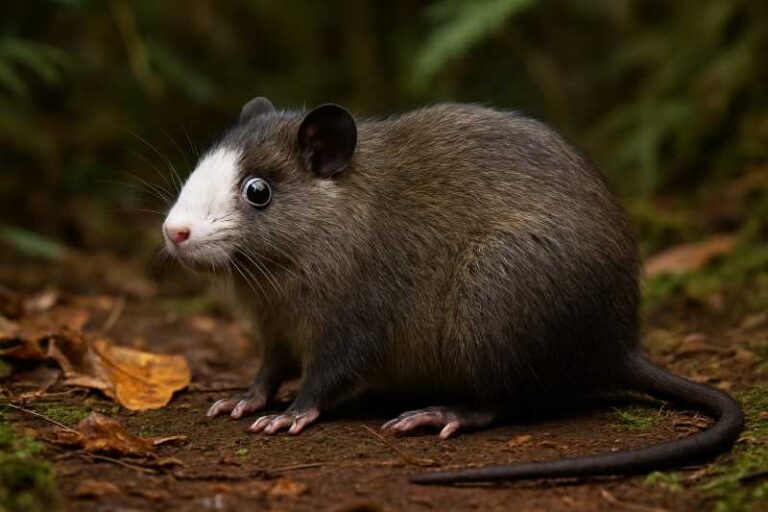
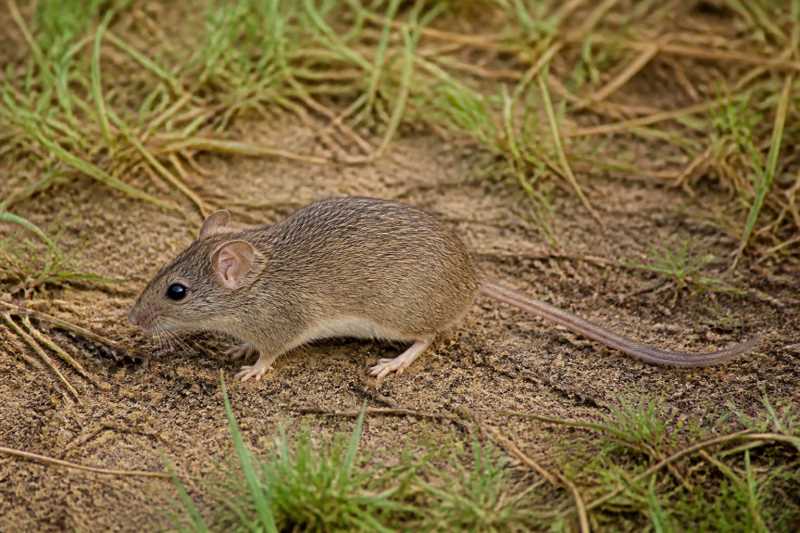
Barbour’s Vlei Rat is a medium-sized rodent with a robust build. Its body length ranges from 12 to 20 cm, with a tail length of approximately 6 to 10 cm. The fur is generally coarse and dense, providing insulation against the cold climates often found in its habitat. The dorsal fur is typically a greyish-brown, while the underparts are lighter, usually a pale grey or white.
The species has small, rounded ears and relatively short legs. One of the distinguishing features of Barbour’s Vlei Rat is its large, chisel-shaped incisors, adapted for gnawing tough vegetation. The eyes are small but adapted for low-light conditions, reflecting its crepuscular activity patterns.
Range and Habitat
Barbour’s Vlei Rat is endemic to the highland regions of Eastern and Southern Africa. It is predominantly found in grasslands, wetlands, and montane forests. This species thrives in areas with dense vegetation, which provides both food and protection from predators. The vlei rat favors habitats that offer a mix of grasses, shrubs, and occasional water bodies.
The species is altitudinal, often inhabiting areas above 1,500 meters. This preference for high elevations is partly due to the cooler temperatures and specific plant communities that grow in these regions. Unfortunately, their range is increasingly fragmented due to human activities, such as agriculture and urbanization.
Behavior and Diet
Barbour’s Vlei Rat is primarily herbivorous, feeding on a variety of grasses, herbs, and occasionally, seeds and roots. Its diet is heavily dependent on the availability of vegetation in its habitat, making it sensitive to environmental changes.
Behaviorally, this species is crepuscular, being most active during dawn and dusk. These periods offer optimal conditions for feeding and avoiding predators. The vlei rat is a solitary animal, though it may be seen in small family groups during the breeding season. It constructs burrows or nests within thick vegetation, which provide shelter and protection.
Identification Tips (Field Recognition Cues)
Identifying Barbour’s Vlei Rat in the field requires attention to several key characteristics:
- Size and Shape: Look for a medium-sized rodent with a robust body and relatively short tail.
- Fur Coloration: Note the greyish-brown dorsal fur and lighter underparts.
- Incisors: Observe the large, chisel-shaped front teeth, ideal for gnawing vegetation.
- Habitat: Spotting this species is more likely in dense grassland or montane forest habitats.
- Activity Patterns: Look for activity during dawn or dusk when the rat is most active.
Conservation Status (with Threats and Protections)
The International Union for Conservation of Nature (IUCN) currently lists Barbour’s Vlei Rat as "Least Concern." However, this status does not imply that the species is free from threats. Habitat loss due to agricultural expansion, urban development, and climate change pose significant risks to its populations. Invasive species and predation by domestic animals also contribute to the decline in certain areas.
Conservation efforts are essential to mitigate these threats. Protecting natural habitats through the establishment of reserves and implementing sustainable land-use practices are critical measures. Additionally, further research is needed to monitor population trends and assess the impact of environmental changes on this species.
Frequently Asked Questions
What is the primary diet of Barbour’s Vlei Rat?
Barbour’s Vlei Rat primarily feeds on grasses, herbs, and occasionally seeds and roots. Its diet reflects its herbivorous nature and depends on the vegetation available in its habitat.
Where can you find Barbour’s Vlei Rat in the wild?
This species is found in the highland regions of Eastern and Southern Africa, particularly in grasslands, wetlands, and montane forests, usually above 1,500 meters in elevation.
How does Barbour’s Vlei Rat adapt to its environment?
Barbour’s Vlei Rat adapts to its environment through its dense fur for insulation, chisel-shaped incisors for gnawing vegetation, and crepuscular activity patterns to avoid predators and extreme weather conditions.
What are the main threats to Barbour’s Vlei Rat?
The main threats include habitat loss due to agricultural and urban development, climate change, invasive species, and predation by domestic animals.
How can we help conserve Barbour’s Vlei Rat?
Conservation can be aided by protecting natural habitats, establishing reserves, implementing sustainable land-use practices, and conducting further research to monitor and manage populations effectively.
Related posts