Introduction
The Snow-footed Oldfield Mouse, scientifically known as Thomasomys niveipes, is a captivating species of rodent that inhabits the high-altitude regions of South America. Despite its elusive nature, this small mammal plays a significant role in its ecosystem. In this article, we will delve into the various aspects of the Snow-footed Oldfield Mouse, including its physical characteristics, habitat, behavior, and conservation status.
Physical Description
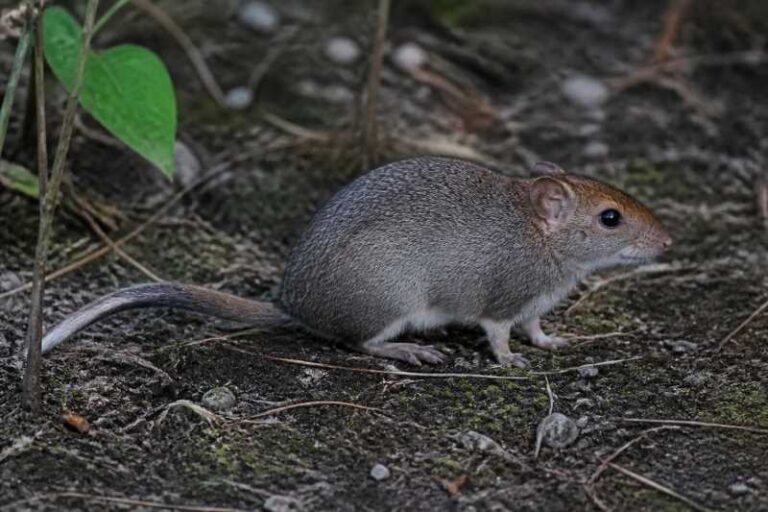
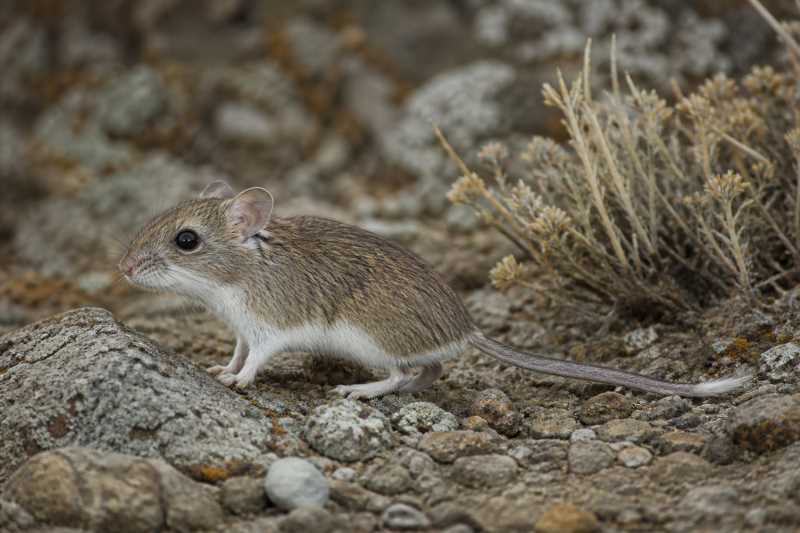
The Snow-footed Oldfield Mouse is a small rodent characterized by its delicate and finely structured body. It typically measures between 10 to 15 centimeters in length, with a tail that is often as long as or longer than its body. The fur of the Snow-footed Oldfield Mouse is soft and dense, providing essential insulation against the cold temperatures of its high-altitude habitat. Its coloration ranges from a muted brown to a grayish hue, allowing it to blend seamlessly into its environment. The mouse’s feet are distinctly white, a feature that distinguishes it from other species in the Thomasomys genus, earning it the name "Snow-footed."
Range and Habitat
The Snow-footed Oldfield Mouse is primarily found in the Andean regions of South America, particularly in countries like Peru, Ecuador, and Colombia. It thrives in high-altitude environments, often at elevations ranging from 2,000 to 4,500 meters above sea level. These areas are characterized by their cool temperatures and reduced oxygen levels. The mouse is typically found in cloud forests, paramo grasslands, and other alpine ecosystems, where it has adapted to survive the harsh climatic conditions.
Behavior and Diet
The Snow-footed Oldfield Mouse is a nocturnal creature, mostly active during the night when it forages for food. Its diet is omnivorous, comprising a mix of seeds, fruits, insects, and occasionally small invertebrates. This varied diet is essential for its survival in the nutrient-scarce environments of the Andes. Snow-footed Oldfield Mice are known for their solitary nature, although they may sometimes be observed in small family groups. They are adept climbers and often use their long tails for balance as they navigate their rugged habitats.
Identification Tips (Field Recognition Cues)
Identifying the Snow-footed Oldfield Mouse in the wild can be challenging due to its elusive nature. However, certain features can aid in its recognition:
- White Feet: The most distinctive feature is its white feet, which contrast sharply with its darker body.
- Tail Length: Its tail is notably long, often exceeding the length of its body, and is used for balance.
- Fur Texture: The soft and dense fur provides insulation and is usually a muted brown or gray.
- Size: Relatively small, with a body length of 10 to 15 centimeters.
- Habitat: Found in high-altitude Andean regions, often in cloud forests and paramo grasslands.
Conservation Status (With Threats and Protections)
The Snow-footed Oldfield Mouse is currently not classified as endangered, but it faces several threats that could impact its population. Habitat destruction due to agricultural expansion and deforestation poses a significant risk, as does climate change, which could alter the delicate balance of its high-altitude ecosystem. Conservation efforts are crucial to protect this species, including habitat preservation and monitoring population trends.
Frequently Asked Questions
What is the Snow-footed Oldfield Mouse’s diet?
The Snow-footed Oldfield Mouse has an omnivorous diet, feeding on seeds, fruits, insects, and small invertebrates. This varied diet helps it survive in the nutrient-scarce environments of the Andes.
Where can the Snow-footed Oldfield Mouse be found?
This species is found in the Andean regions of South America, particularly in Peru, Ecuador, and Colombia, at elevations ranging from 2,000 to 4,500 meters above sea level.
How does the Snow-footed Oldfield Mouse adapt to its environment?
The mouse has developed several adaptations, such as dense fur for insulation and a long tail for balance, allowing it to thrive in the cold, high-altitude environments of the Andes.
What are the main threats to the Snow-footed Oldfield Mouse?
The primary threats include habitat destruction due to agricultural activities and deforestation, as well as the impacts of climate change on its high-altitude habitats.
How can we help conserve the Snow-footed Oldfield Mouse?
Conservation efforts should focus on preserving its natural habitat, implementing sustainable land-use practices, and conducting research to monitor population trends and health.
Related posts