Introduction
The Dusky Rice Rat (Melanomys caliginosus) is a captivating mammal species belonging to the family Cricetidae. This rodent is recognized for its adaptability to various habitats and its role in the ecosystem as both prey and seed disperser. The Dusky Rice Rat’s presence is a critical indicator of the health of its ecosystem, making it a species of interest for ecologists and wildlife enthusiasts alike.
Physical Description
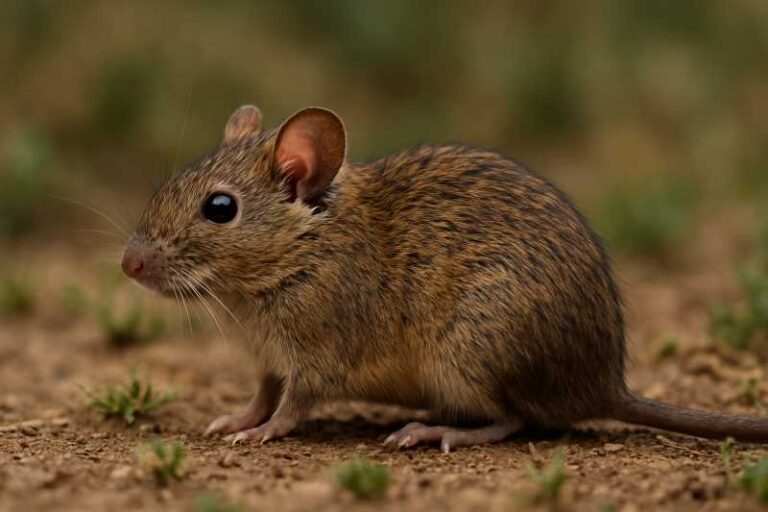
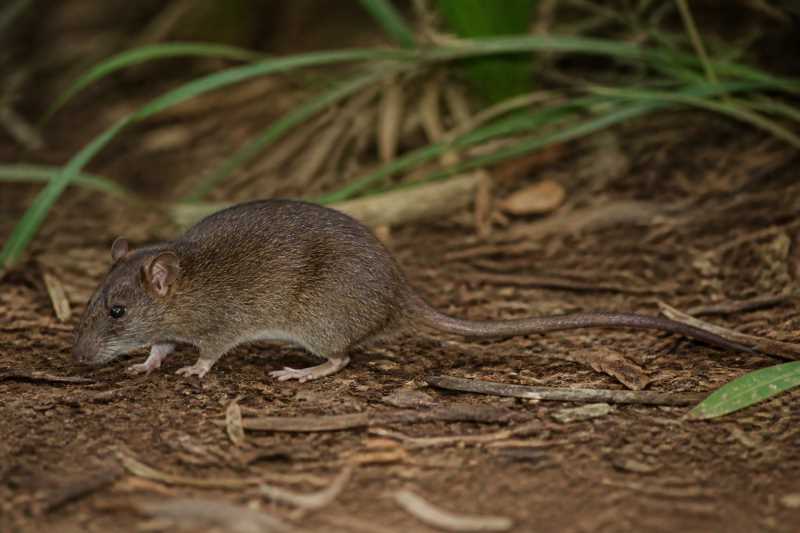
Dusky Rice Rats are small rodents, typically measuring between 12 to 20 cm in length, including their tail, which usually accounts for about half of their total length. They weigh between 40 to 80 grams. Their fur is dense and soft, with a dark brown to black coloration on the upper side, providing camouflage in their natural habitat. The underbelly is usually lighter, ranging from gray to white. Their eyes are prominent and adapted for nocturnal activity, while their ears are small and rounded, aiding in their acute sense of hearing. Their hind limbs are slightly longer than the forelimbs, facilitating their agility and ability to navigate through dense underbrush.
Range and Habitat
Melanomys caliginosus is primarily found in Central and South America, stretching from southern Mexico through Panama, and into northwestern South America, including Colombia and Ecuador. They inhabit a variety of environments, including tropical rainforests, cloud forests, and occasionally agricultural areas. Dusky Rice Rats are typically found at elevations ranging from sea level to over 2,000 meters. They prefer areas with dense vegetation that offer ample cover from predators and abundant food resources.
Behavior and Diet
The Dusky Rice Rat is predominantly nocturnal, being most active during the night. It is a solitary creature, except during the breeding season. These rats are known for their secretive nature, often staying hidden under the leaf litter or dense vegetation during the day. Their diet is diverse, primarily consisting of seeds, fruits, and plant material. However, they are also known to consume small invertebrates, such as insects and snails, making them omnivorous. The Dusky Rice Rat plays a crucial role in seed dispersal, contributing to the maintenance of their habitat’s ecological balance.
Identification Tips
Identifying the Dusky Rice Rat in the field can be challenging due to its elusive nature. However, there are several cues to aid in recognition:
- Fur Color: Look for the characteristic dark brown to black fur on the dorsal side, contrasting with a lighter underbelly.
- Size and Shape: Note the small size, with a length of 12 to 20 cm, and a proportionately long tail.
- Movement: Observe their swift and agile movements at night, often darting quickly through foliage.
- Tracks and Signs: Look for small footprints and droppings along trails, and listen for rustling sounds in the underbrush.
Conservation Status
As of the latest assessments, the Dusky Rice Rat is not currently listed as endangered or threatened. However, habitat destruction due to deforestation and agricultural expansion poses significant threats to their populations. Conservation efforts focus on habitat preservation and restoration, ensuring that these rodents have ample natural environments in which to thrive. Organizations are working to implement sustainable land-use practices that balance human activity with wildlife conservation.
Frequently Asked Questions
1. What is the natural habitat of the Dusky Rice Rat? The Dusky Rice Rat thrives in tropical and subtropical forests, preferring areas with dense vegetation. They can also adapt to secondary forests and, occasionally, to agricultural landscapes.
2. How do Dusky Rice Rats contribute to their ecosystem? They play a vital role in seed dispersal, aiding in plant regeneration. Additionally, as prey for various predators, they are an integral part of the food web.
3. Are Dusky Rice Rats dangerous to humans? No, Dusky Rice Rats are not dangerous to humans. They are shy and elusive animals that prefer to avoid human contact.
4. What are the main threats to the Dusky Rice Rat? The primary threats include habitat destruction due to deforestation, agricultural expansion, and urbanization. Conservation efforts are crucial to mitigate these threats.
5. How can one help in the conservation of Dusky Rice Rats? Supporting conservation organizations, promoting sustainable land-use practices, and advocating for the protection of their natural habitats can aid in their conservation.
Related posts