Introduction
The Cloud Forest Grass Mouse, scientifically known as Akodon torques, is a fascinating small mammal that inhabits the dense cloud forests of South America. This species is a member of the Cricetidae family, which encompasses a diverse group of rodents. The Cloud Forest Grass Mouse is noted for its adaptability to high-altitude environments and its crucial role in the ecosystem as both prey and seed disperser. This article delves into the various aspects of Akodon torques, from its physical traits to its conservation status, providing a comprehensive overview for enthusiasts and researchers alike.
Physical Description
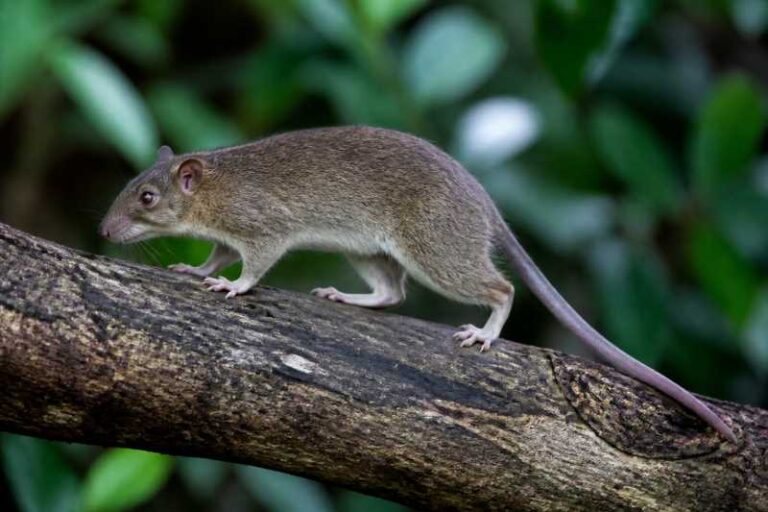
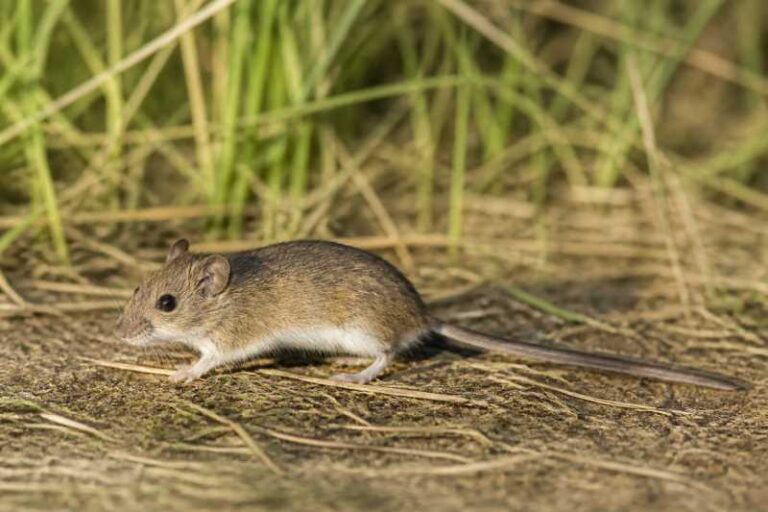
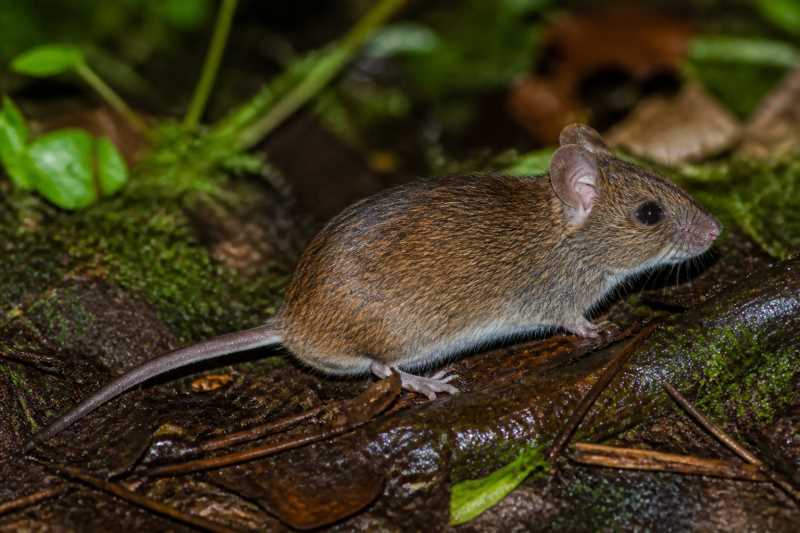
The Cloud Forest Grass Mouse is a small rodent, typically measuring between 8 to 12 centimeters in body length, excluding its tail which adds another 6 to 9 centimeters. It has a dense, soft fur coat that helps it withstand the cooler temperatures of its high-altitude habitat. The coloration of its coat ranges from grayish-brown to dark brown, with a lighter underbelly, providing optimal camouflage among the forest floor’s debris and vegetation.
The mouse’s ears are relatively small and rounded, which aids in minimizing heat loss, a crucial adaptation for survival in cooler climates. Its eyes are small, indicative of its nocturnal nature, while its whiskers are long and sensitive, assisting navigation through the dense underbrush during the night. The legs of Akodon torques are short but strong, suitable for digging and swift movement across uneven terrain.
Range and Habitat
Akodon torques is predominantly found in the cloud forests of the Andean mountain range, spanning several countries including Colombia, Ecuador, Peru, and Bolivia. These forests are characterized by high humidity and persistent cloud cover at the canopy level, creating a unique environment with high biodiversity.
This species prefers altitudes ranging from 1,500 to 3,000 meters above sea level, where it thrives in the thick understory of the cloud forest. This habitat provides ample cover from predators and an abundance of food resources, including seeds, fruits, and insects. The presence of Akodon torques in these regions indicates a healthy ecosystem, as they are integral to seed dispersal and serve as prey for various predators.
Behavior and Diet
The Cloud Forest Grass Mouse is primarily nocturnal, spending its nights foraging for food and avoiding diurnal predators. It is a solitary creature, although it may occasionally be found in small familial groups. Its diet is omnivorous, consisting of seeds, fruits, insects, and occasionally small invertebrates. This varied diet not only supports its survival but also its role in seed dispersal, aiding in the propagation of plant species within its habitat.
Despite its small size, Akodon torques is a resourceful forager, utilizing its acute sense of smell to locate food sources. During the day, it takes refuge in burrows or under dense vegetation to escape predators and the heat of the sun. The species is known for its adaptability, capable of adjusting its foraging habits based on the availability of food resources.
Identification Tips (Field Recognition Cues)
Identifying the Cloud Forest Grass Mouse in the wild can be challenging due to its elusive nature and the dense habitat it occupies. However, there are several key characteristics to look for:
- Size and Shape: Look for a small, compact rodent with a body length of 8 to 12 centimeters and a tail length of 6 to 9 centimeters.
- Fur Color: Note the grayish-brown to dark brown fur with a lighter underbelly, which blends with the forest floor.
- Behavior: Observe nocturnal activity patterns and solitary behavior, often seen during night-time foraging.
- Habitat: Focus on high-altitude cloud forests, particularly those with dense understories and ample ground cover.
- Sounds: Listen for soft scurrying and rustling noises during the night, indicative of its movement through leaf litter.
By focusing on these cues, researchers and enthusiasts can more accurately identify Akodon torques in its natural habitat.
Conservation Status (With Threats and Protections)
The conservation status of the Cloud Forest Grass Mouse is currently listed as Least Concern by the International Union for Conservation of Nature (IUCN). Despite this classification, the species faces several threats that could impact its populations in the future.
Threats
- Habitat Loss: The primary threat to Akodon torques is deforestation, driven by agricultural expansion, logging, and infrastructure development. The destruction of cloud forests not only reduces available habitat but also fragments populations, making them more vulnerable to other threats.
- Climate Change: Changes in climate patterns can alter the delicate balance of the cloud forest ecosystem, affecting food availability and habitat conditions.
- Predation: Natural predators include birds of prey and small carnivores. However, the introduction of non-native species could exacerbate predation pressures.
Protections
Efforts to conserve the Cloud Forest Grass Mouse focus on habitat preservation and restoration. Protected areas within its range, such as national parks and nature reserves, play a critical role in safeguarding its habitat. Conservation organizations are also working to promote sustainable land-use practices and reforestation projects.
Ongoing research is crucial to understanding the species’ ecological role and devising effective conservation strategies. Public education campaigns highlight the importance of cloud forests and their inhabitants, fostering community involvement in conservation efforts.
Frequently Asked Questions
Why is this species unique?
The Cloud Forest Grass Mouse is unique due to its specialization in high-altitude cloud forests, a habitat known for its rich biodiversity and challenging living conditions. Its adaptations to this environment, such as its fur and nocturnal habits, make it a fascinating subject for ecological study.
What role does the Cloud Forest Grass Mouse play in the ecosystem?
Akodon torques plays a crucial role in seed dispersal, aiding in the propagation of various plant species within the cloud forest. Additionally, as prey for numerous predators, it is an integral part of the food web, supporting the ecosystem’s overall health and balance.
How can we help in conserving the Cloud Forest Grass Mouse?
Efforts to conserve this species can be supported by advocating for the preservation of cloud forests and supporting sustainable land-use practices. Engaging in reforestation projects and supporting conservation organizations are also effective ways to contribute to the protection of Akodon torques and its habitat.
What are the primary threats to the Cloud Forest Grass Mouse?
The primary threats include habitat loss due to deforestation, climate change impacting its environment, and increased predation pressures from both native and non-native species. Addressing these threats requires concerted conservation efforts at local and international levels.
Are there any ongoing research projects focused on Akodon torques?
Yes, there are ongoing research projects aimed at understanding the ecology, behavior, and conservation needs of Akodon torques. These studies are crucial for developing effective conservation strategies and ensuring the long-term survival of the species.
Related posts