Introduction
The Chiriquian Harvest Mouse (Reithrodontomys garichensis) is a small mammalian species that belongs to the family Cricetidae. This species is one of the lesser-known rodents of Central America, primarily found in specific regions of Costa Rica and Panama. Despite its name, the Chiriquian Harvest Mouse is not widely recognized outside of scientific communities and wildlife enthusiasts, yet it plays a critical role in its native ecosystem. This article delves into the various aspects of the Chiriquian Harvest Mouse, including its physical characteristics, habitat, behavior, and conservation status, providing a comprehensive overview for researchers, students, and nature lovers alike.
Physical Description
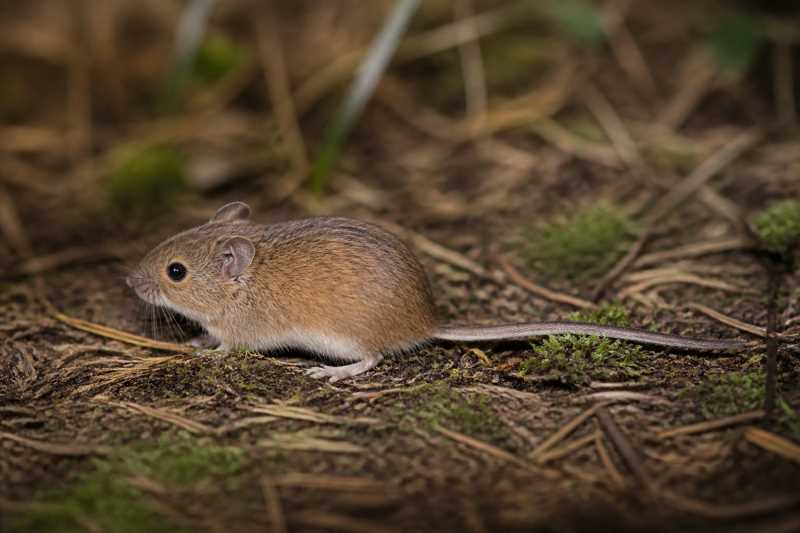
The Chiriquian Harvest Mouse is characterized by its small size and delicate features. Adult mice typically measure between 10 to 15 centimeters in total length, including a tail that accounts for about half of this measurement. Their weight ranges from 10 to 20 grams, making them one of the smaller rodent species in their habitat.
The fur of the Chiriquian Harvest Mouse is soft and dense, with a coloration that varies from cinnamon-brown to dark gray on the dorsal side, providing excellent camouflage against the forest floor. The ventral side is usually lighter, ranging from pale gray to white. One of the most distinguishing features of this species is its large, rounded ears, which are relatively hairless and enhance its auditory capabilities. The eyes are prominent and black, adapted for their nocturnal lifestyle.
Range and Habitat
The Chiriquian Harvest Mouse is primarily found in the mid-elevation regions of Costa Rica and Panama. Its range is limited to the Chiriquí highlands, which include cloud forests and montane forests rich in biodiversity. These areas are characterized by high humidity, frequent mist, and a diverse array of plant and animal life.
Within these habitats, the Chiriquian Harvest Mouse prefers dense understory vegetation where it can find ample cover and food sources. They are often found in areas with a thick ground cover of leaves and grasses, which provide both sustenance and protection from predators. The mouse’s adaptability to various microhabitats within these forests allows it to thrive in an environment where other species might struggle.
Behavior and Diet
The Chiriquian Harvest Mouse is primarily nocturnal, with peak activity during the night when it forages for food. Its diet is omnivorous, consisting of seeds, fruits, insects, and small invertebrates. This varied diet not only helps the mouse meet its nutritional needs but also aids in seed dispersal, contributing to forest regeneration.
Socially, these mice are generally solitary, except during the breeding season. They communicate with each other through a series of high-pitched squeaks and chirps, which are used to establish territories and attract mates. Breeding occurs throughout the year, with a gestation period of about 20 to 25 days, resulting in litters of two to five young.
Identification Tips (Field Recognition Cues)
Identifying the Chiriquian Harvest Mouse in the field requires attention to specific physical and behavioral traits:
- Size and Build: Look for a small rodent with a body length of around 10 to 15 centimeters, including a long tail.
- Coloration: Note the cinnamon-brown to dark gray fur on the dorsal side and lighter underparts.
- Ears and Eyes: The large, rounded ears and prominent black eyes are distinctive features.
- Habitat: This species is typically found in dense vegetation within cloud and montane forests of Costa Rica and Panama.
- Behavior: Nocturnal activity and foraging patterns can also be key indicators.
Conservation Status (with Threats and Protections)
As of the latest assessments, the Chiriquian Harvest Mouse is classified as "Least Concern" by the IUCN Red List. However, this status does not mean the species is free from threats. The primary concerns for this species include habitat destruction due to agricultural expansion, deforestation, and climate change impacts.
Efforts to protect the Chiriquian Harvest Mouse include the establishment of protected areas and national parks within its range. These conservation measures aim to preserve the natural habitats and biodiversity of the Chiriquí highlands. Moreover, ongoing research and monitoring are crucial to understanding population trends and the effects of environmental changes on this species.
Frequently Asked Questions
What do Chiriquian Harvest Mice eat?
Chiriquian Harvest Mice have an omnivorous diet that includes seeds, fruits, insects, and small invertebrates. This diet helps them meet their nutritional needs and plays a role in seed dispersal within their habitat.
Where can the Chiriquian Harvest Mouse be found?
This species is found in the mid-elevation regions of Costa Rica and Panama, specifically in the Chiriquí highlands, which include cloud forests and montane forests.
How does the Chiriquian Harvest Mouse contribute to its ecosystem?
The Chiriquian Harvest Mouse contributes to its ecosystem through seed dispersal, which aids in plant regeneration, and serves as a prey species for various predators, maintaining the food web balance.
What are the main threats to the Chiriquian Harvest Mouse?
The main threats include habitat destruction due to agricultural expansion, deforestation, and the impacts of climate change, which affect their natural habitat.
How can we protect the Chiriquian Harvest Mouse?
Protection can be enhanced through the establishment of protected areas, national parks, and ongoing research to monitor population trends and mitigate environmental threats.
Related posts