Introduction
The Noki, scientifically known as Petromus typicus, is a fascinating mammal that holds a unique place in the animal kingdom. Often referred to by its common name, the dassie rat, this species is not a rat at all but is instead a distant relative of the guinea pig and porcupine. Endemic to the rocky terrains of southern Africa, the Noki is a subject of interest for both scientists and nature enthusiasts alike. This article delves into the various aspects of the Noki’s life, from its physical characteristics to its ecological role and conservation status.
Physical Description
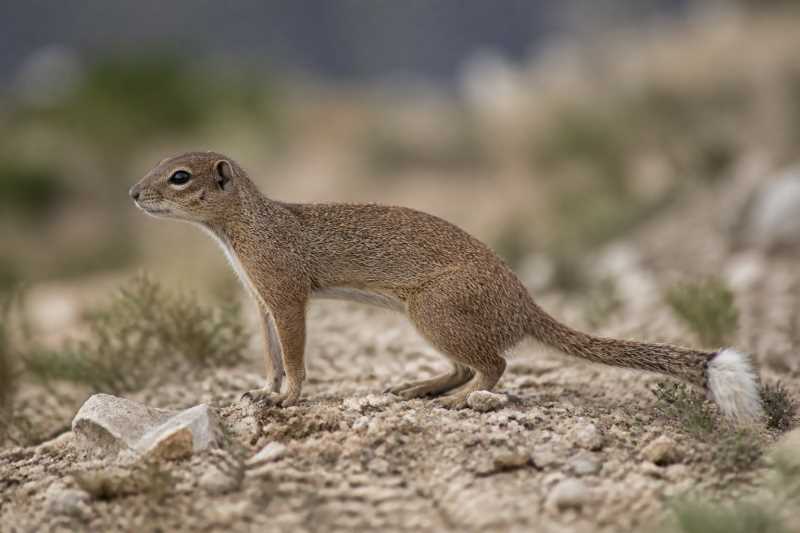
The Noki is a small to medium-sized mammal, typically weighing between 170 and 300 grams and measuring about 20 to 24 centimeters in length, excluding the tail. Its tail, which provides balance and support while navigating rocky landscapes, adds an additional 17 to 20 centimeters to its overall length. The Noki’s fur is dense and soft, usually exhibiting a grayish-brown color that blends seamlessly with its natural environment of rocks and boulders.
One of the most distinctive features of the Noki is its rodent-like appearance, which is accentuated by its small, rounded ears and large, prominent eyes. These adaptations are crucial for detecting predators and navigating its often dimly lit habitat. The Noki’s teeth are similar to those of other hystricomorph rodents, with continuously growing incisors that are well-suited for gnawing on tough vegetation.
Range and Habitat
The Noki is indigenous to southern Africa, with its range extending across Namibia, Botswana, and parts of South Africa and Angola. It thrives in areas characterized by rocky outcrops, cliffs, and boulder-strewn hillsides. These environments provide the Noki with ample hiding spots from predators and a rich supply of vegetation for sustenance.
The rocky terrain is not just a home but a fortress for the Noki, offering protection from predators such as birds of prey, snakes, and carnivorous mammals. The crevices within the rocks are ideal for nesting and raising young, allowing the Noki to exploit a niche that few other mammals can.
Behavior and Diet
Nokis are primarily diurnal, meaning they are active during the day. Their social structure is somewhat solitary, although they can occasionally be seen in small family groups. Communication among Nokis involves a series of vocalizations and scent markings, which help maintain boundaries and social hierarchies within their territory.
The diet of the Noki is herbivorous, primarily consisting of leaves, grasses, and fruits. Their strong, ever-growing incisors are highly efficient at processing tough plant materials. During the dry season, when food is less abundant, the Noki’s diet may include bark and roots.
Identification Tips (field recognition cues)
Identifying a Noki in the wild requires keen observation and an understanding of its preferred habitat. Here are some tips to help you recognize this unique mammal:
- Habitat: Look for rocky outcrops or boulder-strewn hillsides, as these are the Noki’s preferred habitats.
- Size and Shape: Note the small to medium size, with a body length of around 20 to 24 centimeters and a tail that adds another 17 to 20 centimeters.
- Coloration: The grayish-brown fur blends well with rocky environments, providing camouflage.
- Behavior: Observe for diurnal activity and the presence of small family groups or solitary individuals.
Conservation Status (with threats and protections)
The Noki is currently classified as Least Concern by the International Union for Conservation of Nature (IUCN). Despite this relatively secure status, the species faces threats that could impact its population in the future. Habitat destruction due to mining, agriculture, and urban expansion poses a significant risk to the Noki’s rocky habitats.
Conservation efforts are focused on habitat protection and research to better understand the ecological role of the Noki. Protected areas and nature reserves in southern Africa play a crucial role in safeguarding the habitats of this unique species.
Frequently Asked Questions
1. What is the natural habitat of the Noki?
The Noki is typically found in rocky outcrops, cliffs, and boulder-strewn hillsides in southern Africa, where it can find protection and food.
2. Is the Noki endangered?
Currently, the Noki is classified as Least Concern by the IUCN, but it faces threats from habitat destruction due to human activities.
3. What does the Noki eat?
Nokis are herbivores, feeding on leaves, grasses, fruits, and occasionally bark and roots, especially during the dry season.
4. How can I identify a Noki in the wild?
Look for their habitat preferences, size, coloration, and diurnal behavior. They are small to medium-sized with grayish-brown fur.
5. Are Nokis social animals?
Nokis are primarily solitary but can sometimes be found in small family groups, communicating through vocalizations and scent markings.
Related posts