Northern Elongated White-toothed Shrew (Crocidura elongata)
Introduction
The Northern Elongated White-toothed Shrew, scientifically known as Crocidura elongata, is a captivating species within the shrew family, Soricidae. Known for its distinct physical characteristics and intriguing behaviors, this small mammal inhabits various regions across Southeast Asia. Despite its diminutive size, the Northern Elongated White-toothed Shrew plays a significant ecological role in its habitat, contributing to insect population control and serving as a prey species for numerous predators.
In this comprehensive article, we will delve into the fascinating world of the Northern Elongated White-toothed Shrew, exploring its physical description, natural range, habitat preferences, behavior, diet, and much more. We’ll also discuss its conservation status, threats, and the protective measures in place to ensure its survival. Additionally, we’ll provide valuable identification tips for those interested in observing this elusive creature in the wild.
Physical Description
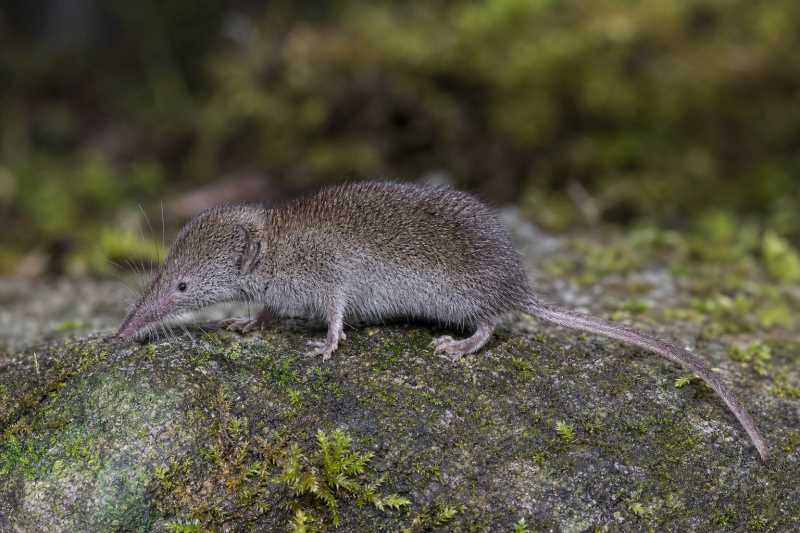
The Northern Elongated White-toothed Shrew is a small mammal characterized by its elongated body and distinctive white teeth, from which it derives its name. Adult shrews typically measure between 70 to 90 millimeters in body length, with a tail length of approximately 50 to 60 millimeters. Despite their small stature, these shrews are agile and robust, adapted to a life of constant foraging and exploration.
Their fur is generally a dark grayish-brown, providing excellent camouflage within their natural habitats. The underparts are slightly lighter, offering some contrast. The shrew’s snout is elongated, aiding in the detection of prey, while their small, beady eyes and ears are adapted more for sensing vibrations than visual acuity.
The most striking feature, however, is their white teeth, which contrast sharply against their dark fur. These specialized teeth are adapted for their insectivorous diet, allowing them to efficiently capture and consume a variety of invertebrates.
Range and Habitat
The Northern Elongated White-toothed Shrew is predominantly found in Southeast Asia, with its range extending through countries such as Vietnam, Laos, and parts of southern China. The species thrives in a variety of habitats, including tropical and subtropical forests, grasslands, and even agricultural areas where the natural vegetation provides adequate cover and foraging opportunities.
These shrews prefer moist environments and are often found near water sources such as streams and rivers. They are also known to inhabit regions with dense undergrowth, which offers protection from predators and harsh weather conditions. The availability of food resources is a critical factor in habitat selection, as these shrews have high metabolic rates and require a constant supply of insects and other small invertebrates.
Behavior and Diet
Northern Elongated White-toothed Shrews are primarily nocturnal, spending the majority of their active hours foraging under the cover of darkness. They are solitary creatures, exhibiting territorial behaviors and often defending their home ranges from intruders. Shrews communicate through a series of high-pitched squeaks and ultrasonic sounds, which are also used for echolocation while navigating through dense underbrush.
Their diet consists mainly of insects, spiders, and other small invertebrates. They are voracious feeders, consuming up to twice their body weight in food each day. This high metabolic demand necessitates constant foraging, and they are known to cache food for later consumption.
Identification Tips
For those interested in observing Northern Elongated White-toothed Shrews in their natural habitat, here are some identification tips:
- Size and Shape: Look for a small, elongated mammal with a body length of 70-90 mm and a proportionally long tail.
- Fur Color: Observe the dark grayish-brown fur, lighter underparts, and the contrasting white teeth.
- Habitat: Check areas with dense undergrowth near water sources, particularly in tropical and subtropical forest regions.
- Behavior: Note the nocturnal activity and listen for high-pitched squeaks, particularly at dusk or dawn.
- Tracks and Signs: Look for small tracks and droppings in soft soil, indicative of shrew activity.
Conservation Status
The conservation status of the Northern Elongated White-toothed Shrew is currently listed as "Least Concern" by the International Union for Conservation of Nature (IUCN). However, like many species, it faces threats from habitat destruction, primarily due to deforestation and agricultural expansion.
Efforts to protect this species include the establishment of protected areas within its range and the promotion of sustainable land-use practices. Conservationists emphasize the importance of preserving natural habitats and maintaining ecological balance to ensure the survival of this and many other species.
Threats
- Habitat Loss: Deforestation and land conversion for agriculture pose significant threats.
- Pollution: Pesticides and pollutants can affect the shrew’s food supply and habitat quality.
- Climate Change: Altered weather patterns can impact habitat conditions and food availability.
Protections
- Protected Areas: Many habitats within the shrew’s range are now conservation zones.
- Environmental Policies: Regulations are in place to minimize deforestation and land degradation.
- Public Awareness: Educational programs promote the importance of biodiversity and conservation.
Frequently Asked Questions
What do Northern Elongated White-toothed Shrews eat?
Northern Elongated White-toothed Shrews primarily eat insects, spiders, and small invertebrates. They have a high metabolic rate and need to consume a large amount of food relative to their body size to sustain their energy levels.
Where can you find Northern Elongated White-toothed Shrews?
These shrews are found in Southeast Asia, specifically in countries like Vietnam, Laos, and parts of southern China. They inhabit tropical and subtropical forests, grasslands, and areas near water bodies.
How can you identify a Northern Elongated White-toothed Shrew?
Identify them by their small size, elongated body, dark grayish-brown fur, lighter underparts, and distinctive white teeth. They are most active at night, often heard through their high-pitched squeaks.
Are Northern Elongated White-toothed Shrews endangered?
Currently, they are listed as "Least Concern" but face threats from habitat loss and environmental changes. Conservation efforts are in place to mitigate these risks.
What roles do Northern Elongated White-toothed Shrews play in their ecosystem?
They help control insect populations and serve as prey for larger predators, playing a crucial role in maintaining ecological balance.
By understanding and appreciating the Northern Elongated White-toothed Shrew, we can better contribute to its conservation and the health of the ecosystems it inhabits.
Related posts