The Enigmatic Venezuelan Wood Quail: A Conservation Priority
Nestled within the lush and varied ecosystems of Venezuela, the Venezuelan Wood Quail (Odontophorus columbianus) is a captivating bird species that remains relatively unknown to the wider world. This elusive ground-dwelling bird is a member of the Odontophoridae family, which includes the New World quails, and it plays a crucial role in the biodiversity of its habitat. In this article, we will explore the physical characteristics, habitat, behavior, and conservation challenges facing this unique avian species.
Physical Characteristics
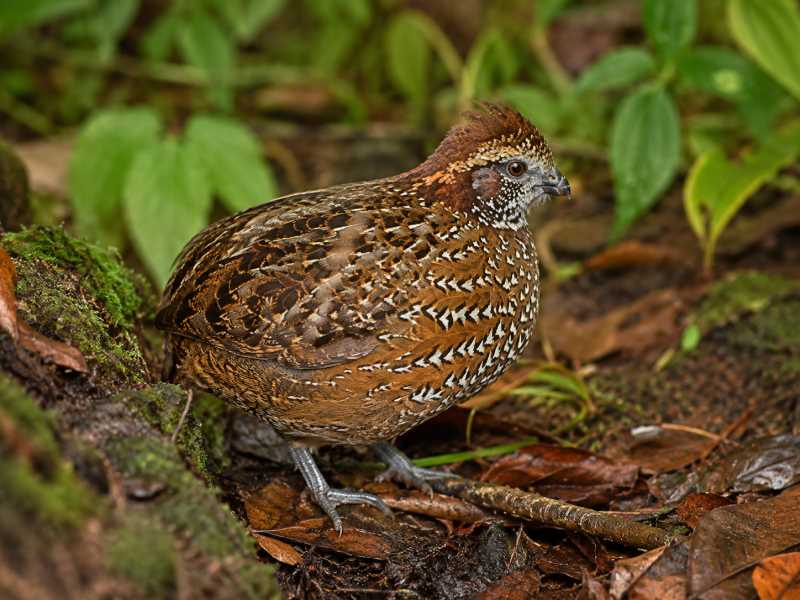
The Venezuelan Wood Quail is a medium-sized bird, measuring approximately 25 centimeters in length. It is characterized by its robust body, short rounded wings, and a relatively long tail. The plumage is a blend of rich browns and blacks, with distinctive white streaks that offer excellent camouflage against the forest floor. The bird’s head is adorned with a striking combination of black and white markings, giving it a somewhat masked appearance. These features not only aid in its survival by providing stealth against predators but also make it a subject of interest for ornithologists and birdwatchers alike.
Habitat and Distribution
This quail species is endemic to the montane forests of Venezuela, particularly thriving in the subtropical and tropical moist lowland forests. It is predominantly found in the country’s northern and central regions, favoring dense understory vegetation where it can forage and nest in relative safety. The Venezuelan Wood Quail’s habitat is often characterized by rich biodiversity, including a variety of flora and fauna that contribute to a dynamic ecosystem. However, this habitat is increasingly under threat due to human activities such as deforestation and land conversion for agriculture.
Behavior and Diet
Venezuelan Wood Quails are known for their elusive nature, often heard rather than seen. Their vocalizations, a series of whistles and calls, serve as a primary means of communication, particularly during the breeding season. These birds are ground foragers, feeding primarily on a diet of seeds, fruits, and small invertebrates. Their feeding habits play a significant role in seed dispersal, contributing to the health and regeneration of their forest habitat.
The social structure of the Venezuelan Wood Quail is fascinating, as they typically form small family groups or coveys. These groups work together to forage and defend their territory against predators. During the breeding season, which occurs in the rainy months, they exhibit strong pair bonds, with both parents involved in rearing the young. Nesting takes place on the ground, where the female lays a clutch of eggs in a well-concealed nest lined with leaves and other vegetation.
Conservation Challenges
Despite their ecological importance, Venezuelan Wood Quails face significant conservation challenges. Habitat loss due to deforestation is the primary threat, as large swaths of forest are cleared for agricultural expansion, logging, and urbanization. Additionally, hunting poses a threat to their population, as these birds are often sought after for their meat. The combination of these factors has led to a decline in their numbers, prompting conservationists to classify the species as “Near Threatened” on the IUCN Red List.
Efforts to conserve the Venezuelan Wood Quail must focus on habitat preservation and restoration, as well as implementing sustainable land-use practices. Protected areas serve as crucial refuges for these birds, and expanding such areas could help mitigate the impacts of habitat loss. Community engagement and education are also vital, as local communities play a key role in conservation efforts. By fostering a greater understanding of the ecological value of the Venezuelan Wood Quail, it is possible to garner support for sustainable practices that benefit both the birds and the people who share their environment.
Conclusion
The Venezuelan Wood Quail is a remarkable species that embodies the rich biodiversity of Venezuela’s montane forests. Its role as a seed disperser and its intricate social behaviors make it an integral part of its ecosystem. However, the challenges it faces are emblematic of broader environmental issues affecting numerous species worldwide. Through concerted conservation efforts, there is hope that the Venezuelan Wood Quail can continue to thrive and maintain its place in the natural world. Protecting this species not only preserves a unique avian treasure but also supports the broader health of its vibrant habitat.
Related posts