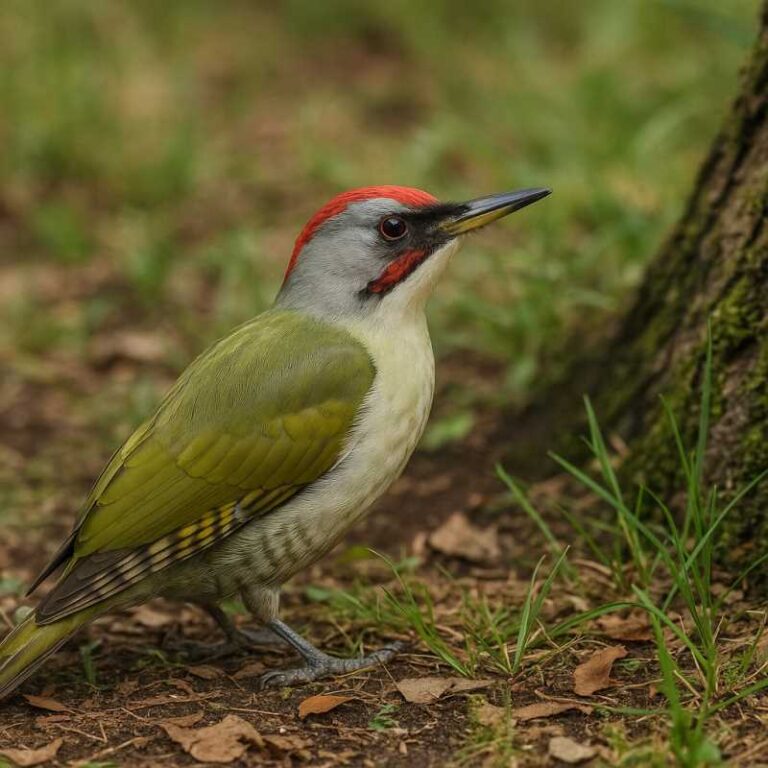
The African Blue Tit: A Jewel of Avian Diversity
The African Blue Tit (Cyanistes teneriffae) is a captivating bird species that enriches the biodiversity of the African continent and the Canary Islands. Renowned for its vibrant plumage and spirited behavior, this small passerine bird holds a significant place in both ecological research and ornithological admiration. In this article, we delve into the various aspects of the African Blue Tit, exploring its habitat, behavior, and the conservation challenges it faces.
Taxonomy and Distribution
The African Blue Tit belongs to the Paridae family, which also includes various species of tits and chickadees. Initially considered a subspecies of the Eurasian Blue Tit (Cyanistes caeruleus), recent genetic studies have led to its classification as a separate species, highlighting its unique evolutionary lineage.
Endemic to the Canary Islands, North Africa, and parts of the Iberian Peninsula, the African Blue Tit thrives in a range of habitats. It is most commonly found in open woodlands, gardens, and forests, showcasing its adaptability to diverse environmental conditions. Its presence across these regions underscores the ecological versatility of this species, as it has successfully adapted to both Mediterranean climates and the subtropical zones of the Canary Islands.
Physical Characteristics
The African Blue Tit is a small bird, measuring approximately 11-12 centimeters in length, with a wingspan of about 18-20 centimeters. Its weight typically ranges from 10 to 12 grams. Its striking plumage is characterized by a vivid blue cap, white cheeks, and a bright yellow underbelly. The wings and tail exhibit a combination of blue and black, with subtle olive tones on the back. This colorful appearance not only makes it a delight to observe but also serves as an important factor in mate selection and territorial displays.
Behavior and Diet
Known for its active and acrobatic nature, the African Blue Tit is often seen flitting through trees and shrubs in search of food. It primarily feeds on insects and spiders, which it skillfully extracts from crevices and foliage. During the winter months, when insect availability decreases, it supplements its diet with seeds and berries, demonstrating its dietary flexibility.
The African Blue Tit is a socially dynamic bird. During the breeding season, which typically occurs from February to June, pairs establish territories and engage in elaborate courtship displays. The male often presents food to the female as part of the mating ritual, a behavior that strengthens pair bonds. Nesting usually takes place in tree cavities, although they readily adapt to nest boxes provided in gardens and reserves.
Vocalizations
Vocal communication plays a crucial role in the life of the African Blue Tit. It possesses a wide repertoire of calls, which are used for a variety of purposes, including attracting mates, signaling alarm, and maintaining group cohesion. Its song is a melodious series of high-pitched notes, often described as cheerful and lively. These vocalizations are vital for establishing territory and deterring potential rivals.
Conservation and Challenges
Despite its widespread presence, the African Blue Tit faces several conservation challenges. Habitat loss due to urbanization, deforestation, and agricultural expansion poses significant threats to its populations. In particular, the degradation of native woodlands and the introduction of invasive species have disrupted the ecological balance in many regions where the African Blue Tit resides.
Climate change is another pressing concern, as shifts in temperature and precipitation patterns can impact the availability of food resources and suitable nesting sites. These environmental changes necessitate adaptive management strategies to ensure the long-term survival of this species.
Conservation efforts are underway to mitigate these threats. Initiatives such as habitat restoration, the establishment of protected areas, and the promotion of nest box programs have been instrumental in supporting African Blue Tit populations. Furthermore, public awareness campaigns aim to engage local communities in conservation activities, fostering a sense of stewardship for this vibrant bird.
Conclusion
The African Blue Tit stands as a testament to nature’s resilience and adaptability. Its vibrant presence across diverse landscapes highlights the intricate connections between species and their habitats. As we continue to study and conserve this remarkable bird, we gain valuable insights into the broader ecological dynamics of the regions it inhabits. By championing the conservation of the African Blue Tit, we contribute to the preservation of the rich biodiversity that defines our planet.
In summary, the African Blue Tit is more than just a bird; it is an emblem of ecological richness and a reminder of our responsibility to protect the natural world. Through concerted conservation efforts, we can ensure that future generations will continue to marvel at the beauty and vitality of this avian jewel.
Related posts