Understanding the Plain-crowned Spinetail: A Beacon of Biodiversity
The Plain-crowned Spinetail (Synallaxis gujanensis) is an intriguing bird species that captivates ornithologists and birdwatchers alike. As part of the Furnariidae family, this species is an excellent representative of avian diversity in the Neotropics. This article delves into the characteristics, habitat, behavior, and conservation efforts related to the Plain-crowned Spinetail, providing a comprehensive overview for bird enthusiasts and conservationists.
Taxonomy and Description
The Plain-crowned Spinetail belongs to the order Passeriformes and the family Furnariidae, commonly known as ovenbirds and woodcreepers. The genus Synallaxis is characterized by its diverse array of spinetails, distinguishing themselves with their long, graduated tails and intricate nest-building habits.
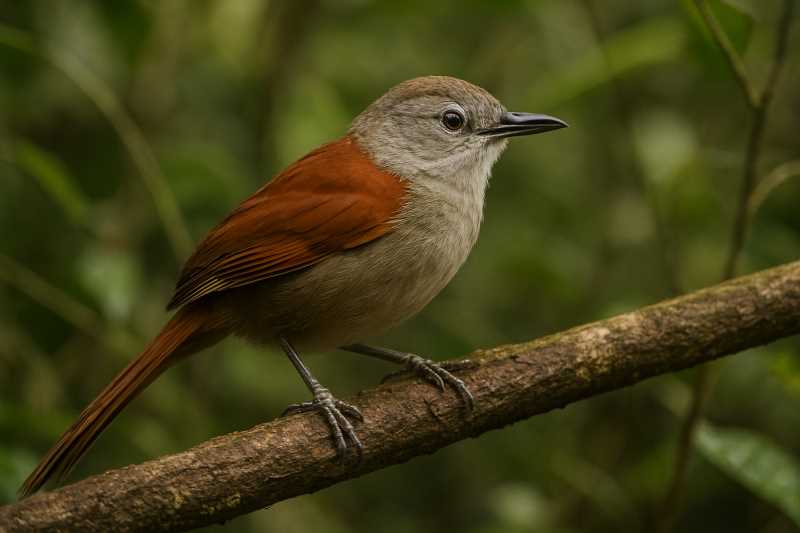
The Plain-crowned Spinetail measures approximately 16 to 18 centimeters in length and exhibits a relatively dull plumage compared to other species in its genus. Its upperparts are primarily brown with faint streaking, while its underparts are a lighter buff color. The species gets its name from its plain, unadorned crown, which contrasts with the more ornate crowns of related species. Despite its subtle coloring, the Plain-crowned Spinetail is often recognized by its distinctive call, a rapid series of notes that can be heard echoing through its habitat.
Habitat and Distribution
Native to South America, the Plain-crowned Spinetail inhabits a wide range of environments across the continent. Its range extends from Colombia and Venezuela in the north, through the Amazon Basin, and down to Bolivia and northern Argentina. The species favors lowland forests, especially those near water bodies such as rivers, streams, and wetlands. It is also found in secondary growth forests and can adapt to disturbed areas, provided there is sufficient vegetation cover.
The adaptability of the Plain-crowned Spinetail allows it to thrive in various habitats, from dense Amazonian rainforests to the more open and dry savannas. This flexibility in habitat preference is a testament to the species’ resilience and ecological importance.
Behavior and Diet
The Plain-crowned Spinetail is a diurnal bird, most active during the early morning and late afternoon hours. It is a solitary forager, often seen moving through the undergrowth in search of food. Its diet primarily consists of insects and other small invertebrates, which it gleans from leaves and branches.
The species exhibits a fascinating behavior known as “ant-following,” where it trails army ants to capture prey items flushed out by the ants’ movement. This behavior not only aids in feeding efficiency but also exemplifies the complex interspecies interactions within its ecosystem.
Reproduction and Nesting
Plain-crowned Spinetails are known for their elaborate nests, which they construct with great skill and precision. The nests are typically built in shrubs or low trees and consist of a bulky structure made of twigs and sticks, with a long entrance tunnel leading to a well-lined chamber where the eggs are laid.
Breeding occurs during the wet season, which varies depending on geographical location. The female typically lays two to three eggs, which both parents incubate. The chicks are altricial, hatching naked and blind, and require significant parental care until they fledge.
Conservation Status
Currently, the Plain-crowned Spinetail is classified as Least Concern by the International Union for Conservation of Nature (IUCN). Its wide distribution and adaptability contribute to its stable population numbers. However, habitat destruction and degradation, particularly due to deforestation and land conversion for agriculture, pose potential threats to its long-term survival.
Conservation efforts aimed at preserving natural habitats and promoting sustainable land-use practices are essential to ensure the continued existence of this species. Protected areas, such as national parks and reserves, play a crucial role in safeguarding the diverse ecosystems that the Plain-crowned Spinetail and countless other species depend on.
Conclusion
The Plain-crowned Spinetail, though understated in appearance, is a vibrant thread in the rich tapestry of South American biodiversity. Its adaptability and resilience highlight the intricate balance of ecosystems and the importance of conservation efforts to maintain this balance. As an emblem of ecological diversity, the Plain-crowned Spinetail serves as a reminder of the interconnectedness of life and the responsibility we bear to protect it.
For bird enthusiasts and conservationists, the Plain-crowned Spinetail offers a window into the complexity and beauty of avian life in the Neotropics. By understanding its behavior, habitat, and challenges, we can better appreciate and advocate for the preservation of these vital ecosystems.
Related posts