Introduction
The Indochinese Mountain Spiny Rat, known scientifically as Crunomys moi, is a fascinating rodent species that has piqued the interest of zoologists and wildlife enthusiasts alike. This elusive creature is part of the diverse and intriguing mammal fauna of Southeast Asia. Despite its relatively recent discovery, the Indochinese Mountain Spiny Rat holds crucial ecological roles in its habitat, contributing to the complex web of life in the region’s mountainous terrains. This article delves into various aspects of this species, including its physical characteristics, habitat preferences, behavior, and conservation status, offering a comprehensive overview of what makes this mammal unique.
Physical Description
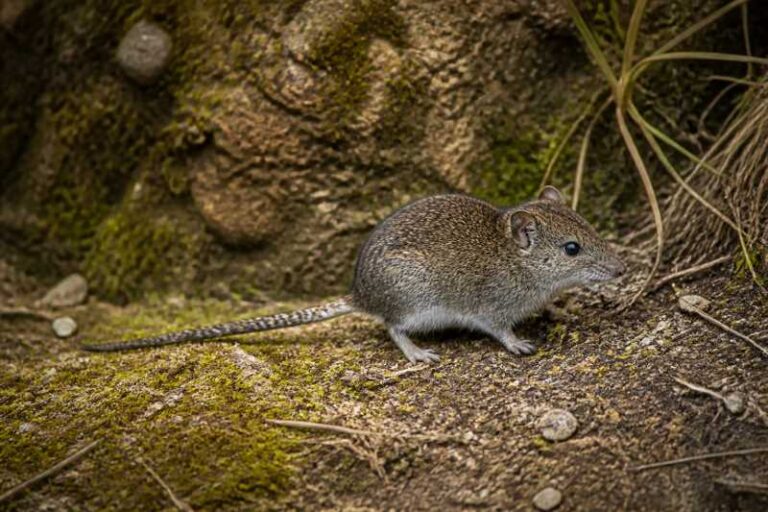
The Indochinese Mountain Spiny Rat is characterized by its distinctive spiny fur, which provides both protection and a means to navigate its forested environment. This medium-sized rodent typically measures between 18 to 22 centimeters in body length, with a tail that is slightly shorter than its body, adding another 15 to 20 centimeters. Its fur is a blend of brown and gray tones, with a denser and more spiny texture on the back, offering camouflage against the forest floor.
The head of the Indochinese Mountain Spiny Rat is marked by a pointed snout and large, round ears that are well adapted to detect predators and prey. Its eyes are relatively large, suggesting a nocturnal lifestyle. The limbs are robust, with forelimbs equipped with sharp claws for digging and climbing, while the hind limbs provide powerful propulsion for quick escapes.
Range and Habitat
Crunomys moi is endemic to the mountainous regions of Indochina, primarily found in the dense, evergreen forests across Vietnam, Laos, and parts of Thailand. These rats thrive in altitudes ranging from 500 to 2,000 meters above sea level, where they inhabit the forest floor and dense undergrowth.
Their habitat preference includes regions with ample leaf litter and fallen logs, which offer both food and protection. The moist, cool climate of these mountainous areas supports a diverse array of flora and fauna, providing the Indochinese Mountain Spiny Rat with a rich source of food and nesting materials.
Behavior and Diet
The Indochinese Mountain Spiny Rat is primarily nocturnal, foraging for food under the cover of darkness. Its diet is omnivorous, consisting of seeds, fruits, small invertebrates, and occasionally fungi. This varied diet not only sustains the rat but also plays a role in seed dispersal and pest control within its ecosystem.
Socially, these rats are relatively solitary, with interactions typically limited to mating periods. They communicate through a series of vocalizations and scent markings, which help establish territory and attract mates. Nesting usually occurs in burrows or hollow logs, where they can rear their young safely away from predators.
Identification Tips (Field Recognition Cues)
Recognizing the Indochinese Mountain Spiny Rat in the wild requires attention to several distinctive features:
- Spiny Fur: Look for the characteristic spiny texture of the fur, which is more pronounced on the back.
- Size and Shape: A medium-sized rodent with a relatively short tail compared to body length.
- Coloration: A mix of brown and gray, providing effective camouflage in leaf litter.
- Behavior: Primarily nocturnal, active during the night, often heard before seen due to rustling noises.
- Habitat: Found at higher elevations in dense, evergreen forests.
Conservation Status (with Threats and Protections)
The conservation status of the Indochinese Mountain Spiny Rat is currently not well-defined, primarily due to limited research and data. However, habitat loss due to deforestation and agricultural expansion poses significant threats. The encroachment of human activities has led to a decline in suitable habitats, which may impact their population numbers.
Conservation efforts are necessary to preserve these habitats and ensure the survival of the species. Protected areas and national parks in the region play a critical role in providing refuge for the Indochinese Mountain Spiny Rat. Continued research and monitoring are essential to fully understand their ecological needs and implement effective conservation strategies.
Frequently Asked Questions
What is the Indochinese Mountain Spiny Rat’s scientific name?
The Indochinese Mountain Spiny Rat is scientifically named Crunomys moi. It belongs to the family Muridae, which encompasses a wide variety of rodent species.
Where can I find the Indochinese Mountain Spiny Rat in the wild?
This species is primarily found in the mountainous regions of Vietnam, Laos, and Thailand, inhabiting dense evergreen forests at altitudes ranging from 500 to 2,000 meters.
What does the Indochinese Mountain Spiny Rat eat?
The diet of the Indochinese Mountain Spiny Rat is omnivorous, consisting of seeds, fruits, small invertebrates, and sometimes fungi, reflecting their ecological role in seed dispersal and pest control.
How does the Indochinese Mountain Spiny Rat adapt to its environment?
Its spiny fur provides protection and camouflage, while its nocturnal nature helps avoid predators. Sharp claws enable efficient climbing and digging, aiding in food acquisition and nesting.
What are the main threats to the Indochinese Mountain Spiny Rat?
The primary threats include habitat loss due to deforestation and agricultural expansion. Conservation efforts are crucial to mitigate these impacts and protect their natural habitat.
Related posts