Introduction
The Montane Hill Rat, scientifically known as Bunomys penitus, is a fascinating yet lesser-known rodent species that inhabits the lush montane forests of Southeast Asia. This elusive creature plays a significant role in its ecosystem, contributing to seed dispersal and serving as a prey species for various predators. Understanding the Montane Hill Rat’s ecology, behavior, and conservation status is crucial for preserving the delicate balance of its natural habitat.
Physical Description
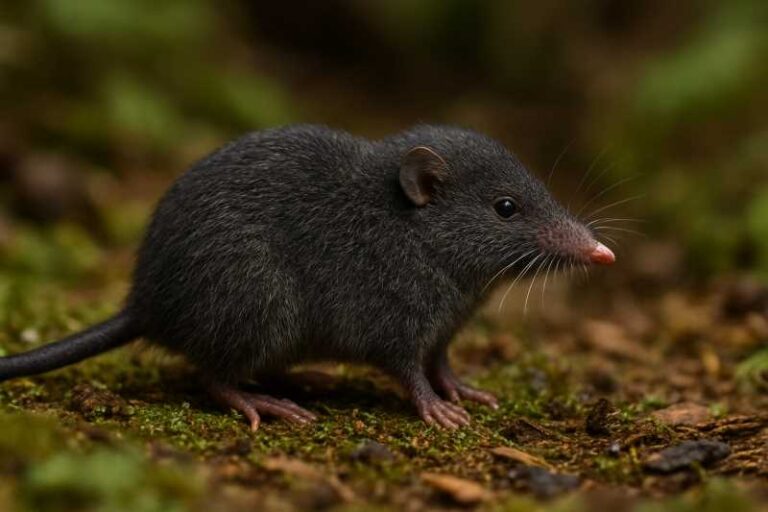
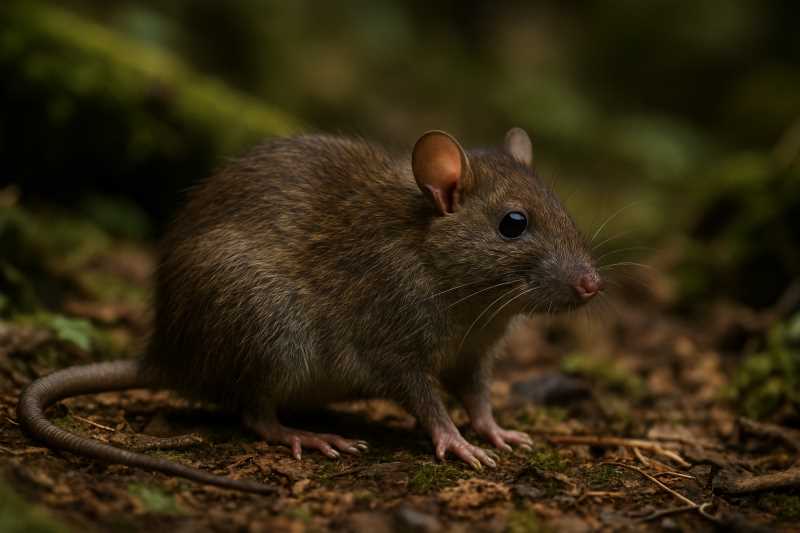
The Montane Hill Rat is a medium-sized rodent, distinguished by its robust body and unique physical characteristics. Adult individuals typically weigh between 100 to 150 grams, with a body length ranging from 12 to 18 centimeters, excluding the tail. Their tails, which are slightly shorter than their bodies, exhibit a distinctive bicolor pattern, dark above and pale below, providing an effective camouflage in their forest habitat.
Their fur is soft and dense, a vital adaptation for surviving in the cool montane climates. The dorsal fur is generally a dark brown to grayish hue, while the underparts are lighter, often a creamy white or light gray, aiding in thermoregulation. The Montane Hill Rat’s large, rounded ears and bright, beady eyes enhance its sensory capabilities, crucial for nocturnal activity.
Range and Habitat
Bunomys penitus is endemic to the islands of Sulawesi in Indonesia, where it thrives in the montane forests at elevations ranging from 1,000 to 3,000 meters. These forests are characterized by high humidity, dense undergrowth, and a rich diversity of flora, providing an ideal habitat for the Montane Hill Rat.
The species prefers areas with abundant leaf litter and fallen logs, which offer ample cover from predators and a plentiful supply of food resources. The complex forest structure also provides numerous nesting sites, often located in burrows or within dense vegetation.
Behavior and Diet
The Montane Hill Rat is primarily nocturnal, exhibiting peak activity during the night when it forages for food and engages in social interactions. Its diet is omnivorous, consisting of a variety of seeds, fruits, insects, and small invertebrates. This varied diet not only supports its nutritional needs but also aids in seed dispersal, contributing to forest regeneration.
Socially, Montane Hill Rats are relatively solitary, with individuals maintaining small home ranges. However, they may form loose associations when food resources are abundant. Communication among individuals is facilitated through vocalizations, scent markings, and tactile interactions, particularly during the breeding season.
Identification Tips (Field Recognition Cues)
Identifying the Montane Hill Rat in the field requires keen observation of several key characteristics:
- Size and Tail: Look for a medium-sized rodent with a tail slightly shorter than its body, featuring a bicolor pattern.
- Fur Coloration: Note the dark brown to grayish dorsal fur and lighter underparts.
- Habitat Preference: Focus on montane forest areas with dense vegetation and leaf litter.
- Nocturnal Activity: Observe activity patterns during nighttime hours.
Conservation Status (with Threats and Protections)
The conservation status of the Montane Hill Rat is currently classified as Least Concern by the International Union for Conservation of Nature (IUCN). However, the species faces several threats that could impact its population in the future.
Threats
- Habitat Loss: Deforestation for agriculture and logging poses a significant threat to the Montane Hill Rat’s habitat.
- Climate Change: Altered weather patterns could affect the montane ecosystems, impacting food availability and habitat conditions.
Protections
Efforts to conserve the Montane Hill Rat focus on protecting its montane forest habitat. Initiatives include:
- Protected Areas: Establishing and managing national parks and reserves in Sulawesi to safeguard critical habitats.
- Sustainable Practices: Promoting sustainable land-use practices among local communities to reduce deforestation.
- Research and Monitoring: Conducting ecological research and population monitoring to inform conservation strategies.
Frequently Asked Questions
What is the diet of the Montane Hill Rat?
The Montane Hill Rat is omnivorous, feeding on seeds, fruits, insects, and small invertebrates. Its diverse diet supports its ecological role in seed dispersal and forest regeneration.
Where can the Montane Hill Rat be found?
This species is endemic to Sulawesi, Indonesia, where it inhabits montane forests at elevations of 1,000 to 3,000 meters. It prefers areas with dense vegetation and abundant leaf litter.
How does the Montane Hill Rat contribute to its ecosystem?
As a seed disperser, the Montane Hill Rat plays a crucial role in forest regeneration. Its foraging activities aid in the distribution of seeds, promoting plant diversity and ecological balance.
What are the main threats to the Montane Hill Rat?
The primary threats include habitat loss due to deforestation and the impacts of climate change, both of which could alter the montane ecosystems they rely on for survival.
How can we help protect the Montane Hill Rat?
Supporting conservation efforts, such as establishing protected areas and promoting sustainable land-use practices, can help preserve the Montane Hill Rat’s habitat and ensure its continued survival.
Related posts