
Introduction
The Burrowing Vole (Hyperacrius fertilis) is a small mammal that plays a crucial role in the ecosystems it inhabits. Known for its burrowing habits, this vole contributes to soil aeration and seed dispersal, making it an integral part of its habitat. Found primarily in mountainous regions, the Burrowing Vole is a species that often goes unnoticed due to its elusive nature and underground lifestyle. This article delves into the various aspects of this fascinating creature, from its physical characteristics to its conservation status, providing a comprehensive overview for enthusiasts and researchers alike.
Physical Description
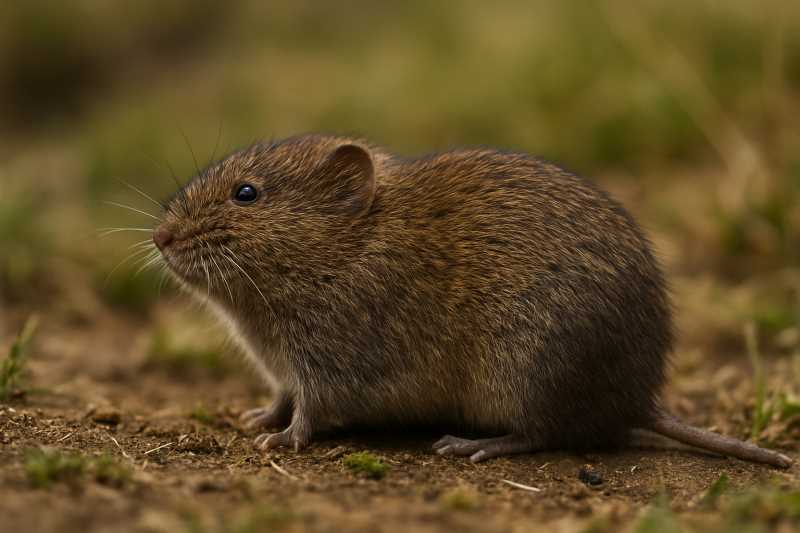
The Burrowing Vole is a small rodent, typically measuring between 10 to 12 centimeters in length, with a tail that adds an additional 3 to 4 centimeters. It possesses a compact, robust body, adapted for life underground. Its fur is generally a dark brown color, which provides excellent camouflage against the soil and vegetation of its habitat. The underside is usually a lighter shade, often grey or tan.
The vole’s head is rounded, with small ears that are often hidden within its fur. Its eyes are small, yet keen, adapted to low-light conditions encountered underground. The vole’s incisors are strong and continuously growing, suited for gnawing on tough plant material. Its forelimbs are short but powerful, equipped with long claws for efficient digging.
Range and Habitat
Hyperacrius fertilis is predominantly found in the mountainous regions of South Asia, with a range extending across various parts of the Himalayas. It thrives in alpine meadows, grasslands, and forest edges, where it can construct its elaborate burrow systems. The vole prefers areas with loose, well-drained soils that facilitate easy digging.
The species is adaptable to different altitudes, ranging from lower montane zones to higher alpine regions. However, it is often most abundant in areas with dense vegetation cover, which provides both food and protection from predators.
Behavior and Diet
The Burrowing Vole is primarily nocturnal, spending most of the day within the safety of its burrow. These burrows are complex, with multiple entrances and exits, serving as protection against predators and harsh weather conditions.
The diet of Hyperacrius fertilis consists mainly of roots, tubers, and other underground plant parts. It also feeds on grasses, seeds, and occasionally insects. This diverse diet allows the vole to thrive in various environments, as it can exploit a range of food resources.
Social interactions among Burrowing Voles are limited, with individuals generally leading solitary lives except during the breeding season. Mating occurs in the spring and summer months, with females giving birth to litters of 3 to 6 young after a gestation period of about three weeks.
Identification Tips
Field recognition of the Burrowing Vole involves observing several key characteristics:
- Size and Shape: Look for a small, robust rodent with a short tail.
- Fur Coloration: Note the dark brown fur with a lighter underside, aiding in camouflage.
- Burrow Systems: Identify areas with multiple small burrow entrances, indicative of vole activity.
- Behavior: Observe nocturnal activity patterns, as these voles are primarily active at night.
- Habitat: Focus on alpine meadows and grasslands with dense vegetation.
Conservation Status
The Burrowing Vole is currently classified as a species of Least Concern on the IUCN Red List. However, its populations are subject to various threats that could impact its status in the future.
Threats
- Habitat Loss: Agricultural expansion and deforestation are reducing available habitats for the vole.
- Climate Change: Alterations in climate patterns can affect the vole’s habitat, especially in alpine regions.
- Predation: Natural predators include birds of prey, foxes, and other carnivorous mammals.
Protections
Conservation measures include protecting habitats through the establishment of reserves and national parks. Efforts to mitigate climate change impacts and control agricultural encroachment are also crucial.
Frequently Asked Questions
What is the primary diet of the Burrowing Vole?
The Burrowing Vole primarily feeds on roots, tubers, and grasses, supplemented by seeds and insects.
How can I identify a Burrowing Vole in the wild?
Identify a Burrowing Vole by its small size, dark brown fur, short tail, burrowing behavior, and preference for alpine meadows.
Where are Burrowing Voles commonly found?
Burrowing Voles are commonly found in the mountainous regions of South Asia, particularly in the Himalayas, within alpine meadows and grasslands.
What threats do Burrowing Voles face?
Threats include habitat loss due to agriculture, climate change, and predation by natural predators like birds of prey.
Are Burrowing Voles a protected species?
While not currently endangered, Burrowing Voles benefit from habitat protections within reserves and national parks.
Related posts


