Introduction
The Moche Big-eared Brown Bat, scientifically known as Histiotus mochica, is a fascinating mammalian species within the diverse and ecologically significant bat family. Named after the ancient Moche culture of Peru, this bat species plays a crucial role in its ecosystem. With their distinctive physical traits, unique behaviors, and specific habitat preferences, these bats are a subject of interest for researchers and conservationists alike. This article delves into the physical characteristics, range, diet, behavior, and conservation status of the Moche Big-eared Brown Bat, providing a comprehensive overview of this intriguing species.
Physical Description
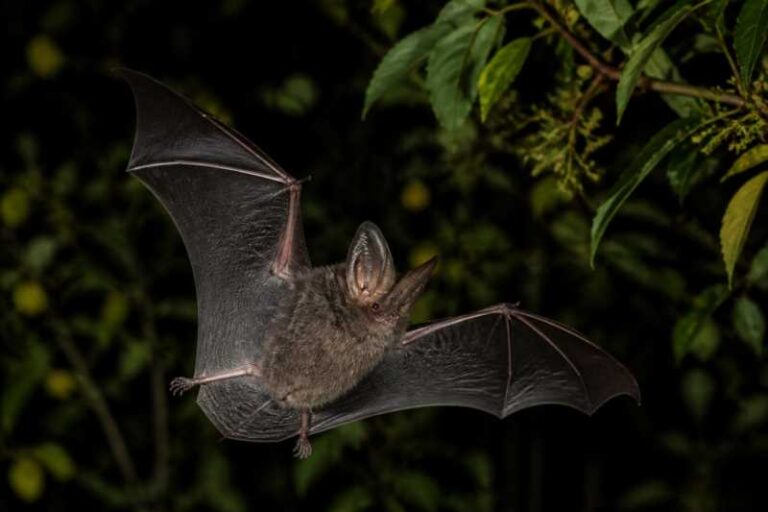
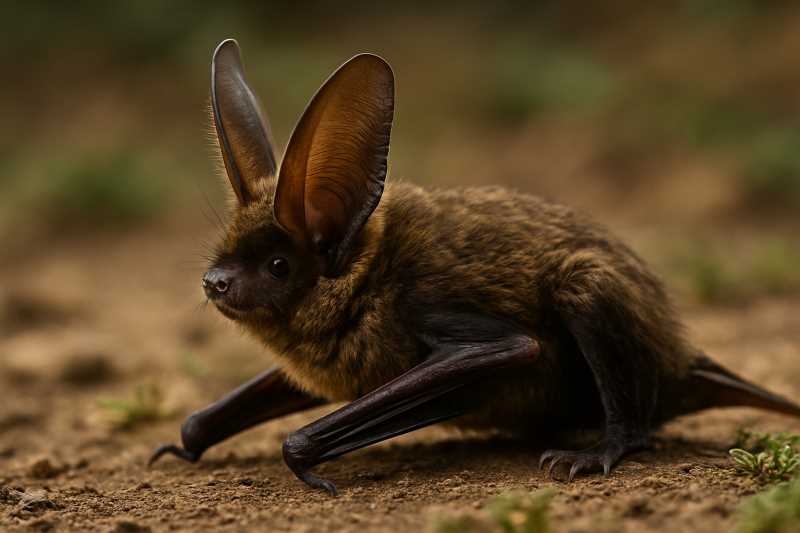
The Moche Big-eared Brown Bat is characterized by its medium-to-large size in comparison to other bats in the Histiotus genus. Adults typically have a forearm length ranging from 45 to 55 mm. One of the most striking features of this species is its large ears, which are not only lengthy but also broad, aiding significantly in echolocation. These ears are often a dark brown to black hue, contrasting slightly with the rest of the body.
The fur of the Moche Big-eared Brown Bat is predominantly brown, with a slight sheen that can appear more pronounced under specific lighting conditions. The dorsal fur is generally darker, while the ventral fur is lighter, helping in camouflage and temperature regulation. Their wings are long and narrow, designed for agile flight, and the wing membranes are a dark, almost black color, providing excellent contrast to their lighter fur.
Range and Habitat
The natural range of the Moche Big-eared Brown Bat is primarily concentrated along the western slopes of the Andes in Peru. This geographical range is closely associated with the bat’s preference for montane and cloud forests, which provide ample foraging and roosting opportunities. The habitat of these bats is typically characterized by dense vegetation, high humidity, and relatively stable temperatures.
While they are adapted to forest environments, Moche Big-eared Brown Bats are also known to inhabit agricultural areas, especially those that are in proximity to natural forests. This adaptability is crucial for their survival, especially in regions where deforestation and habitat fragmentation are prevalent.
Behavior and Diet
Moche Big-eared Brown Bats are nocturnal creatures, engaging in most of their activities under the cover of night. They are primarily insectivorous, relying on a diet that includes moths, beetles, and other small insects. Their large ears are not only a defining feature but also serve a vital function in locating prey through echolocation. This method involves emitting high-frequency sounds that bounce off objects, providing the bats with a sonic map of their surroundings.
Socially, these bats are known to roost in small colonies, often in tree hollows, caves, or man-made structures like barns and attics. Roosting in groups provides safety and helps maintain body heat during cooler temperatures. During the breeding season, which typically occurs in late spring, females give birth to a single pup, which is cared for diligently until it can fend for itself.
Identification Tips (Field Recognition Cues)
Identifying the Moche Big-eared Brown Bat in the field can be a rewarding challenge for bat enthusiasts and researchers. Here are some tips to aid in recognition:
- Ears: Look for the characteristically large and broad ears, which are a prominent feature of this species.
- Fur Color: Observe the brown fur with a lighter underside, which can help differentiate them from other bat species.
- Flight Pattern: Note their agile and rapid flight patterns, which they utilize while hunting insects.
- Roosting Sites: Check common roosting areas such as tree hollows and caves, particularly in forested regions.
- Echolocation Calls: Use bat detectors to identify their specific echolocation frequency, which can be a distinguishing factor.
Conservation Status (With Threats and Protections)
The conservation status of the Moche Big-eared Brown Bat is currently listed as Near Threatened on the IUCN Red List. This status highlights several conservation challenges faced by the species, including habitat loss due to deforestation, agricultural expansion, and urbanization. These factors contribute to the fragmentation of their natural habitat, making it increasingly difficult for the bats to find suitable roosting and foraging sites.
In response to these threats, conservation efforts have been implemented to protect the habitats of the Moche Big-eared Brown Bat. Protected areas and national parks within Peru’s Andean regions play a critical role in preserving the natural environment necessary for their survival. Moreover, public awareness campaigns and research initiatives are being conducted to better understand the ecological needs of this species and to promote coexistence with human activities.
Frequently Asked Questions
What makes the Moche Big-eared Brown Bat different from other bat species?
The Moche Big-eared Brown Bat is distinguished by its large ears, adapted for enhanced echolocation, and its specific habitat preferences along the Andean slopes. Its unique physical and behavioral traits set it apart from other bats within the Histiotus genus.
Where can one typically find the Moche Big-eared Brown Bat?
These bats are primarily found in the montane and cloud forests of western Peru. They may also inhabit agricultural areas near these forests, demonstrating some adaptability to altered habitats.
How does the Moche Big-eared Brown Bat contribute to its ecosystem?
As insectivores, these bats play a crucial role in controlling insect populations, thereby contributing to the balance of their ecosystems. Their presence also indicates a healthy forest environment.
What are the biggest threats to the Moche Big-eared Brown Bat?
The primary threats include habitat destruction due to deforestation, agricultural encroachment, and urban development. These activities lead to habitat fragmentation, posing significant risks to their survival.
What conservation measures are in place for the Moche Big-eared Brown Bat?
Conservation efforts include habitat protection through the establishment of protected areas and national parks. Research and public awareness initiatives also aim to mitigate the impact of human activities on their habitats.
Related posts