Introduction
The Delta Bonneted Bat, scientifically known as Eumops delticus, is a captivating mammalian species belonging to the family Molossidae. This species is notable for its distinctive features and ecological significance. Despite being less commonly known than some of its chiropteran counterparts, the Delta Bonneted Bat holds a vital role in the ecosystems it inhabits, contributing to both pest control and seed dispersion. This article delves into the intriguing aspects of the Delta Bonneted Bat, exploring its physical characteristics, habitat preferences, behaviors, conservation status, and more.
Physical Description
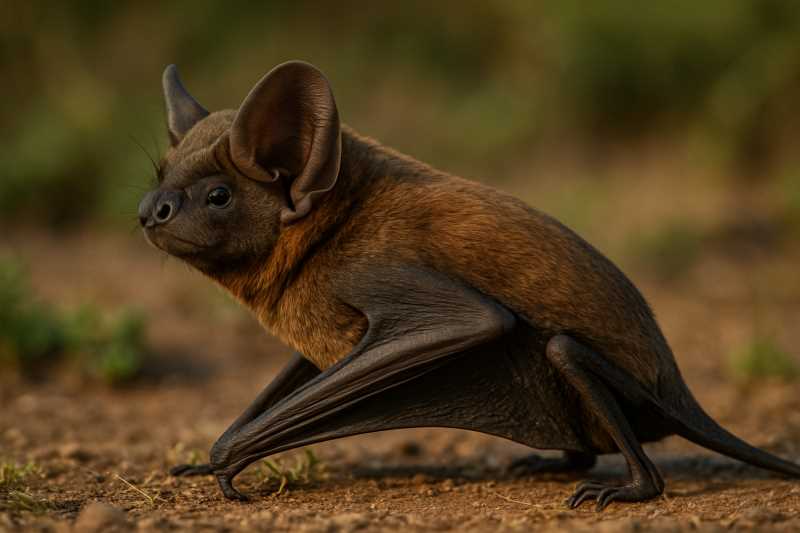
The Delta Bonneted Bat is a medium-sized bat characterized by its robust build and remarkable wingspan, which typically ranges from 40 to 50 centimeters. Its fur is generally short and densely packed, with a coloration that varies from dark brown to a lighter grayish hue, providing effective camouflage within its natural habitat.
A distinctive feature of the Delta Bonneted Bat is its broad, rounded ears, which contribute to its name. These ears, along with a short, blunt snout and large eyes, offer the bat a keen sense of hearing and vision, essential for nocturnal navigation and hunting. The species is further distinguished by its elongated forearms and a tail that extends beyond the uropatagium, a membrane connecting the bat’s hind limbs.
Range and Habitat
Eumops delticus is predominantly found in the delta regions of South America, with its range extending across parts of Brazil, Argentina, and Paraguay. This species favors lowland tropical and subtropical forests, often roosting in tree hollows, rock crevices, and occasionally in man-made structures such as bridges and buildings.
The Delta Bonneted Bat exhibits a preference for habitats that offer ample foraging opportunities and shelter. Its presence is often indicative of healthy, biodiverse ecosystems, as the species thrives in environments that support a rich variety of insect life.
Behavior and Diet
The Delta Bonneted Bat is predominantly nocturnal, emerging at dusk to embark on foraging expeditions. It is an adept aerial hunter, relying on echolocation to navigate and capture prey. Its diet primarily consists of insects, including moths, beetles, and other flying invertebrates, making it an essential component of pest control within its habitat.
Socially, the Delta Bonneted Bat exhibits complex roosting behaviors, often forming small colonies that facilitate communication and cooperative hunting strategies. These colonies are typically composed of both male and female bats, although some segregation based on sex and age may occur outside the breeding season.
Identification Tips (Field Recognition Cues)
Identifying the Delta Bonneted Bat in the field requires attention to several key characteristics:
- Ears and Snout: Look for broad, rounded ears and a short, blunt snout, which are distinguishing features of this species.
- Fur Coloration: Observe the color of the bat’s fur, which can range from dark brown to gray, aiding in camouflage.
- Wingspan and Flight: Note the bat’s robust wingspan and agile flight patterns, characteristic of its hunting style.
- Tail Length: The tail extends beyond the uropatagium, a helpful cue in differentiating it from similar species.
Conservation Status (With Threats and Protections)
The conservation status of the Delta Bonneted Bat is currently listed as "Data Deficient" by the International Union for Conservation of Nature (IUCN), indicating a need for further research to accurately assess population trends and threats. However, several factors pose potential risks to the species:
- Habitat Loss: Deforestation and land conversion for agriculture are significant threats, reducing available roosting and foraging areas.
- Pollution: Pesticide use can diminish insect populations and contaminate food sources, impacting the bat’s health and survival.
- Climate Change: Alterations in climate patterns may affect habitat suitability and food availability.
Conservation efforts are crucial to mitigate these threats. Strategies include the preservation of natural habitats, the implementation of sustainable land-use practices, and the promotion of research initiatives to enhance our understanding of the species’ ecology.
Frequently Asked Questions
1. What does the Delta Bonneted Bat eat?
The Delta Bonneted Bat primarily consumes insects, such as moths and beetles. Its role as an insectivore makes it crucial for controlling pest populations in its habitat.
2. Where can the Delta Bonneted Bat be found?
This species is native to the delta regions of South America, particularly in Brazil, Argentina, and Paraguay, where it inhabits lowland tropical and subtropical forests.
3. How does the Delta Bonneted Bat contribute to its ecosystem?
The Delta Bonneted Bat plays a significant role in pest control by preying on insects. Additionally, it aids in seed dispersion, contributing to plant diversity and ecosystem health.
4. Is the Delta Bonneted Bat endangered?
The conservation status of the Delta Bonneted Bat is currently "Data Deficient," indicating insufficient information to determine its risk of extinction. However, habitat loss and environmental threats could potentially impact its populations.
5. How can we help protect the Delta Bonneted Bat?
Protective measures include conserving forest habitats, reducing pesticide use, and supporting research to better understand the species and its ecological needs.
Related posts