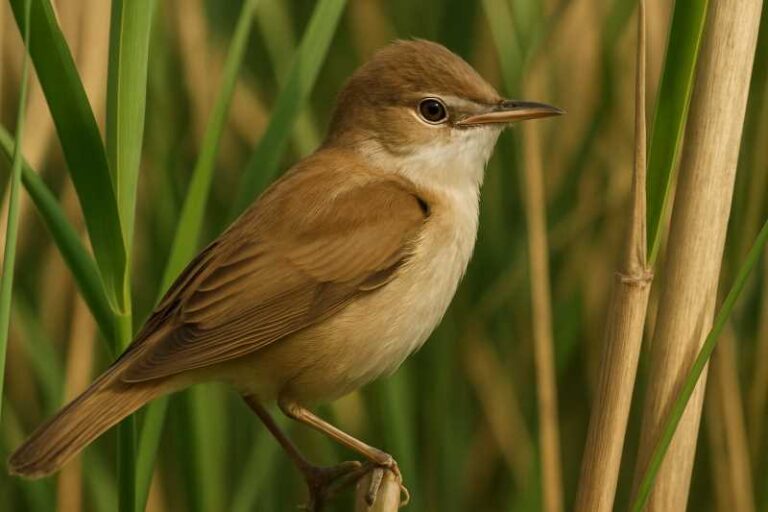
The Giant Hummingbird: Nature’s Astonishing Aerial Marvel
The world of hummingbirds is often associated with tiny, iridescent creatures flitting about with a speed and agility that defy their size. However, the Giant Hummingbird (Patagona gigas) stands apart, challenging conventional perceptions with its remarkable size, unique behaviors, and distinctive ecological role. As the largest member of the hummingbird family, this avian marvel captivates ornithologists and bird enthusiasts alike.
An Overview of Patagona gigas
The Giant Hummingbird is native to the Andean regions of South America, with its range extending from Ecuador and Peru through Bolivia, Argentina, and into Chile. Preferring habitats that range from arid scrublands to high-altitude cloud forests, these birds can be found at elevations between 2,000 and 4,000 meters. Their adaptability to varied environments underscores their evolutionary success.
This species stands out due to its impressive size. Measuring approximately 21 to 23 centimeters in length, with a wingspan reaching up to 30 centimeters, the Giant Hummingbird’s size is unparalleled in the hummingbird family. Its weight ranges from 18 to 20 grams, making it significantly heftier than its petite relatives.
Physical Characteristics and Flight
Despite its larger size, the Giant Hummingbird retains the elegant, streamlined physique typical of its family. Its plumage is less vibrant than many of its iridescent kin, featuring earthy tones that include olive green and brown. The underparts are lighter, often exhibiting a grayish hue, while the tail and wings possess subtle hints of white or cinnamon.
The flight of Patagona gigas is a sight to behold. Unlike smaller hummingbirds, which flap their wings at astonishing rates up to 80 beats per second, the Giant Hummingbird’s wingbeat is markedly slower, averaging around 10 to 15 beats per second. This deliberate, almost languid wingbeat creates an illusion of serene gracefulness as it hovers and maneuvers through its environment. This slower wingbeat also contributes to its more energy-efficient flight, allowing it to cover greater distances in search of food.
Diet and Feeding Habits
The Giant Hummingbird’s diet primarily consists of nectar, which it sources from a variety of flowering plants. It plays a vital role in pollination, often visiting tubular flowers that are specially adapted to accommodate its long bill and tongue. These interactions are mutually beneficial, with the bird receiving nourishment while facilitating the reproductive processes of the plants.
In addition to nectar, the Giant Hummingbird supplements its diet with small insects and spiders. These sources of protein are crucial, particularly during breeding periods when nutritional demands increase. The bird’s ability to exploit diverse food resources is a testament to its adaptability and ecological significance.
Breeding and Life Cycle
Breeding behaviors of the Giant Hummingbird are a fascinating aspect of its life cycle. The breeding season generally coincides with periods of flower abundance, ensuring ample food supply for the offspring. Males engage in complex aerial displays to attract females, showcasing their prowess and agility despite their size.
Females are solely responsible for nest building and rearing the young. The nest, typically constructed from plant material and spider silk, is a marvel of avian architecture, providing a secure environment for the eggs and, later, the chicks. The female lays two eggs per clutch, and incubation lasts about 16 to 19 days. Once hatched, the chicks are cared for by the mother until they fledge, which occurs approximately three weeks post-hatching.
Conservation and Threats
While the Giant Hummingbird is not currently listed as endangered, its population faces threats from habitat loss and climate change. The conversion of natural habitats into agricultural land and urban areas can disrupt their feeding and breeding grounds. Additionally, climate change poses a significant risk by altering the distribution of flowering plants and affecting the availability of food resources.
Conservation efforts are essential to ensure the survival of this remarkable species. Protecting its natural habitat, promoting sustainable land use practices, and supporting research initiatives are crucial steps in safeguarding the Giant Hummingbird’s future.
Conclusion
The Giant Hummingbird is a testament to nature’s diversity and resilience. Its unique adaptations, ecological roles, and captivating behaviors make it a subject of endless fascination. By understanding and appreciating the intricacies of this extraordinary species, we can better advocate for its conservation and the preservation of the ecosystems it inhabits.
The study of Patagona gigas not only enriches our knowledge of avian biology but also inspires a deeper appreciation for the natural world and the delicate balances that sustain it. As stewards of the planet, it is incumbent upon us to protect these wonders for future generations to marvel at and cherish.
Related posts