Introduction
The Large Flying Fox, scientifically known as Pteropus vampyrus, is one of the most fascinating and largest species of bats in the world. Known for its impressive wingspan and frugivorous diet, the Large Flying Fox is an integral part of the ecosystems it inhabits, playing a crucial role in seed dispersal and pollination. This article delves into the various aspects of this remarkable mammal, from its physical characteristics to its behavior, habitat, and conservation status.
Physical Description
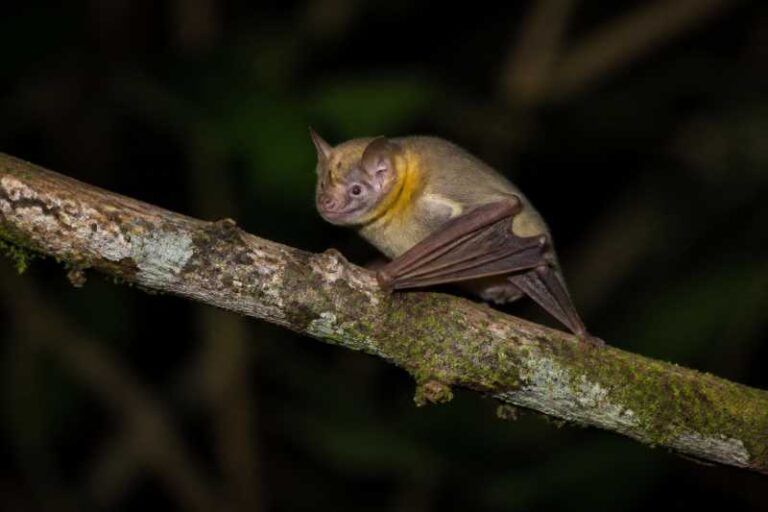
The Large Flying Fox is aptly named due to its significant size. It boasts a wingspan that can reach up to 1.5 meters (almost 5 feet), making it one of the largest bats globally. Unlike many bat species, the Large Flying Fox lacks a tail and has a fox-like face, which is where it derives its common name. Its fur is typically a rich, dark brown, with lighter shades around the neck and head, giving it a distinctive, majestic appearance.
The body length of the Large Flying Fox ranges from 27 to 32 centimeters (about 10.6 to 12.6 inches), and it weighs between 0.6 to 1.1 kilograms (1.3 to 2.4 pounds). Its eyes are large, adapted for nocturnal vision, and it possesses a keen sense of smell, essential for locating its primary food sources.
Range and Habitat
The Large Flying Fox is native to Southeast Asia, including countries such as Indonesia, Malaysia, the Philippines, and Thailand. It prefers coastal and mangrove forests, as well as primary and secondary forests. These bats are often found roosting in large colonies in tree canopies, which provide protection from predators and harsh weather conditions.
Due to its dependence on specific habitats, the Large Flying Fox is particularly sensitive to habitat destruction caused by deforestation and urban expansion. Conservation efforts are vital to preserving the environments these bats rely on for survival.
Behavior and Diet
The Large Flying Fox is primarily nocturnal, emerging at dusk to forage for food. Its diet mainly consists of fruits, such as figs, bananas, and mangoes, but it also consumes nectar and flowers. This diet categorizes it as a frugivore and places it as an essential agent of seed dispersal and pollination in its ecosystem.
These bats are social animals, often seen roosting in large groups, known as camps, which can number in the thousands. Communication within these colonies is primarily through vocalizations, which play a role in maintaining social structure and cohesion.
Identification Tips (field recognition cues)
Identifying the Large Flying Fox in the field can be a thrilling experience for wildlife enthusiasts. Here are some tips:
- Size and Shape: Look for a large bat with a wingspan of up to 1.5 meters, exhibiting a fox-like face without a tail.
- Coloration: Notice the dark brown fur with lighter patches around the neck and head.
- Roosting Habits: These bats are often found in tall tree canopies within large colonies.
- Behavior: They are active at dusk and during the night, usually feeding on fruits and occasionally seen gliding gracefully through the air.
Conservation Status (with threats and protections)
The Large Flying Fox is currently listed as Near Threatened on the IUCN Red List. The primary threats to its survival include habitat destruction, hunting for bushmeat, and persecution due to perceived competition with fruit crops.
Efforts to protect the Large Flying Fox involve habitat preservation, legal protection from hunting, and public education to reduce human-bat conflicts. Some countries have established protected areas and wildlife sanctuaries to conserve these vital creatures.
Frequently Asked Questions
1. What is the role of the Large Flying Fox in its ecosystem?
The Large Flying Fox plays a crucial role in maintaining the health of its ecosystem through seed dispersal and pollination. By feeding on fruits and flowers, they help regenerate forests and maintain plant biodiversity.
2. Are Large Flying Foxes dangerous to humans?
No, Large Flying Foxes are not dangerous to humans. They are gentle creatures with no interest in attacking people. However, like all wild animals, they should be observed from a distance to ensure their safety and yours.
3. How can I help in the conservation of Large Flying Foxes?
Supporting conservation organizations, advocating for habitat protection, and spreading awareness about the importance of bats in ecosystems are effective ways to aid in the conservation of Large Flying Foxes.
4. Why are Large Flying Foxes hunted?
Large Flying Foxes are hunted primarily for bushmeat and due to conflicts with fruit farmers. Conservation efforts focus on mitigating these conflicts through education and alternative farming practices.
5. Do Large Flying Foxes migrate?
Some populations of Large Flying Foxes may migrate short distances in search of food, but they generally remain within their established range, relying on seasonal fruit availability.
Related posts