Heinrichs’ Wood Mouse: A Comprehensive Guide to Hylomyscus heinrichorum
Introduction
Heinrichs’ Wood Mouse, scientifically known as Hylomyscus heinrichorum, is a small but fascinating mammal species belonging to the family Muridae. This elusive species of rodent is found in the dense forests of Central Africa, where it plays a crucial role in the ecosystem. Despite its ecological significance, Heinrichs’ Wood Mouse remains relatively understudied, largely due to its remote habitat and elusive nature. This article aims to provide an in-depth exploration of this species, covering its physical characteristics, habitat, behavior, diet, and conservation status, while also offering tips for identification in the wild.
Physical Description
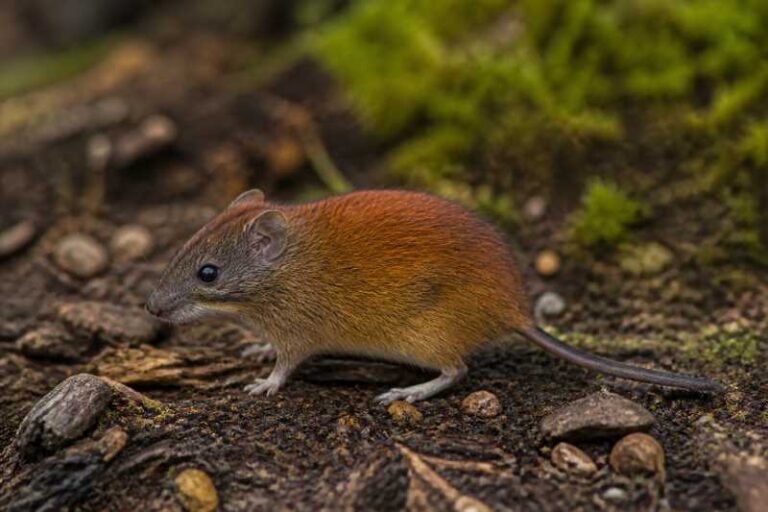
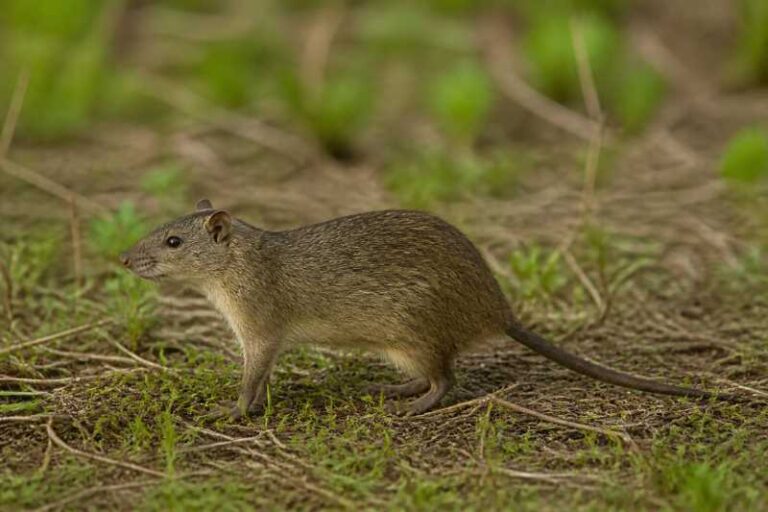
The Heinrichs’ Wood Mouse is a small rodent, typically measuring between 8 to 10 centimeters in body length, with a tail that is slightly longer than its body, ranging from 10 to 12 centimeters. The tail is prehensile, aiding in balance and movement through its arboreal habitat. Its fur is soft and dense, providing insulation against the moist, cooler climate of its forest home. The coloration of the fur is a key feature for identification, usually a blend of brown and gray on the dorsal side, with a lighter, often white or cream-colored, ventral side.
The head of Heinrichs’ Wood Mouse is relatively small, with large, dark eyes adapted for nocturnal activity. Its ears are rounded and moderately sized, providing acute hearing that is essential for detecting predators and navigating the dense forest environment. The whiskers are long and sensitive, serving as tactile sensors that help in maneuvering through dark and cluttered underbrush.
Range and Habitat
Heinrichs’ Wood Mouse is endemic to Central Africa, predominantly found in the tropical rainforests of countries such as Angola, Democratic Republic of the Congo, and potentially extending to adjacent regions. Its habitat is characterized by dense, moist forests with a rich canopy cover that allows for minimal sunlight penetration to the forest floor.
These mice are arboreal by nature, spending most of their time in the trees where they build nests in hollow trunks or branches. The forest floor, though less frequented, provides a diverse array of food resources that supplement their diet. The specific range of Heinrichs’ Wood Mouse is still being studied, but it is clear that they thrive in undisturbed, mature forests where ecological balance is maintained.
Behavior and Diet
Heinrichs’ Wood Mouse is primarily nocturnal, using the cover of darkness to forage and evade predators. Their activity patterns are closely tied to the availability of food resources, which include seeds, fruits, insects, and other small invertebrates. This varied diet not only supports their nutritional needs but also plays a role in seed dispersal, thus contributing to the forest’s ecological health.
Socially, these mice are relatively solitary, coming together primarily during the breeding season. Communication between individuals is facilitated through a combination of vocalizations, olfactory signals, and tactile interactions. Nesting behavior is another critical aspect of their lifestyle, with nests constructed from leaves and twigs, providing shelter and a place for rearing young.
Identification Tips
Identifying Heinrichs’ Wood Mouse in the field can be challenging due to their small size and elusive nature. Here are some tips to help with field recognition:
- Size and Tail: Look for a small rodent with a body length of 8-10 cm and a tail that is longer than its body.
- Fur Coloration: Note the brown-gray dorsal fur contrasted with a lighter, cream-colored belly.
- Habitat: Focus searches in dense, mature forests, particularly in areas with abundant tree cover.
- Behavior: Watch for nocturnal activity and arboreal movement, particularly in the early evening.
- Vocalizations: Listen for soft, high-pitched squeaks, especially during the breeding season.
Conservation Status
The conservation status of Heinrichs’ Wood Mouse is currently listed as Data Deficient by the International Union for Conservation of Nature (IUCN), primarily due to a lack of comprehensive data on its population trends and distribution. However, given its reliance on intact forest ecosystems, it is likely that deforestation and habitat fragmentation pose significant threats to its survival.
Efforts to conserve Heinrichs’ Wood Mouse would benefit from broader strategies aimed at preserving Central Africa’s rainforest habitats. Protected areas and sustainable forestry practices are essential for ensuring the survival of this species and the broader ecological community it supports. Further research is needed to better understand the specific needs and threats faced by Heinrichs’ Wood Mouse, enabling more targeted conservation actions.
Frequently Asked Questions
What do Heinrichs’ Wood Mice eat?
Heinrichs’ Wood Mice have a diverse diet that includes seeds, fruits, insects, and small invertebrates. This varied diet supports their nutritional needs and contributes to seed dispersal within their forest habitats.
Where can I find Heinrichs’ Wood Mouse in the wild?
These mice are found in the tropical rainforests of Central Africa, particularly in Angola and the Democratic Republic of the Congo. They thrive in dense, mature forests with a rich canopy cover.
How can I identify Heinrichs’ Wood Mouse?
Look for a small rodent with brown-gray dorsal fur and a lighter ventral side, a long tail, and nocturnal, arboreal behavior in dense forest areas.
What is the conservation status of Heinrichs’ Wood Mouse?
Heinrichs’ Wood Mouse is listed as Data Deficient by the IUCN, indicating a need for further research to assess its population trends and distribution. Deforestation and habitat fragmentation are potential threats.
Why is Heinrichs’ Wood Mouse important to the ecosystem?
This species plays a crucial role in seed dispersal and maintaining forest health, which in turn supports a diverse array of plant and animal life.
Related posts