Introduction
Wagner’s Harvest Mouse, scientifically known as Reithrodontomys wagneri, is a fascinating yet relatively understudied species within the Cricetidae family. Commonly found in the grasslands and forests of Central America, this small rodent plays a vital role in its ecosystem. Despite its understated presence, Wagner’s Harvest Mouse contributes significantly to seed dispersion and soil aeration. This article will delve into various aspects of this species, from its physical characteristics to its conservation status, aiming to enhance the understanding and appreciation of this remarkable mammal.
Physical Description
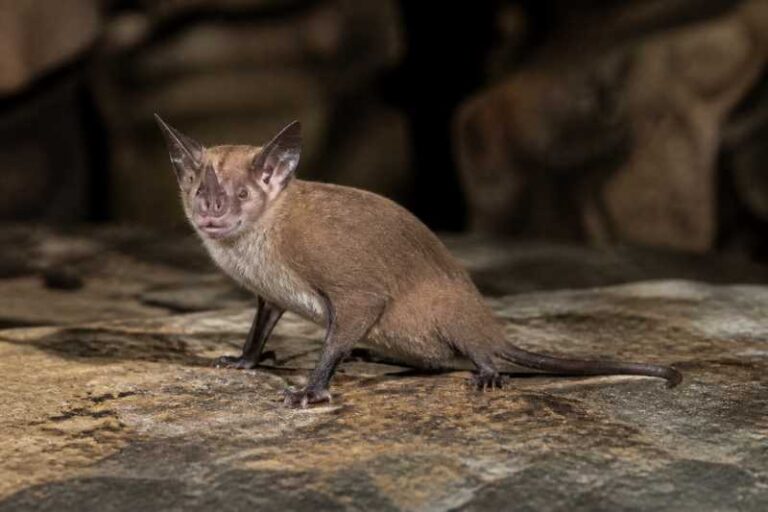
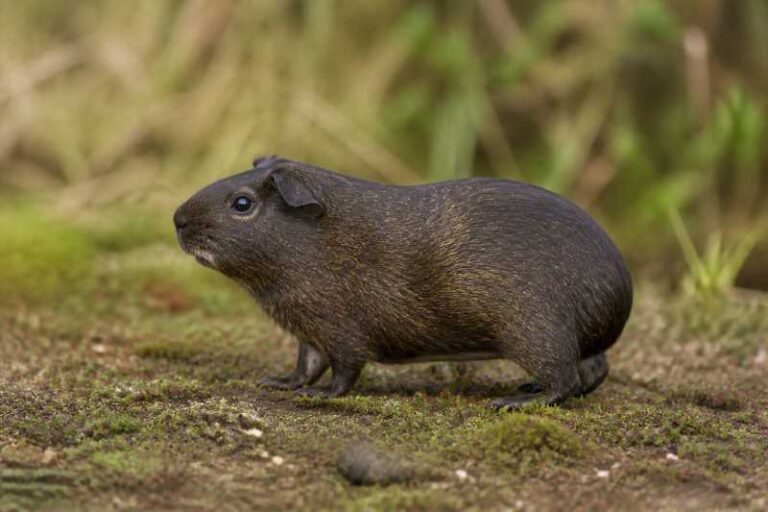
Wagner’s Harvest Mouse is a small rodent characterized by its agile body and distinct coloration. On average, these mice measure about 10 to 13 centimeters in length, including their tail, which accounts for nearly half of their total length. The weight of Reithrodontomys wagneri typically ranges from 10 to 15 grams.
The fur of Wagner’s Harvest Mouse is predominantly a tawny brown, allowing it to blend seamlessly into its natural habitat. The ventral side is usually lighter, ranging from pale gray to white, which provides a subtle contrast. This mouse has large, dark eyes that are well-adapted to low-light conditions, aiding in its nocturnal lifestyle.
A distinctive feature of this species is its semi-prehensile tail, which is sparsely furred and well-suited for balancing while navigating through dense vegetation. The ears are moderately large and rounded, further enhancing its hearing capabilities, crucial for predator avoidance and communication.
Range and Habitat
Wagner’s Harvest Mouse is primarily found in Central America, with its range extending from southern Mexico through parts of Guatemala and Honduras. This species thrives in a variety of habitats, including tropical forests, shrublands, and grasslands.
The mouse prefers areas with dense ground cover, which provides both food resources and protection from predators. It is often found in regions with abundant grasses and shrubs, which are essential for its feeding and nesting habits. The adaptability of Reithrodontomys wagneri to different environments highlights its ecological versatility and resilience.
Behavior and Diet
Wagner’s Harvest Mouse is predominantly nocturnal, meaning it is most active during the night. This behavior reduces the risk of predation and allows the mouse to exploit food resources effectively. Its diet is primarily herbivorous, consisting of seeds, fruits, and occasionally insects.
This species is known for its excellent climbing abilities, which it utilizes to forage for food and escape from predators. The semi-prehensile tail aids in climbing and balancing among branches and tall grass. Wagner’s Harvest Mouse is also a solitary creature, with individuals typically occupying small, overlapping territories.
Reproductive behavior in Reithrodontomys wagneri is seasonal, with breeding occurring during the wet months when food resources are abundant. Females give birth to litters of two to four young, which are weaned within a few weeks and quickly become independent.
Identification Tips
Identifying Wagner’s Harvest Mouse in the field can be challenging due to its small size and elusive nature. However, several key features can aid in its recognition:
- Size and Shape: Look for a small rodent with a slender body and a long, sparsely furred tail.
- Coloration: Note the tawny brown fur on the dorsal side and lighter ventral side.
- Behavior: Observe nocturnal activity and adept climbing skills.
- Habitat: Check areas with dense grass cover or shrubs, often near forest edges.
Conservation Status
Currently, Wagner’s Harvest Mouse is classified as a species of Least Concern by the International Union for Conservation of Nature (IUCN). However, its populations face several threats, primarily due to habitat destruction and fragmentation.
The expansion of agriculture, deforestation, and urban development are significant threats to its natural habitats. These activities reduce the availability of suitable living and feeding areas, leading to population declines in some regions.
Conservation efforts for Reithrodontomys wagneri focus on habitat protection and restoration. Establishing protected areas and promoting sustainable land-use practices are essential strategies to ensure the long-term survival of this species.
Frequently Asked Questions
What is the primary habitat of Wagner’s Harvest Mouse?
Wagner’s Harvest Mouse primarily inhabits tropical forests, shrublands, and grasslands in Central America, preferring areas with dense vegetation cover.
How does Wagner’s Harvest Mouse contribute to its ecosystem?
This mouse plays a crucial role in seed dispersion and soil aeration, which supports plant diversity and ecosystem health.
Are Wagner’s Harvest Mice endangered?
No, Wagner’s Harvest Mouse is currently classified as Least Concern. However, habitat loss poses a potential threat to its populations.
What do Wagner’s Harvest Mice eat?
Their diet mainly consists of seeds, fruits, and occasionally insects, making them primarily herbivorous.
How can I identify Wagner’s Harvest Mouse in the wild?
Look for a small rodent with tawny brown fur, a long tail, and nocturnal behavior in areas with dense grass or shrubs.
Related posts