The Buff-vented Bulbul (Iole crypta): A Comprehensive Insight into Its Ecology and Conservation
The avian world is filled with a plethora of species, each with its own unique characteristics and ecological importance. Among these, the Buff-vented Bulbul (Iole crypta) stands out not only for its distinct appearance but also for its role in the ecosystems it inhabits. This article delves into the life of the Buff-vented Bulbul, exploring its habitat, behavior, and the conservation efforts necessary to ensure its survival.
Taxonomy and Description
The Buff-vented Bulbul belongs to the family Pycnonotidae, a group of medium-sized passerine birds known for their melodious calls and versatile diets. Described scientifically as *Iole crypta*, this species was first identified in 1900, and since then, it has intrigued ornithologists and bird enthusiasts alike.
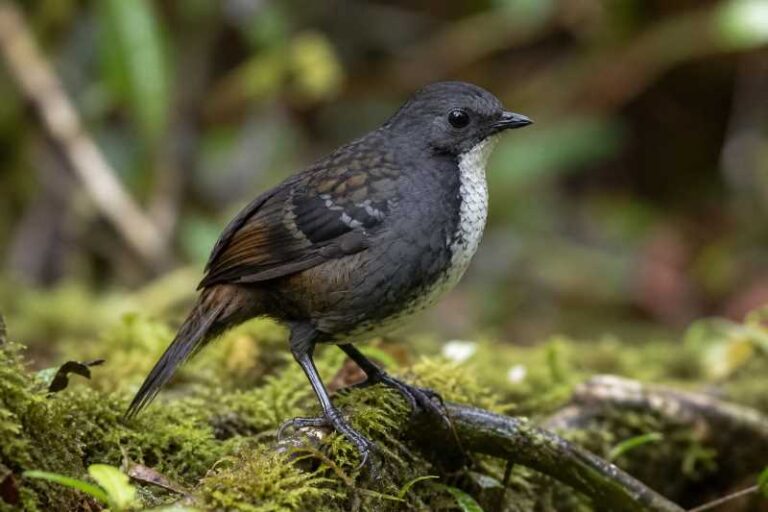
Physically, the Buff-vented Bulbul is a medium-sized bird, typically measuring between 18 to 20 centimeters in length. Its plumage is predominantly olive-brown, with a distinctive buff-colored vent that gives the species its common name. The bird’s underparts are slightly paler, while its head is adorned with subtle streaks. The eyes are a striking deep brown, providing a sharp contrast to its beak, which is short and stout.
Habitat and Distribution
The Buff-vented Bulbul is primarily found in Southeast Asia, with its range extending across parts of Thailand, Malaysia, and Indonesia. It thrives in humid lowland forests, preferring areas with dense foliage that provide ample cover and foraging opportunities. These birds are also known to inhabit secondary forests and plantations, showcasing their adaptability to altered landscapes.
The species’ preference for dense, tropical forests makes it an important indicator of forest health. As such, the presence of Buff-vented Bulbuls in a region often suggests a well-preserved ecosystem, rich in biodiversity.
Behavior and Diet
Buff-vented Bulbuls are social creatures, often seen in small flocks or family groups. They are known for their melodious and varied vocalizations, which serve as a means of communication within their social groups. These calls are not only crucial for maintaining group cohesion but also play a role in territory establishment and mate attraction.
In terms of diet, the Buff-vented Bulbul is omnivorous. It primarily feeds on fruits and small insects, playing a vital role in seed dispersal and pest control within its habitat. The bird’s feeding habits help maintain the ecological balance, promoting forest regeneration and biodiversity.
Breeding and Lifespan
The breeding season for the Buff-vented Bulbul varies depending on its geographical location, but it generally coincides with the onset of the rainy season. During this time, the availability of food increases, providing ample resources for raising young.
Nesting occurs in the dense undergrowth, where the female constructs a cup-shaped nest from twigs, leaves, and other plant materials. A typical clutch consists of two to three eggs, which are incubated by the female for approximately two weeks. Both parents participate in feeding the chicks, ensuring their rapid growth and development.
The Buff-vented Bulbul has a relatively long lifespan for a bird of its size, often living for up to 10 years in the wild. This longevity is attributed to its adaptability and the relative abundance of food within its habitat.
Conservation Status and Challenges
Currently, the Buff-vented Bulbul is classified as Least Concern by the International Union for Conservation of Nature (IUCN). However, this does not mean the species is free from threats. Habitat loss, primarily due to deforestation and land conversion for agriculture, poses a significant risk to its populations.
Additionally, illegal trapping for the pet trade has been documented, although it is not as prevalent as in other bird species. Conservation efforts are crucial to ensure the continued survival of the Buff-vented Bulbul. These efforts include habitat protection, reforestation initiatives, and the enforcement of wildlife protection laws.
The Importance of Conservation
The conservation of the Buff-vented Bulbul is not just about preserving a single species. It is about maintaining the health of tropical forest ecosystems, which are crucial for global biodiversity and climate regulation. Protecting this bird’s habitat helps safeguard countless other species that share the same environment.
Moreover, the Buff-vented Bulbul serves as an ambassador for environmental education. By raising awareness about this species, conservationists can highlight the broader issues of habitat loss and biodiversity decline, fostering a greater appreciation for the natural world.
In conclusion, the Buff-vented Bulbul is a remarkable species that embodies the beauty and complexity of tropical ecosystems. Its survival is intricately linked to the health of its forest habitat, underscoring the importance of conservation efforts aimed at preserving these vital ecosystems. By protecting the Buff-vented Bulbul, we are also safeguarding the future of our planet’s rich biodiversity.
Related posts