Introduction
The Red Arboreal Rice Rat, scientifically known as Oecomys rutilus, is a fascinating yet lesser-known mammal species belonging to the family Cricetidae. This elusive rodent primarily occupies the treetops of tropical forests in South America, where it plays a crucial role in the ecosystem. Despite its obscurity, the Red Arboreal Rice Rat is an important subject of study for ecologists and conservationists due to its unique adaptations and ecological niche.
Physical Description
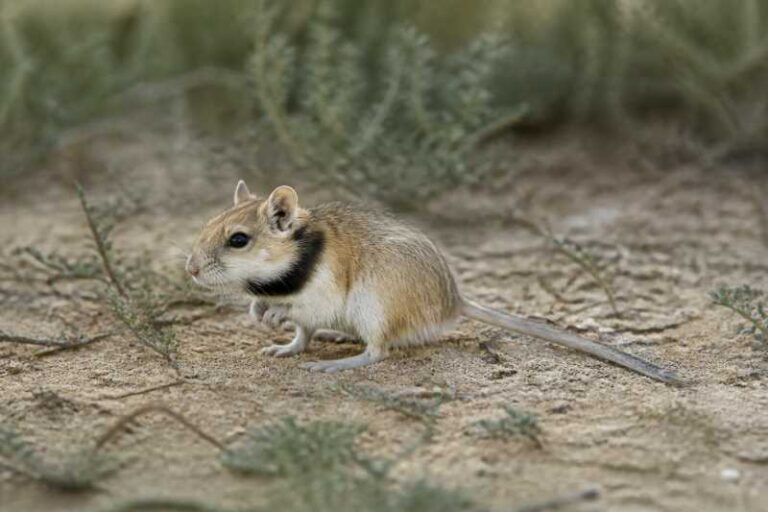
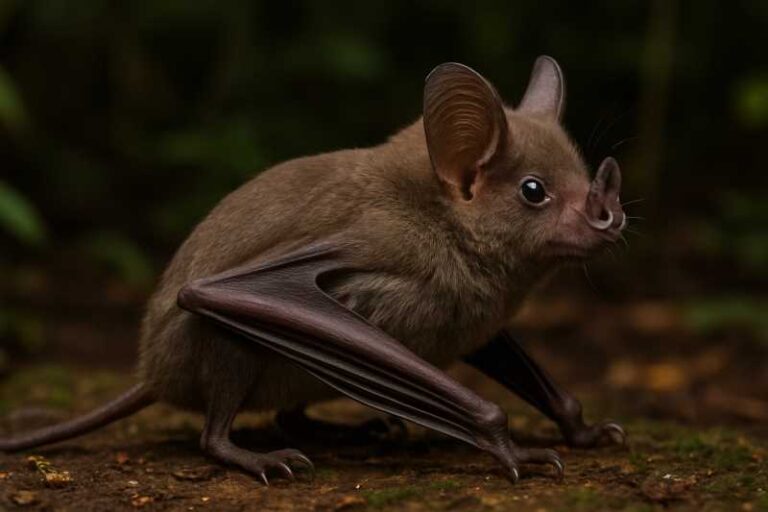
The Red Arboreal Rice Rat is a medium-sized rodent, characterized by its distinctive reddish-brown fur, which provides effective camouflage among the forest canopy’s leaves and branches. The fur is generally soft and dense, with a lighter coloration on the underbelly. Adult Red Arboreal Rice Rats typically measure between 15 to 20 centimeters in body length, with a tail that is slightly longer than the body, aiding in balance and agility when navigating treetops.
Their large, dark eyes are well-adapted for nocturnal activity, providing excellent night vision. The ears are relatively small and rounded, minimizing heat loss and aiding in their arboreal lifestyle by reducing the risk of snagging on branches. The feet of the Red Arboreal Rice Rat are equipped with sharp claws and specialized pads, enhancing their climbing ability and grip on various surfaces.
Range and Habitat
The Red Arboreal Rice Rat is predominantly found in the tropical rainforests of South America, with a range that extends across several countries, including Brazil, Colombia, Venezuela, and the Guianas. These forests provide the dense canopy cover that the species requires for shelter and food.
Their preferred habitat is the upper canopy of mature forests, although they can occasionally be found in secondary forests and forest edges. The abundance of fruit, seeds, and insects in these areas supports their dietary needs. The presence of interconnected branches and vines offers the necessary pathways for movement, further emphasizing their dependency on well-preserved forest ecosystems.
Behavior and Diet
The Red Arboreal Rice Rat is primarily nocturnal, spending most of its active hours at night. This behavior reduces the risk of predation and competition with diurnal species. During the day, they rest in nests made from leaves and twigs, often located in tree hollows or dense foliage.
Their diet is omnivorous, consisting of a variety of fruits, seeds, and insects. This diverse diet helps them adapt to seasonal changes in food availability. The Red Arboreal Rice Rat plays a vital role in seed dispersal, aiding in forest regeneration and maintaining biodiversity.
Identification Tips
Identifying the Red Arboreal Rice Rat in the field requires keen observation and awareness of specific cues:
- Coloration: Look for the distinct reddish-brown fur, with a lighter underside.
- Tail: Note the long, slightly bushy tail which is often used for balance.
- Habitat: Focus searches in the upper canopy of tropical forests, especially in mature and undisturbed areas.
- Behavior: Watch for nocturnal activity and listen for subtle rustling among leaves and branches at night.
- Size: Recognize their medium size, with body lengths ranging from 15 to 20 centimeters.
Conservation Status
The International Union for Conservation of Nature (IUCN) currently classifies the Red Arboreal Rice Rat as Least Concern, indicating that the species is not immediately at risk of extinction. However, ongoing threats could impact its populations if not addressed.
Threats
- Deforestation: Habitat loss due to logging, agriculture, and urbanization poses a significant threat.
- Climate Change: Alterations in rainfall patterns and temperature could affect food availability and habitat suitability.
- Predation: Natural predators include birds of prey and arboreal snakes.
Protections
- Protected Areas: Many of their habitats fall within protected reserves and national parks.
- Research Initiatives: Ongoing ecological studies aim to understand their role in forest ecosystems and inform conservation strategies.
Frequently Asked Questions
- What is the lifespan of a Red Arboreal Rice Rat?
Red Arboreal Rice Rats typically have a lifespan of 2 to 3 years in the wild, although this can vary depending on environmental conditions and predation pressures.
- Are Red Arboreal Rice Rats endangered?
Currently, the Red Arboreal Rice Rat is classified as Least Concern by the IUCN, meaning it’s not considered endangered. However, habitat destruction remains a potential threat.
- How do Red Arboreal Rice Rats contribute to their ecosystem?
These rats play a crucial role in seed dispersal, aiding in forest regeneration and maintaining biodiversity. Their diet also helps control insect populations.
- What adaptations help the Red Arboreal Rice Rat in its arboreal lifestyle?
Adaptations include their prehensile tail for balance, sharp claws for climbing, and nocturnal vision for navigating in low light conditions.
- Where can I observe Red Arboreal Rice Rats in the wild?
To observe these rats, visit the tropical rainforests of South America, particularly in Brazil, Colombia, Venezuela, and the Guianas, focusing on mature forest canopies at night.
Related posts