Unicolored Arboreal Rice Rat (Oecomys concolor)
Introduction
The Unicolored Arboreal Rice Rat, scientifically known as Oecomys concolor, is a fascinating mammal species that plays a pivotal role in its ecosystem. This arboreal rodent is part of the Cricetidae family, which is renowned for its adaptability and diversity. This article delves into the various aspects of the Unicolored Arboreal Rice Rat, providing insights into its physical attributes, habitat, behavior, and conservation status.
Physical Description
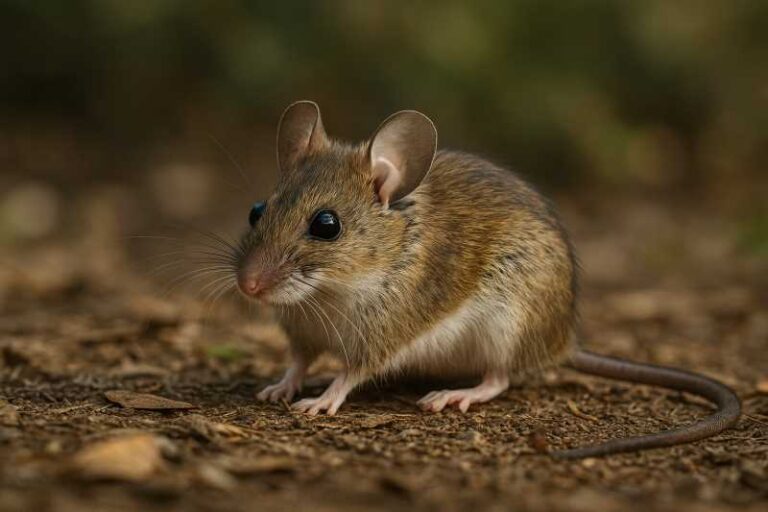
The Unicolored Arboreal Rice Rat is a small, nimble rodent with distinctive features that aid in its arboreal lifestyle. Typically, adults weigh between 40 and 60 grams, with a body length ranging from 10 to 15 centimeters, excluding the tail. The tail itself is often longer than the body, measuring up to 18 centimeters, which enhances the rat’s balance and agility when navigating through tree canopies.
The fur of Oecomys concolor is uniformly colored, which is a characteristic feature that gives the species its name. The dorsal fur is a shade of brown that varies from light to dark, providing effective camouflage amongst the tree bark and foliage. The underbelly is usually lighter, often a creamy white or pale gray. The rat’s large, prominent eyes are adapted for nocturnal activity, and its ears are moderately sized, aiding in acute hearing.
Range and Habitat
The Unicolored Arboreal Rice Rat inhabits a wide range of geographic locations across Central and South America. Its distribution extends from southern Mexico through Central America, reaching as far south as northern Argentina and Brazil. The species thrives in tropical and subtropical forests, with a preference for humid, dense canopies.
Typically, Oecomys concolor is found in lowland rainforests, but it can also adapt to secondary forests and areas with significant human disturbance, provided there is adequate tree cover. The rat’s arboreal nature means it seldom descends to the ground, spending most of its life in the trees.
Behavior and Diet
Oecomys concolor is primarily nocturnal, which means it is most active during the night. This behavior reduces exposure to predators and allows the rat to exploit various food resources. The species is solitary and territorial, marking its domain with scent glands to ward off intruders.
The diet of the Unicolored Arboreal Rice Rat is omnivorous. It feeds on a variety of fruits, seeds, and leaves, which are abundant in its arboreal habitat. Additionally, it supplements its diet with insects and small invertebrates, providing a balanced intake of nutrients necessary for survival.
Identification Tips (Field Recognition Cues)
Identifying the Unicolored Arboreal Rice Rat in the wild requires keen observation of its physical and behavioral traits:
- Uniform Fur Color: Look for a rodent with uniformly colored brown fur that blends seamlessly with its surroundings.
- Long Tail: Note the long, slender tail that aids in balancing as the rat moves through the trees.
- Large Eyes: The prominent eyes are adapted for night vision, making them a striking feature.
- Nocturnal Activity: Observe activity patterns; sightings are more common during twilight or nighttime.
Conservation Status (With Threats and Protections)
The Unicolored Arboreal Rice Rat is currently classified as Least Concern by the International Union for Conservation of Nature (IUCN). However, like many species in tropical regions, it faces potential threats from deforestation and habitat degradation. The expansion of agriculture, logging, and urbanization contribute to the loss of suitable habitats.
Conservation efforts are essential to ensure the species’ survival. Protected areas and national parks across its range play a crucial role in preserving its natural habitat. Promoting sustainable forestry practices and raising awareness about the ecological importance of arboreal rodents can further aid conservation efforts.
Frequently Asked Questions
What is the primary habitat of the Unicolored Arboreal Rice Rat?
The Unicolored Arboreal Rice Rat primarily inhabits tropical and subtropical forests across Central and South America, favoring dense, humid canopies.
How does the Unicolored Arboreal Rice Rat contribute to its ecosystem?
As an omnivore, Oecomys concolor plays a vital role in seed dispersal and pest control, maintaining ecological balance within its habitat.
Are Unicolored Arboreal Rice Rats endangered?
No, the Unicolored Arboreal Rice Rat is classified as Least Concern, but it faces threats from habitat loss due to deforestation.
What adaptations help the Unicolored Arboreal Rice Rat live in trees?
Its long tail for balance, sharp claws for gripping, and nocturnal vision are key adaptations for an arboreal lifestyle.
How can we help in the conservation of the Unicolored Arboreal Rice Rat?
Supporting conservation initiatives, promoting sustainable land-use practices, and protecting forest habitats can aid in the species’ conservation.
Related posts