Thomas’s Flying Squirrel: A Unique Mammal Species
Introduction
Thomas’s Flying Squirrel, scientifically known as Aeromys thomasi, is a captivating species of flying squirrel that inhabits the lush tropical forests of Southeast Asia. Known for their extraordinary gliding abilities, these creatures are an integral part of the forest ecosystem, offering insights into the biodiversity and ecological dynamics of their habitats. Despite their elusive nature, these squirrels have intrigued scientists and wildlife enthusiasts alike, prompting extensive research into their behavior, ecology, and conservation needs.
Physical Description
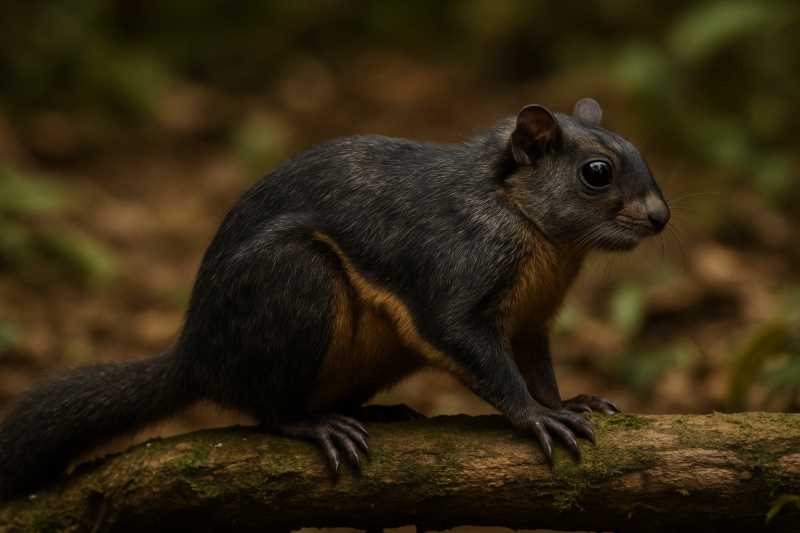
Thomas’s Flying Squirrel is a medium-sized rodent, characterized by a unique set of physical traits that distinguish it from other flying squirrels. Adults typically weigh between 400 to 500 grams, with a body length of 30 to 40 centimeters, not including the tail, which adds another 30 to 35 centimeters. Their fur is dense and soft, predominantly brown or gray, which provides excellent camouflage against the bark of trees.
One of the most distinctive features of Thomas’s Flying Squirrel is the patagium, a membrane of skin that stretches from the forelimbs to the hindlimbs. This adaptation allows them to glide gracefully through the treetops, covering distances of up to 100 meters in a single leap. Additionally, their large, rounded eyes are well-suited for nocturnal activity, providing enhanced vision in low-light conditions.
Range and Habitat
Thomas’s Flying Squirrel is predominantly found in the tropical rainforests of Southeast Asia, including parts of Thailand, Malaysia, and Indonesia. These regions provide the dense canopy cover and diverse flora that are essential for their survival. The species typically inhabits primary and secondary forests, where tall trees offer ample opportunities for gliding and foraging.
The squirrels are arboreal, spending most of their lives in the treetops. They prefer areas with high tree diversity, which supports a rich diet and provides numerous nesting sites. The presence of large canopy gaps and a variety of tree species is crucial for facilitating their gliding locomotion and ensuring a steady food supply.
Behavior and Diet
Thomas’s Flying Squirrel is primarily nocturnal, emerging at dusk to forage for food. Their diet is omnivorous, consisting mainly of fruits, nuts, seeds, and occasionally insects or small birds. They play a vital role in seed dispersal, contributing to the regeneration and health of their forest habitats.
During the day, these squirrels rest in tree hollows or nests made of leaves and twigs. They are known to be solitary or live in small family groups. Communication among individuals is facilitated through vocalizations and scent markings, which help establish territories and mating rights.
Identification Tips (Field Recognition Cues)
Identifying Thomas’s Flying Squirrel in the wild can be challenging due to their nocturnal habits and arboreal lifestyle. However, there are several field recognition cues that can aid in their identification:
- Silhouette Gliding: Look for the distinctive silhouette of a gliding squirrel against the evening sky, particularly at dusk or dawn.
- Nocturnal Eyeshine: Use a flashlight to spot the reflective eyeshine, which is characteristic of nocturnal mammals.
- Vocalizations: Listen for soft chattering or whistling sounds, especially in areas with dense forest cover.
- Patagium: Observe the extended patagium during glides; this is a key feature distinguishing them from non-gliding squirrels.
Conservation Status (with Threats and Protections)
Thomas’s Flying Squirrel is currently classified as Near Threatened on the IUCN Red List. The primary threats to their survival include habitat loss due to deforestation, logging, and agricultural expansion. Illegal wildlife trade also poses a significant risk, as these squirrels are sometimes captured for the exotic pet market.
Conservation efforts are focused on habitat preservation and legal protection. Establishing protected areas and promoting sustainable forestry practices are essential to safeguarding their populations. Additionally, public education and awareness campaigns can help reduce illegal trade and promote coexistence with local communities.
Frequently Asked Questions
What is the primary diet of Thomas’s Flying Squirrel?
Thomas’s Flying Squirrel is omnivorous, feeding on a varied diet of fruits, nuts, seeds, and occasionally insects or small birds. Their foraging habits play a crucial role in forest ecology, particularly in seed dispersal.
Where can Thomas’s Flying Squirrel be found?
Thomas’s Flying Squirrel is native to the tropical rainforests of Southeast Asia, specifically in regions such as Thailand, Malaysia, and Indonesia. They prefer dense, diverse forest canopies that facilitate their gliding lifestyle.
How does Thomas’s Flying Squirrel glide?
The squirrel glides using a patagium, a skin membrane that extends between its forelimbs and hindlimbs. This adaptation allows them to cover significant distances between trees, aiding in foraging and escaping predators.
How can I identify Thomas’s Flying Squirrel in the wild?
Look for their unique gliding silhouette, nocturnal eyeshine, and listen for vocalizations. Observing their patagium during glides can also help distinguish them from other tree-dwelling mammals.
What are the main threats to Thomas’s Flying Squirrel?
The primary threats include habitat destruction from deforestation and logging, as well as illegal wildlife trade. Conservation efforts are focused on habitat protection and legal measures to curb these threats.
Related posts