Introduction
The Smoky Shrew (Sorex fumeus) is a small mammal that belongs to the family Soricidae. Known for its elusive nature, this species plays a vital role in the ecosystem as both predator and prey. Found primarily in North America, the Smoky Shrew is of particular interest to biologists and conservationists due to its sensitivity to environmental changes. This article delves into the intricate details of the Smoky Shrew, from its physical characteristics to its behavior, habitat, and conservation status, providing a comprehensive understanding of this fascinating creature.
Physical Description
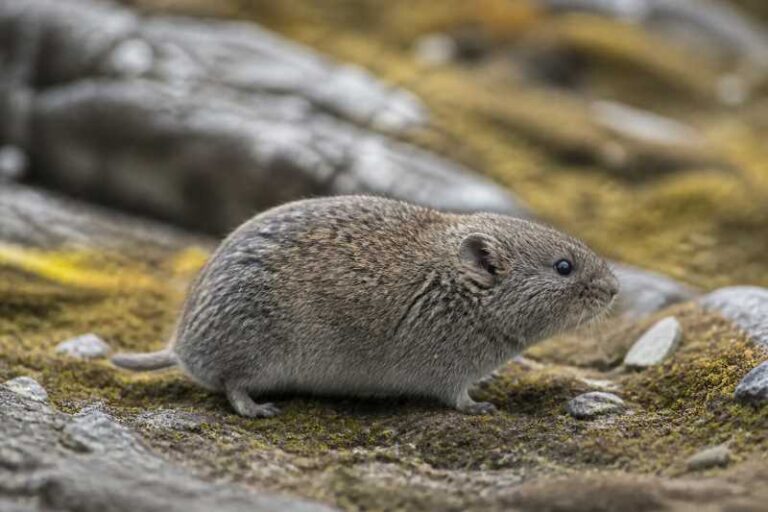
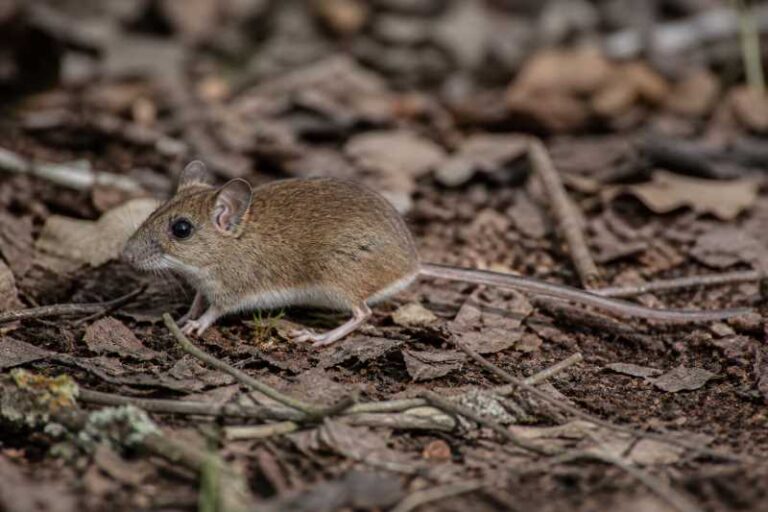
The Smoky Shrew is a small, insectivorous mammal, typically measuring between 10 to 12 centimeters in total length, including its tail. Weighing around 5 to 9 grams, it is slightly larger than other shrew species found in North America. Its fur is dense and soft, with a smoky-gray coloration that varies slightly with the seasons—darker in winter and lighter in summer. The underbelly is usually paler, providing some camouflage against the forest floor.
One of the distinguishing features of the Smoky Shrew is its pointed snout, which is well-adapted for digging and foraging through leaf litter. The shrew’s ears are small and often concealed by fur, while its eyes are tiny, reflecting its minimal reliance on vision. Instead, it relies heavily on its acute sense of smell and touch to navigate and hunt in its predominantly nocturnal lifestyle.
Range and Habitat
The Smoky Shrew is predominantly found in the northeastern United States and parts of southeastern Canada. Its range extends from Nova Scotia and southern Quebec down through the Appalachian Mountains into northern Georgia and Alabama. Within these regions, the Smoky Shrew inhabits moist, wooded environments, favoring deciduous and mixed forests with a dense layer of leaf litter and abundant underbrush.
These shrews are also known to occupy areas with rocky substrates and fallen logs, which provide ample cover and foraging opportunities. They thrive in environments where moisture is prevalent, such as near streams, bogs, and marshes, which support the abundance of invertebrate prey essential to their diet.
Behavior and Diet
The Smoky Shrew is a solitary and territorial creature, with each individual maintaining a home range that it defends aggressively from intruders. It is primarily nocturnal, although it may also be active during the day. The shrew’s activity peaks during the early evening and morning hours when it forages for food.
As an insectivore, the Smoky Shrew’s diet consists mainly of insects, spiders, worms, and other small invertebrates. It has a voracious appetite, consuming nearly its body weight in food each day. This high metabolic rate requires the shrew to forage frequently, often burrowing through leaf litter and soil in search of prey. Its sensitive whiskers and keen sense of smell aid in detecting food in the dark.
Identification Tips (Field Recognition Cues)
Identifying a Smoky Shrew in the field can be challenging due to its elusive nature and small size. However, there are several key features that can aid in recognition:
- Size and Shape: Look for a small, slender mammal about 10–12 cm long with a pointed snout and a long tail.
- Coloration: Note the smoky-gray fur, which is darker in winter and lighter in summer, with a paler underbelly.
- Behavior: Observe the shrew’s quick, darting movements and preference for dense leaf litter and forested areas.
- Habitat: Focus on moist, wooded environments with abundant ground cover, particularly near streams and rocky areas.
- Vocalizations: Listen for the faint, high-pitched squeaks and twittering sounds the shrew may make while foraging or communicating.
Conservation Status (With Threats and Protections)
The Smoky Shrew is currently classified as a species of Least Concern by the International Union for Conservation of Nature (IUCN). However, like many small mammals, it faces several threats that could impact its population over time.
Threats:
- Habitat Loss: Deforestation and land development reduce the availability of suitable habitats.
- Climate Change: Alterations in temperature and precipitation patterns can affect the shrew’s habitat and food supply.
- Pollution: Pesticides and pollutants can contaminate the shrew’s food sources, leading to health issues.
Protections:
- Protected Areas: Several national parks and reserves within the shrew’s range provide crucial habitat protection.
- Conservation Efforts: Initiatives to preserve forested areas and manage landscapes sustainably benefit the Smoky Shrew and other wildlife.
- Research and Monitoring: Ongoing studies help track population trends and inform conservation strategies.
Frequently Asked Questions
1. What do Smoky Shrews eat? Smoky Shrews primarily eat insects, spiders, worms, and other small invertebrates. They have a high metabolic rate and need to consume nearly their body weight in food daily.
2. Where can you find Smoky Shrews? Smoky Shrews are found in the northeastern United States and southeastern Canada, particularly in moist, wooded environments like deciduous and mixed forests.
3. How can I identify a Smoky Shrew in the wild? Look for a small, slender mammal with a pointed snout and smoky-gray fur. They are typically found in forested areas with dense leaf litter and moist conditions.
4. Are Smoky Shrews endangered? Currently, Smoky Shrews are classified as Least Concern by the IUCN. However, they face threats such as habitat loss and climate change that could affect their populations.
5. What role do Smoky Shrews play in the ecosystem? Smoky Shrews are important predators of insects and other invertebrates. Their presence helps control pest populations, and they serve as prey for larger animals, contributing to the food web.
Related posts