Introduction
The Petter’s Big-footed Mouse, scientifically known as Macrotarsomys petteri, is a fascinating yet lesser-known rodent native to Madagascar. This species is part of the Nesomyidae family, which is exclusive to the African continent and nearby islands. Named after French zoologist Petter, this mouse is an important subject of study due to its unique adaptations and ecological significance. This article delves into the various aspects of the Petter’s Big-footed Mouse, providing a comprehensive overview of its physical characteristics, habitat, behavior, and conservation status.
Physical Description
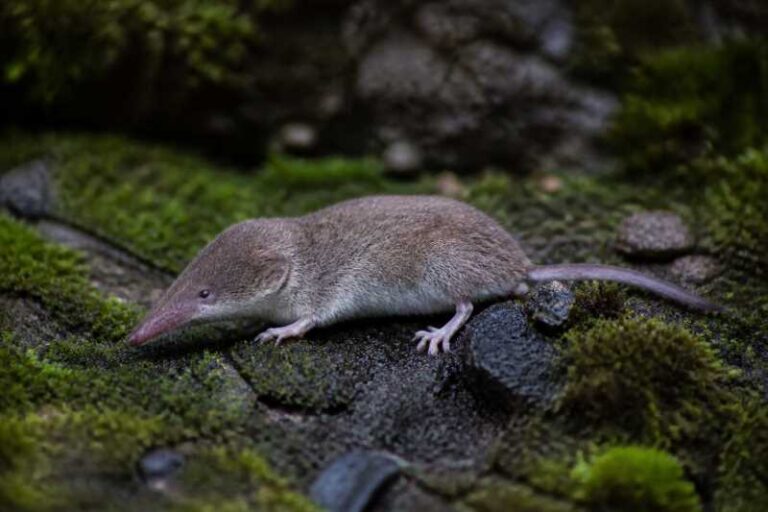
The Petter’s Big-footed Mouse is characterized by its distinctive large hind feet, which are noticeably bigger than those of other rodents in its habitat. This adaptation is believed to aid in its locomotion across the diverse terrains of Madagascar. Adult mice typically measure between 12 to 15 centimeters in body length, with the tail adding an additional 10 to 14 centimeters.
Their fur is soft and dense, with a color palette that ranges from grayish-brown on the dorsal side to a lighter, almost white hue on the ventral side. This coloration provides effective camouflage against predators. The ears are large and rounded, enhancing their auditory capabilities, which is crucial for nocturnal activities.
Range and Habitat
Macrotarsomys petteri is endemic to Madagascar, primarily inhabiting the dry deciduous forests and spiny thickets of the southwestern region. These areas are characterized by seasonal variations, with distinct dry and wet periods. The adaptability of the Petter’s Big-footed Mouse to these conditions is a testament to its resilience and evolutionary success.
The natural habitat of this species is increasingly threatened by human activities. Deforestation for agricultural expansion and logging has significantly reduced the available habitat, posing a severe risk to their population sustainability.
Behavior and Diet
Petter’s Big-footed Mouse is primarily nocturnal, spending daytime hours in burrows or hidden within dense vegetation. Their large feet are particularly useful for digging and navigating through their environment. The species is known for being solitary, although occasional social interactions occur during mating seasons.
Their diet is omnivorous, consisting of a variety of seeds, fruits, and insects. This varied diet is crucial for their survival in the fluctuating environmental conditions of Madagascar. Their role as seed dispersers also highlights their ecological importance in maintaining the health of their forest ecosystems.
Identification Tips (Field Recognition Cues)
Identifying the Petter’s Big-footed Mouse in the wild can be challenging due to its elusive nature. However, certain field cues can aid in recognition:
- Large Hind Feet: The most distinctive feature, aiding in locomotion and digging.
- Fur coloration: Look for the grayish-brown dorsal side and lighter ventral side.
- Tail Length: A relatively long tail, often used for balance.
- Nocturnal Activity: Best chance of observation is during night-time excursions.
- Habitat: Often found in dry deciduous forests and spiny thickets.
Conservation Status (with Threats and Protections)
The conservation status of the Petter’s Big-footed Mouse is currently listed as "Least Concern" by the International Union for Conservation of Nature (IUCN). However, the species faces several threats that could impact its future stability.
Threats:
- Habitat Loss: The primary threat is habitat destruction due to deforestation and land conversion for agriculture.
- Climate Change: Altered rainfall patterns and increased temperatures could affect their habitat and food availability.
Protections:
- Protected Areas: Several regions in Madagascar are designated as protected areas, offering some refuge from human encroachment.
- Conservation Programs: Initiatives aimed at habitat restoration and sustainable land use are crucial for the species’ survival.
Efforts to raise awareness and enforce environmental regulations are vital to ensure the continued existence of this unique rodent.
Frequently Asked Questions
What is the primary diet of the Petter’s Big-footed Mouse?
The Petter’s Big-footed Mouse has an omnivorous diet, primarily consuming seeds, fruits, and insects. This diverse diet helps them adapt to the changing environmental conditions in Madagascar.
How does the Petter’s Big-footed Mouse adapt to its environment?
The species has evolved large hind feet for efficient movement and digging, and its fur coloration provides camouflage. These adaptations help it navigate and survive in the dry deciduous forests of Madagascar.
Why is the Petter’s Big-footed Mouse important to its ecosystem?
This mouse plays a critical role in seed dispersal, which is essential for forest regeneration and maintaining ecological balance in its native habitat.
What are the main threats to the Petter’s Big-footed Mouse?
The primary threats include habitat loss due to deforestation and agricultural expansion, as well as the potential impacts of climate change.
Are there any conservation efforts in place for the Petter’s Big-footed Mouse?
Yes, several protected areas in Madagascar provide habitat refuge, and conservation programs are focused on habitat restoration and sustainable land management practices.
Related posts