Hairy Fruit-eating Bat (Artibeus hirsutus): A Comprehensive Guide
Introduction
The Hairy Fruit-eating Bat (Artibeus hirsutus) is an intriguing species belonging to the family Phyllostomidae. Known for its fruit-based diet and unique physical characteristics, this bat plays a crucial role in its ecosystem as a pollinator and seed disperser. Though relatively lesser-known compared to other chiropteran species, the Hairy Fruit-eating Bat is a subject of interest for researchers and conservationists alike due to its ecological importance and adaptability to various habitats.
Physical Description
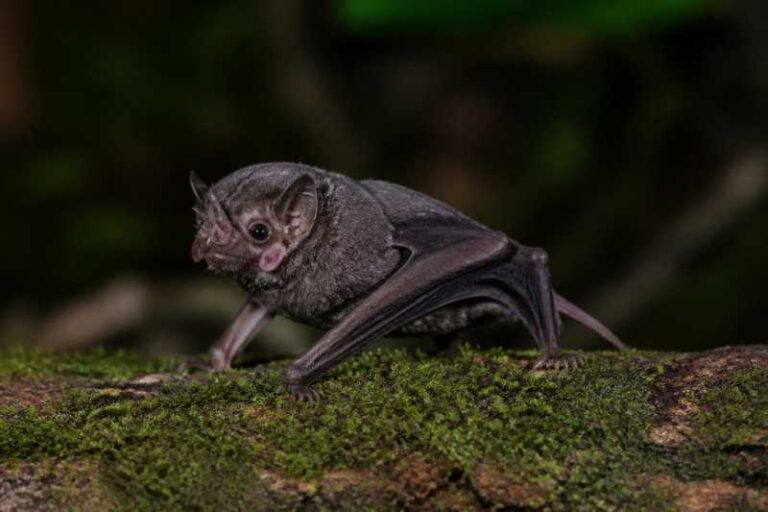
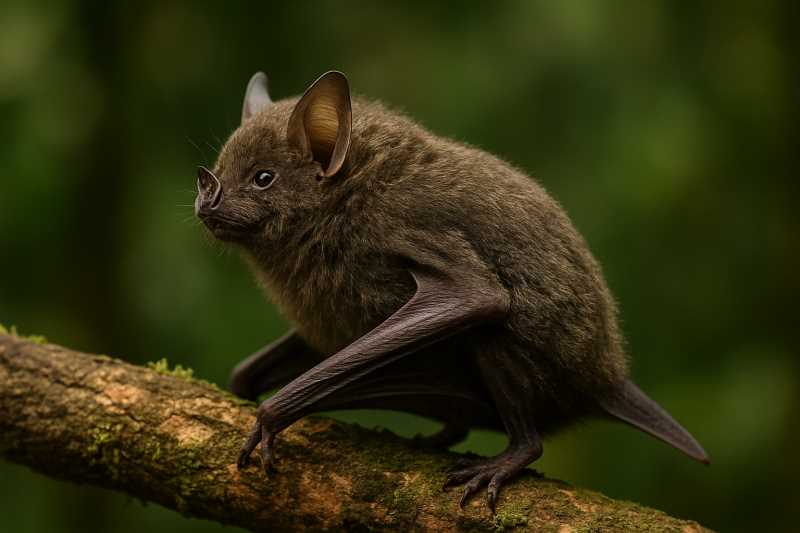
Artibeus hirsutus is distinguished by its medium size and characteristic furry appearance. Adult bats typically have a forearm length ranging from 58 to 64 mm. Their bodies are covered with dense, woolly fur, which is predominantly grayish-brown, providing excellent camouflage in their natural habitat. The bat’s face is adorned with a distinguishing nose leaf, a common trait among the Phyllostomidae family, aiding in echolocation. Its large eyes are adapted for nocturnal vision, and it has broad wings that enable agile flight through dense vegetation.
Range and Habitat
The Hairy Fruit-eating Bat is primarily found in the tropical and subtropical regions of Central America, particularly in Mexico. Their range extends from the lowland forests to the edges of mountainous areas, highlighting their adaptability to varied environmental conditions. These bats thrive in moist forests, dry forests, and even in some disturbed habitats, indicating a degree of resilience to habitat changes. Caves, hollow trees, and dense foliage often serve as roosting sites, providing safety from predators and harsh weather.
Behavior and Diet
Artibeus hirsutus is predominantly nocturnal, with most of its activities occurring after sunset. Their diet is primarily frugivorous, consisting mostly of ripe fruits such as figs, which they locate using their keen sense of smell and echolocation capabilities. The bats play a vital role in seed dispersal, contributing to forest regeneration and biodiversity. Social behavior includes roosting in small groups, which provides increased protection against predators. Communication within these groups involves a combination of vocalizations and physical interactions.
Identification Tips (Field Recognition Cues)
Identifying the Hairy Fruit-eating Bat involves several key cues:
- Size and Fur: Look for medium-sized bats with dense, woolly fur.
- Facial Features: Note the presence of a prominent nose leaf and large eyes.
- Wing Shape: Broad wings are a typical feature, aiding in maneuverability.
- Behavior: Observe nocturnal activity and preference for fruit eating.
- Roosting Sites: Commonly found in caves and hollow trees.
Conservation Status (with Threats and Protections)
Currently, the Hairy Fruit-eating Bat is not listed as endangered, but it faces several threats that could impact its populations. Habitat loss due to deforestation, agricultural expansion, and urban development poses significant risks. Additionally, climate change may alter their habitat and food availability.
Conservation measures focus on habitat protection and restoration efforts. Preserving natural forests and implementing reforestation programs are crucial strategies. Education and awareness campaigns can also help in reducing negative human impacts.
Frequently Asked Questions
What is the primary diet of the Hairy Fruit-eating Bat?
The Hairy Fruit-eating Bat primarily feeds on ripe fruits, with figs being a significant component of their diet. This frugivorous diet plays an essential role in seed dispersal and forest regeneration.
How can I identify a Hairy Fruit-eating Bat in the wild?
Look for medium-sized bats with grayish-brown, woolly fur and a prominent nose leaf. They are typically active at night and are often found roosting in caves or hollow trees.
What threats do Hairy Fruit-eating Bats face?
The primary threats to Artibeus hirsutus include habitat loss due to deforestation and agricultural expansion, as well as potential climate change impacts. Conservation efforts focus on habitat protection and restoration.
Related posts