Introduction
The Harenna Mouse, scientifically known as Mus harennensis, is a fascinating rodent species that has captivated the interest of mammalogists and wildlife enthusiasts alike. This lesser-known species is endemic to a specific region in Ethiopia, making it a subject of interest for conservationists. Understanding the biology, ecology, and conservation status of the Harenna Mouse is crucial for preserving its natural habitat and ensuring its survival. This article delves into various aspects of the Harenna Mouse, including its physical characteristics, habitat, behavior, and the threats it faces in the wild.
Physical Description
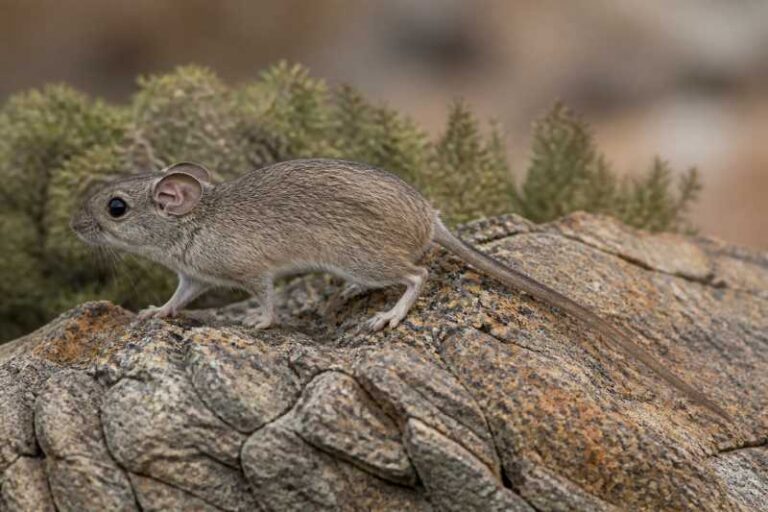
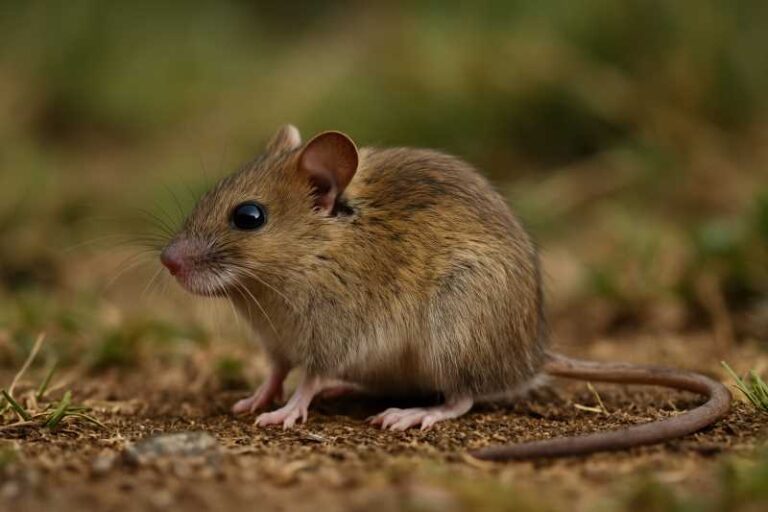
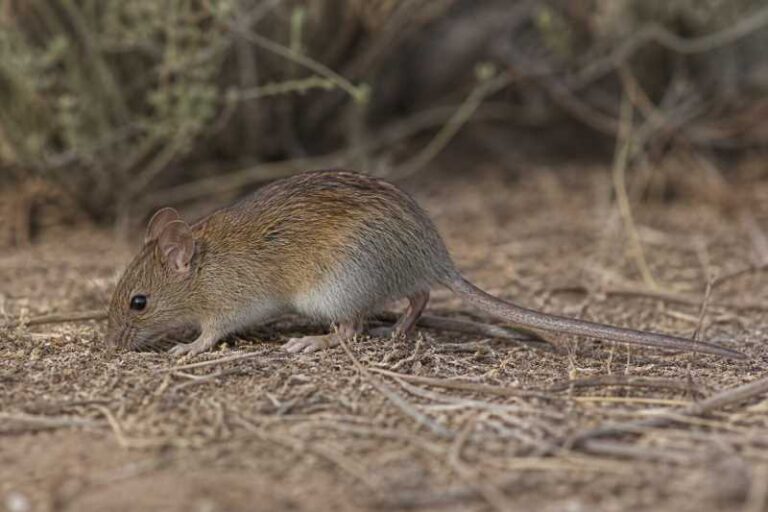
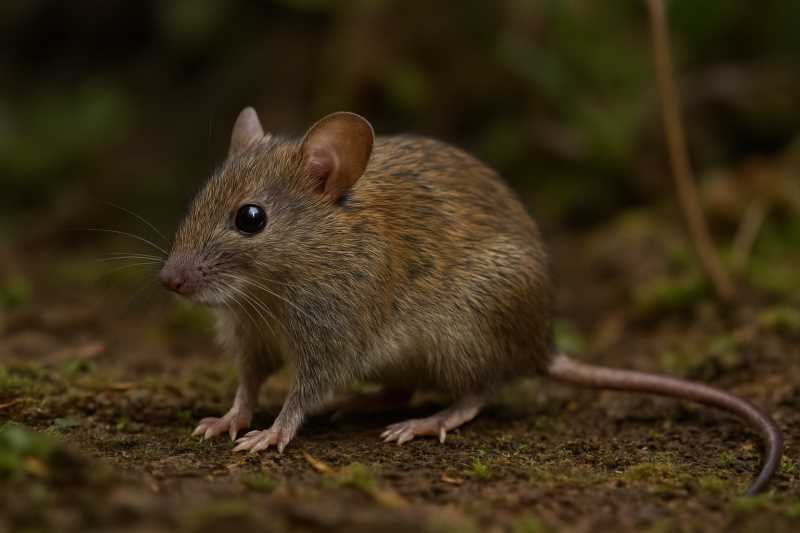
The Harenna Mouse is a small rodent with distinctive physical traits that differentiate it from other species in the Mus genus. On average, an adult Harenna Mouse measures about 7 to 10 centimeters in body length, with a tail that is approximately the same length as its body. Its fur is typically a mix of gray and brown, which provides excellent camouflage against the forest floor. The underbelly is lighter, often displaying a whitish or pale gray hue.
The ears are relatively large for its size, aiding in acute auditory senses crucial for detecting predators in its dense forest habitat. Its eyes are also prominent, suggesting a reliance on vision for nocturnal activities. The Harenna Mouse has a pointed snout and sharp incisors, typical of the rodent family, facilitating its omnivorous diet.
Range and Habitat
The Harenna Mouse is endemic to the Harenna Forest in the Bale Mountains of Ethiopia. This forest is part of the larger Bale Mountains National Park, a biodiversity hotspot known for its unique flora and fauna. The Harenna Forest is characterized by its montane cloud forests, which provide a humid and cool climate ideal for the survival of this species.
This region’s elevation ranges from 1,500 to 3,500 meters, and the forest provides a variety of microhabitats that support diverse wildlife. The Harenna Mouse prefers densely vegetated areas, where it can find ample food and shelter. Its limited range makes its habitat particularly vulnerable to environmental changes and human activities.
Behavior and Diet
The Harenna Mouse is primarily nocturnal, spending much of its active time foraging for food during the night. Its diet is omnivorous, consisting of seeds, fruits, small insects, and other available plant material. This dietary flexibility is advantageous in a forest environment where food availability can fluctuate.
Socially, the Harenna Mouse is relatively solitary, although it may be seen in small groups during breeding seasons. It communicates using a range of vocalizations and scent markings to establish territory boundaries and attract mates. Nesting typically occurs in burrows or hidden in dense vegetation, providing protection from predators.
Identification Tips (Field Recognition Cues)
Identifying the Harenna Mouse in the field requires attention to several key features:
- Size: Look for a small rodent roughly 7 to 10 centimeters in body length.
- Fur Color: Note the gray-brown fur on the back and lighter underbelly.
- Ears and Eyes: Large ears and prominent eyes are distinguishing characteristics.
- Habitat: Found primarily in dense, montane cloud forests.
- Behavior: Primarily nocturnal with foraging activities during nighttime.
Conservation Status (with Threats and Protections)
The Harenna Mouse is currently classified as "Data Deficient" by the International Union for Conservation of Nature (IUCN), meaning there is insufficient information to make a direct assessment of its risk of extinction. However, its restricted range and the specific environmental conditions it requires make it potentially vulnerable to several threats.
Threats
- Habitat Destruction: Deforestation for agriculture and human settlement is a significant threat to the Harenna Forest, reducing available habitat for the Harenna Mouse.
- Climate Change: Changes in climate patterns can alter the delicate ecosystem balance in the montane cloud forests, affecting food availability and habitat conditions.
- Predation: Natural predators include birds of prey and small carnivores, though human-induced habitat changes can exacerbate these threats.
Protections
The primary protection for the Harenna Mouse is the designation of the Bale Mountains National Park, which provides a refuge by preserving its natural habitat. Conservation efforts focus on maintaining the integrity of the Harenna Forest and mitigating human impact through sustainable practices and community engagement.
Frequently Asked Questions
What is the habitat of the Harenna Mouse?
The Harenna Mouse is found exclusively in the Harenna Forest within the Bale Mountains of Ethiopia, thriving in montane cloud forests with dense vegetation.
How does the Harenna Mouse adapt to its environment?
The Harenna Mouse has adapted to its environment through its nocturnal lifestyle, omnivorous diet, and excellent camouflage provided by its fur coloration.
Why is the Harenna Mouse considered vulnerable?
The Harenna Mouse is considered vulnerable due to its limited range, habitat destruction, and potential impacts from climate change, all of which threaten its survival.
Are there any conservation efforts in place for the Harenna Mouse?
Yes, conservation efforts include habitat protection within the Bale Mountains National Park and initiatives to combat deforestation and promote sustainable land use practices.
How can I identify a Harenna Mouse in the wild?
Look for a small rodent with gray-brown fur, large ears, and a nocturnal activity pattern, primarily within the dense vegetation of montane cloud forests.
Related posts