The Snail Kite: A Specialized Predator of Wetlands
The Snail Kite (Rostrhamus sociabilis) is a fascinating bird of prey known for its remarkable adaptations and specialized diet. Belonging to the family Accipitridae, this raptor is primarily found in the wetlands of Florida, Central America, and parts of South America. Its unique ecological niche and striking appearance make it a subject of interest for ornithologists and birdwatchers alike.
Physical Characteristics
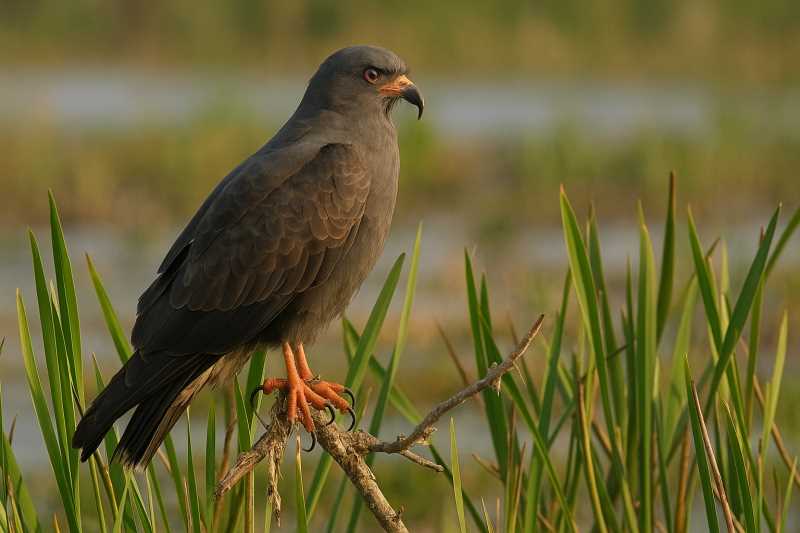
The Snail Kite is a medium-sized raptor, measuring about 16 to 20 inches in length with a wingspan of approximately 39 to 47 inches. It exhibits sexual dimorphism, with males typically sporting a slate gray plumage and females displaying a brownish coloration with streaked underparts. The bird is easily recognized by its distinctive, sharply hooked bill, which is perfectly adapted for extracting snails from their shells.
Habitat and Distribution
This raptor is closely associated with freshwater wetlands, particularly those rich in apple snails, its primary prey. In the United States, the Snail Kite is predominantly found in the marshes of the Florida Everglades and the southern parts of the state. Outside of the U.S., its range extends through Cuba, Central America, and into northern South America, inhabiting similar wetland environments.
Diet and Hunting Behavior
The Snail Kite’s diet is highly specialized, consisting almost exclusively of apple snails (genus Pomacea). This dietary specialization is facilitated by its unique bill, which allows it to adeptly pry open the snails’ operculum and extract the soft body inside. This raptor employs a hunting strategy that involves slow, low flights over wetlands, scanning for snails near the surface of the water. Upon spotting a snail, the Snail Kite will swoop down to grab it with its talons.
Reproduction and Life Cycle
Breeding season for the Snail Kite varies geographically, but it generally coincides with the wet season when food resources are abundant. During courtship, males perform aerial displays to attract females. Nests are often built in trees or shrubs over water, providing some protection from terrestrial predators. Clutch size typically ranges from two to four eggs, with both parents participating in incubation and feeding of the chicks.
Chicks fledge approximately four weeks after hatching but continue to rely on their parents for food until they can effectively hunt on their own. The juvenile plumage is brown, gradually transitioning to adult coloration as they mature.
Conservation Status and Threats
The Snail Kite is currently listed as vulnerable by the International Union for Conservation of Nature (IUCN). In Florida, it is classified as endangered due to habitat loss, water management practices, and invasive species such as the island apple snail (Pomacea insularum), which can alter the delicate balance of the ecosystem. Conservation efforts focus on habitat restoration and management, as well as monitoring populations to ensure the survival of this specialized predator.
Research and Observations
Ongoing research on the Snail Kite includes studies on its feeding ecology, reproductive success, and interactions with native and non-native snail species. Conservationists and researchers often emphasize the importance of maintaining healthy wetland ecosystems to support the Snail Kite and other species that depend on these habitats.
Birdwatchers and nature enthusiasts can observe the Snail Kite in several wildlife refuges and parks across its range. The species’ unique appearance and behavior make it a captivating subject for photography and birdwatching.
Conclusion
The Snail Kite is a remarkable example of specialization in the animal kingdom, with its entire existence intricately linked to the availability of freshwater snails. As wetlands face increasing threats from human activities and climate change, the conservation of this species serves as a critical reminder of the interconnectedness of ecosystems and the importance of preserving biodiversity.
Efforts to protect and restore wetland habitats are essential not only for the survival of the Snail Kite but also for the myriad of other species that share its environment. By understanding and supporting these efforts, we can help ensure that future generations will continue to witness the graceful flight of the Snail Kite over the wetlands it calls home.
Related posts