The Perija Starfrontlet: A Glimpse into the Life of a Rare Avian Jewel
Nestled within the enchanting confines of the Serranía del Perijá, a mountain range straddling the Colombia-Venezuela border, lives a bird of mesmerizing beauty and ecological significance: the Perija Starfrontlet (Coeligena consita). This elusive hummingbird, which has only recently been recognized as a distinct species, is capturing the attention of ornithologists and conservationists alike. As we delve into the intriguing characteristics and conservation status of the Perija Starfrontlet, we uncover not just the story of a bird, but also the intricate tapestry of biodiversity that it represents.
Taxonomy and Physical Description
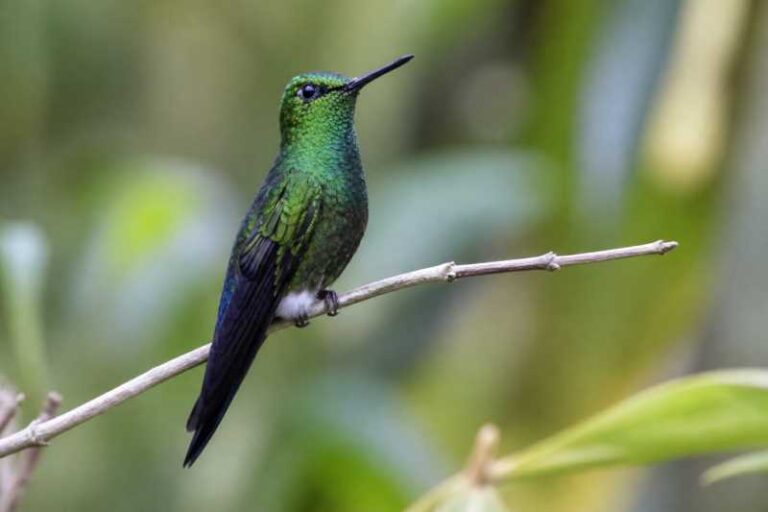
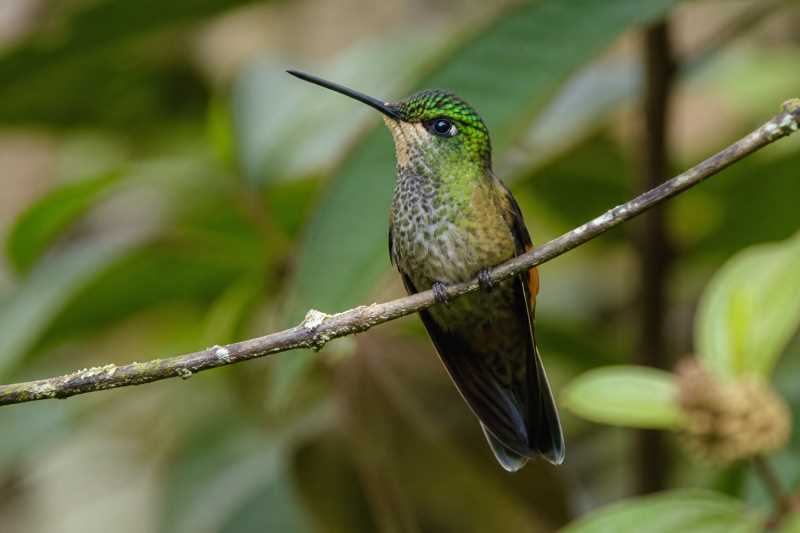
The Perija Starfrontlet belongs to the Trochilidae family, a diverse group of hummingbirds known for their dazzling iridescence and rapid wing beats. The species was officially described in 2017, a testament to the ongoing exploration and discovery of Earth’s biodiversity. Coeligena consita is distinguished by its vibrant plumage; males boast a shimmering emerald-green throat, transitioning to a metallic blue on the crown, while females exhibit a more subdued yet equally captivating array of greens and blues. Both genders are adorned with a distinctive white postocular spot, enhancing their striking appearance.
Habitat and Distribution
The Perija Starfrontlet is endemic to the Serranía del Perijá, a region characterized by its unique montane forests and páramo ecosystems. These high-altitude habitats, ranging from 1,600 to 3,200 meters above sea level, provide the cool, misty environments that the Starfrontlet favors. Unfortunately, this limited distribution makes the species particularly vulnerable to habitat degradation. The region’s forests are threatened by agricultural expansion, illegal logging, and mining activities, which collectively chip away at the suitable living conditions for this delicate hummingbird.
Behavior and Ecology
Like many hummingbirds, the Perija Starfrontlet is a marvel of metabolic efficiency and agility. Its diet primarily consists of nectar, which it obtains from a variety of flowering plants native to its habitat. In the process of feeding, it acts as a vital pollinator, transferring pollen from flower to flower, thus supporting the reproductive cycles of its floral companions. Additionally, the Starfrontlet occasionally supplements its diet with small insects, which provide necessary proteins.
The hummingbird’s aerial prowess is matched by its territorial nature. Males are known to vigorously defend their feeding territories against intruders, engaging in swift, acrobatic flights to chase away rivals. This territoriality not only ensures access to resources but also plays a role in mating displays, where aerial feats are employed to attract potential mates.
Conservation Status and Challenges
The International Union for Conservation of Nature (IUCN) has classified the Perija Starfrontlet as ‘Critically Endangered.’ Its precarious status is primarily due to its restricted range and the ongoing threats to its habitat. Conservation efforts are thus crucial to ensuring the survival of this species. Organizations are working to promote sustainable land-use practices and establish protected areas within the Serranía del Perijá to safeguard the remaining forests.
Community engagement is also a key component of conservation strategies. Local communities are being educated about the ecological importance of the Perija Starfrontlet and the broader ecosystem. By fostering a sense of stewardship and encouraging eco-friendly practices, conservationists hope to create a sustainable coexistence between human activities and the natural world.
The Broader Ecological Significance
Protecting the Perija Starfrontlet extends beyond preserving a single species; it involves maintaining the integrity of an entire ecosystem. The hummingbird’s presence is indicative of a healthy, functioning environment. Its role as a pollinator supports plant diversity, which in turn sustains a multitude of other species, creating a vibrant, interconnected web of life.
Conclusion
The Perija Starfrontlet, with its dazzling colors and critical ecological role, is a beacon for biodiversity conservation. As we endeavor to protect this avian treasure, we are reminded of the intricate balance that governs life on Earth. The challenges are significant, but with concerted efforts from scientists, conservationists, and local communities, there is hope for the Perija Starfrontlet to continue gracing the forests of the Serranía del Perijá for generations to come.
By preserving not just the Starfrontlet, but the rich tapestry of life it represents, we affirm our commitment to safeguarding the natural wonders of our planet. Through dedicated conservation actions, we can ensure that the songs of the Perija Starfrontlet will echo through the misty forests, a testament to the resilience and beauty of the natural world.
Related posts