The Chinese Pond-Heron: A Jewel of the Wetlands
The Chinese Pond-Heron (Ardeola bacchus) is a captivating species of bird that graces the wetlands and shallow water bodies of East Asia. Known for its striking breeding plumage and adaptable nature, this heron plays a significant role in the biodiversity of its habitats. Understanding its behavior, habitat preferences, and conservation status is essential for appreciating the ecological significance of these birds.
Physical Characteristics
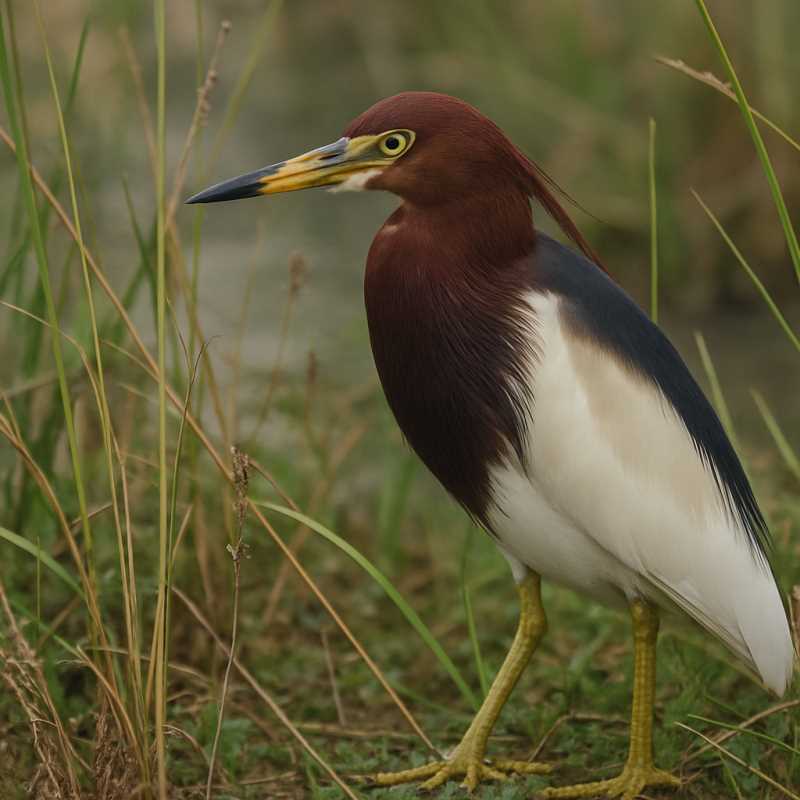
The Chinese Pond-Heron is a medium-sized bird, typically measuring around 47 to 50 centimeters in length. It exhibits a distinct transformation between its non-breeding and breeding seasons. During the non-breeding season, its plumage is predominantly a streaked brown and white, allowing it to blend seamlessly into its marshy surroundings. However, the breeding season reveals a dramatic change, with its plumage turning a striking combination of chestnut, white, and a slate-blue hue. This transformation not only aids in mating displays but also serves as a visual delight to bird watchers and researchers alike.
Habitat and Distribution
This species is native to a wide range of East Asia, including China, Taiwan, Japan, Korea, and parts of Southeast Asia. The Chinese Pond-Heron prefers freshwater wetlands such as rice paddies, ponds, and marshes, where it can find abundant food sources. It is also found in coastal regions and occasionally in urban areas where suitable habitats exist. Its adaptability to different environments makes it a resilient species, capable of thriving in both natural and human-altered landscapes.
Behavior and Diet
Chinese Pond-Herons are predominantly solitary feeders, though they can sometimes be seen in small groups. Their diet mainly consists of aquatic insects, small fish, crustaceans, and amphibians. With a patient and stealthy approach, they often stand motionless or slowly stalk their prey in shallow water before striking with precision.
The breeding season occurs during the spring and summer months, where these herons engage in elaborate courtship displays. Nests are typically built in colonies, often alongside other heron species, and are usually constructed in trees or shrubs near water. A clutch usually consists of 3 to 5 eggs, with both parents sharing responsibilities in incubation and feeding the chicks.
Conservation Status
The Chinese Pond-Heron is currently classified as a species of Least Concern by the International Union for Conservation of Nature (IUCN). However, habitat destruction due to urbanization, pollution, and agricultural expansion poses significant threats to its populations. Conservation efforts aimed at preserving wetland habitats are crucial in ensuring the continued survival of this species.
Organizations and governments in the region are increasingly recognizing the importance of these wetlands, not only for the birds but also for maintaining water quality, flood control, and supporting diverse ecosystems. Ecotourism and birdwatching initiatives are also being promoted as sustainable ways to generate income while preserving these vital habitats.
Conclusion
The Chinese Pond-Heron is a testament to the beauty and complexity of wetland ecosystems. Its presence across a range of habitats highlights the interconnectedness of natural and human environments. By fostering awareness and promoting conservation efforts, we can ensure that future generations will continue to experience the splendor of these remarkable birds.
Through understanding and appreciating species like the Chinese Pond-Heron, society can better appreciate the intricate balance of ecosystems and the need to protect them. As we continue to study and observe these birds, they remind us of the delicate interplay between nature and human development and the ongoing responsibility to maintain that balance.
The Chinese Pond-Heron, with its vibrant plumage and ecological importance, stands as a symbol of the rich biodiversity that wetlands support, urging us to act as stewards of the natural world.
Related posts