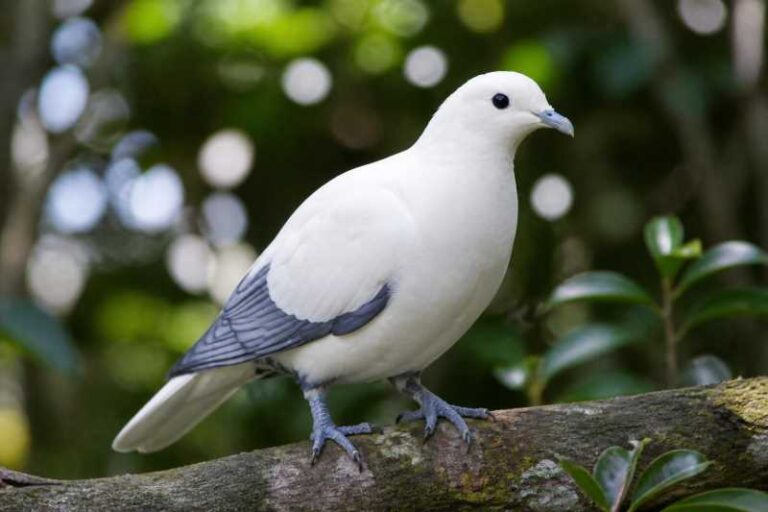
The Asian Short-toed Lark: An In-depth Exploration of Alaudala cheleensis
The Asian Short-toed Lark, scientifically known as Alaudala cheleensis, is a small passerine bird that belongs to the family Alaudidae. This species, although diminutive in size, plays a significant role in the avian biodiversity of the regions it inhabits. Its subtle charm and understated beauty make it a fascinating subject for ornithologists and bird enthusiasts alike.
Taxonomy and Classification
The Asian Short-toed Lark was originally described by the renowned ornithologist Robert Swinhoe in 1871. It was initially placed under the genus Calandrella but was later reclassified to the genus Alaudala after phylogenetic studies suggested a closer genetic relationship within this group. The bird’s Latin name, Alaudala cheleensis, reflects its widespread presence in the Chele district of Inner Mongolia, China.
Physical Description
The Asian Short-toed Lark is a small-sized bird, measuring approximately 12-14 cm in length with a wingspan of about 20-30 cm. It is characterized by its drab brown plumage, which serves as excellent camouflage against the arid landscapes it frequents. The bird’s upperparts are generally sandy-brown, while its underparts are lighter with subtle streaking. This lark is distinguishable by its short tail and rounded wings, features that are typical of the Alaudala genus.
Distribution and Habitat
The Asian Short-toed Lark is predominantly found in the grasslands and semi-arid regions of Central and East Asia. It has a broad geographical range that stretches from Mongolia and southern Siberia, extending through northern China to the Korean Peninsula. The species prefers open habitats with sparse vegetation, including steppes, agricultural fields, and sandy plains.
Behaviour and Ecology
Alaudala cheleensis is a ground-dwelling bird that showcases remarkable adaptations to its environment. It is primarily insectivorous, feeding on a diet rich in insects and other invertebrates, although it will consume seeds, especially outside of the breeding season. The bird’s foraging behavior involves walking or running on the ground while probing the soil with its bill to unearth its prey.
The Asian Short-toed Lark is known for its distinctive song, a melodious series of trills and chirps that are often delivered during flight. The male lark’s aerial displays are a crucial component of its courtship rituals, serving to attract females and establish territorial boundaries.
Breeding and Reproduction
The breeding season for the Asian Short-toed Lark typically spans from May to July. During this period, males establish territories and construct simplistic nests on the ground, often concealed amidst vegetation or under small shrubs. The female lays a clutch of 3-5 eggs, which are incubated for approximately 11-13 days. Both parents partake in feeding the hatchlings, which fledge around two weeks after hatching.
Conservation Status
Currently, the Asian Short-toed Lark is classified as “Least Concern” by the International Union for Conservation of Nature (IUCN). Despite its wide distribution, the species faces threats from habitat degradation, primarily due to agricultural expansion and overgrazing in its natural habitats. Conservation efforts aimed at preserving grassland ecosystems are vital to ensuring the long-term survival of this species.
Cultural Significance
In various Asian cultures, larks are often associated with joy and morning songs. While the Asian Short-toed Lark may not be as celebrated as other species, its presence is a testament to the rich biodiversity of the regions it inhabits. Birdwatchers and nature lovers continue to admire these birds for their resilience and enduring presence in changing landscapes.
Conclusion
The Asian Short-toed Lark is a remarkable example of the avian diversity found across Asia’s grasslands. Its subtle beauty, ecological importance, and resilience in the face of environmental challenges make it a species worthy of study and conservation. As human activities continue to alter natural landscapes, understanding and protecting species like Alaudala cheleensis becomes increasingly crucial.
In summary, the Asian Short-toed Lark is more than just a small bird with a simple song. It is a symbol of the delicate balance of ecosystems and the intricate web of life that thrives in Asia’s expansive grasslands.
References
1. BirdLife International (2022) Species factsheet: Alaudala cheleensis. [Accessed on September 2023].
2. Collar, N. J., & de Juana, E. (2019). Family Alaudidae (Larks). In J. del Hoyo, A. Elliott, J. Sargatal, D. A. Christie, & E. de Juana (Eds.), Handbook of the Birds of the World Alive. Lynx Edicions.
3. Alström, P., & Olsson, U. (2020). Taxonomy of the larks (Aves: Alaudidae) – The importance of comprehensive taxon sampling. Molecular Phylogenetics and Evolution.
Related posts