Olive-sided Flycatcher: A Comprehensive Look at Its Ecology and Conservation
The Olive-sided Flycatcher (*Contopus cooperi*) is a captivating bird species that has garnered the attention of ornithologists and bird enthusiasts alike. Known for its distinctive song, unique behaviors, and ecological significance, this bird has become a subject of conservation efforts due to its declining population. In this article, we delve into the ecology, behavior, habitat, and conservation status of the Olive-sided Flycatcher, highlighting the importance of preserving this remarkable species.
Ecology and Behavior
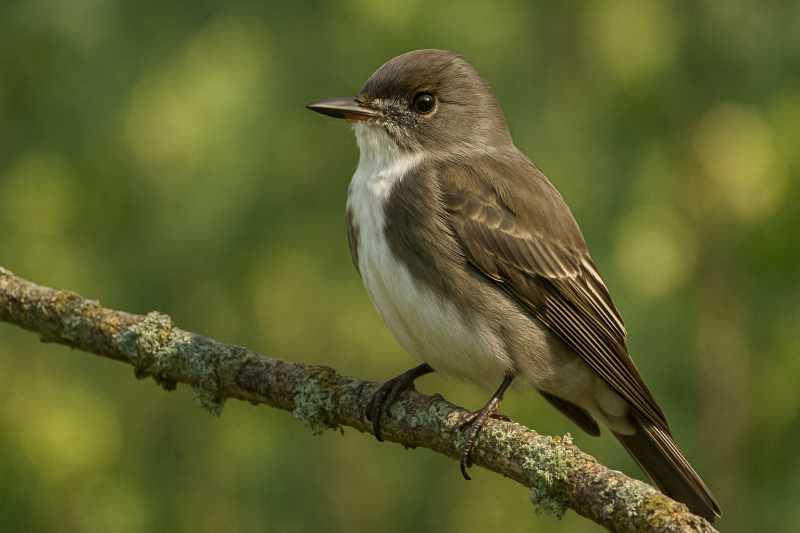
The Olive-sided Flycatcher is a medium-sized passerine bird that belongs to the family Tyrannidae. It is easily recognizable by its olive-brown upperparts, contrasting white underparts, and dark “vest” on its sides. One of its most distinctive features is its song, which is often described as a clear, whistled “quick, three beers!” This song is not only a territorial call but also plays a crucial role in mate attraction.
Primarily insectivorous, Olive-sided Flycatchers feed on a variety of flying insects, including bees, wasps, and dragonflies. They are adept at aerial hunting, often perching on high vantage points before swooping down to catch their prey in mid-air. This hunting strategy is not only efficient but also showcases their impressive agility and precision.
Migratory in nature, Olive-sided Flycatchers breed across the boreal forests of North America, from Alaska to Newfoundland, and migrate to Central and South America for the winter. This long-distance migration is fraught with challenges, making them vulnerable to various threats along their migratory routes.
Habitat and Range
The preferred breeding habitat of the Olive-sided Flycatcher is open coniferous forests, especially those affected by natural or human disturbances such as wildfires or logging. These environments provide the open spaces and perches necessary for their hunting strategy. The bird’s reliance on such specific habitats makes it particularly sensitive to changes in forest structure and composition.
During migration and winter, Olive-sided Flycatchers can be found in a variety of forested habitats, including montane and lowland tropical forests. Their adaptability to different forest types during migration underscores the importance of conserving a range of forested environments across their migratory path.
Conservation Status and Challenges
The Olive-sided Flycatcher is currently classified as Near Threatened by the International Union for Conservation of Nature (IUCN). Over the past few decades, their population has experienced a significant decline, attributed to a combination of habitat loss, climate change, and changes in insect populations.
One of the primary threats to this species is the loss of suitable breeding and wintering habitats. Logging, urban development, and agricultural expansion have led to the degradation and fragmentation of the forests they depend on. Additionally, climate change poses a long-term threat, potentially altering the distribution and availability of their preferred habitats and prey species.
Insect populations, crucial for the Olive-sided Flycatcher’s diet, are also declining globally. Factors such as pesticide use and habitat destruction contribute to the reduction in insect abundance, directly impacting the flycatcher’s food resources.
Conservation Efforts
Efforts to conserve the Olive-sided Flycatcher focus on habitat protection and restoration. Protecting large tracts of boreal forests and implementing sustainable forestry practices are essential to maintaining their breeding grounds. Additionally, conserving forest habitats along migratory routes and in wintering areas is crucial to ensuring the survival of this species.
International collaboration is vital, as these birds cross multiple countries during their annual migration. Conservation organizations and governments are working together to establish protected areas and implement policies that mitigate habitat destruction.
Public awareness and citizen science initiatives also play a significant role in conservation efforts. By engaging local communities and bird enthusiasts in monitoring programs, valuable data on population trends and habitat use can be gathered, informing future conservation strategies.
Conclusion
The Olive-sided Flycatcher is a remarkable species whose declining population serves as a poignant reminder of the interconnectedness of ecosystems and the impact of human activities on wildlife. By understanding their ecology, behavior, and the challenges they face, we can better appreciate the importance of conservation efforts aimed at preserving these birds and their habitats. As stewards of the environment, it is incumbent upon us to take meaningful action to ensure that future generations can continue to enjoy the presence and song of the Olive-sided Flycatcher in our forests.
Related posts