Understanding the Wattled Brushturkey: An Enigmatic Avian of the Arfak Mountains
The Wattled Brushturkey (Aepypodius arfakianus) is a fascinating and elusive bird species, endemic to New Guinea’s dense montane forests. Known for its unique appearance and intriguing reproductive strategies, the Wattled Brushturkey is a member of the Megapode family, characterized by their large feet and ground-nesting habits. This article delves into the biology, behavior, and conservation status of this remarkable bird, offering insights into its role in the ecosystem and the challenges it faces.
Taxonomy and Physical Description
The Wattled Brushturkey belongs to the family Megapodiidae, which includes mound-building birds commonly referred to as megapodes. This species was first described by Tommaso Salvadori in 1877, with its scientific name, Aepypodius arfakianus, indicating its primary habitat in the Arfak Mountains of Papua New Guinea.
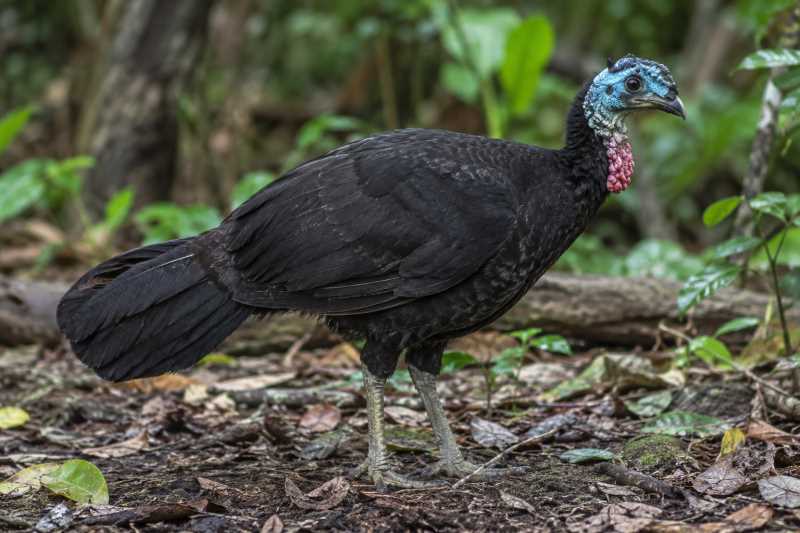
Physically, the Wattled Brushturkey is striking, with a body length ranging from 40 to 50 centimeters. It features a predominantly black plumage with a distinctive wattle—a fleshy protuberance—hanging from its neck. The coloration of the wattle can vary, often appearing in shades of red or yellow, which becomes more vibrant during the breeding season. This species also exhibits sexual dimorphism, with males generally larger and possessing more pronounced wattles than females.
Habitat and Distribution
The Wattled Brushturkey is primarily found in the montane forests of New Guinea, predominantly in the Arfak and Foja mountains. These areas provide the dense, humid environments necessary for their survival, with elevations ranging from 600 to 2,800 meters above sea level. The preference for secluded and less disturbed habitats makes them a challenging species to study in the wild.
Their distribution is relatively limited, and their presence is closely tied to specific ecological conditions found in these highland forests. The lush vegetation provides ample cover and a rich source of food, including fruits, seeds, and invertebrates, which the brushturkey forages from the forest floor.
Reproductive Behavior
One of the most intriguing aspects of the Wattled Brushturkey is its reproductive strategy. Like other megapodes, it constructs elaborate mounds of vegetation and soil, which serve as incubators for their eggs. These mounds are remarkable engineering feats, reaching up to 1.5 meters in height and 4 meters in diameter.
The male takes on the primary role of mound construction and maintenance, using its large feet to scrape together leaf litter and soil. The decomposition of organic material generates heat, which the brushturkey carefully regulates by adding or removing material to maintain the optimal incubation temperature. Females lay their eggs within these mounds, and the heat from decomposition incubates the eggs over several weeks.
Chicks hatch fully feathered and are precocial, meaning they are relatively mature and mobile from birth. They dig their way out of the mound and are immediately independent, capable of fending for themselves without parental assistance.
Conservation Status and Challenges
The Wattled Brushturkey is currently listed as Near Threatened on the IUCN Red List. The primary threats to their survival include habitat loss due to logging and agricultural expansion, particularly as human populations encroach on montane forest areas. Additionally, hunting for food by local communities poses a significant risk.
Conservation efforts are crucial to ensure the survival of this species. Protecting their natural habitats through the establishment of reserves and sustainable land management practices is essential. Furthermore, raising awareness and engaging local communities in conservation initiatives can help mitigate hunting pressures.
Ecological Importance
As a part of the forest ecosystem, the Wattled Brushturkey plays a vital role in seed dispersal and forest regeneration. By foraging and disturbing the soil, they aid in the aeration and cycling of nutrients, contributing to the overall health of their environment.
Their unique nesting behavior also influences the forest floor dynamics, as the decomposition process of their mounds can affect soil composition and plant growth in the surrounding areas.
Conclusion
The Wattled Brushturkey is a unique and captivating species, whose survival is intricately linked to the health of its montane forest habitat. Understanding their behavior, ecological role, and the threats they face is crucial for developing effective conservation strategies. As we continue to explore and appreciate the biodiversity of New Guinea, the Wattled Brushturkey stands out as a symbol of the delicate balance inherent in these ecosystems and the importance of preserving them for future generations.
Related posts