
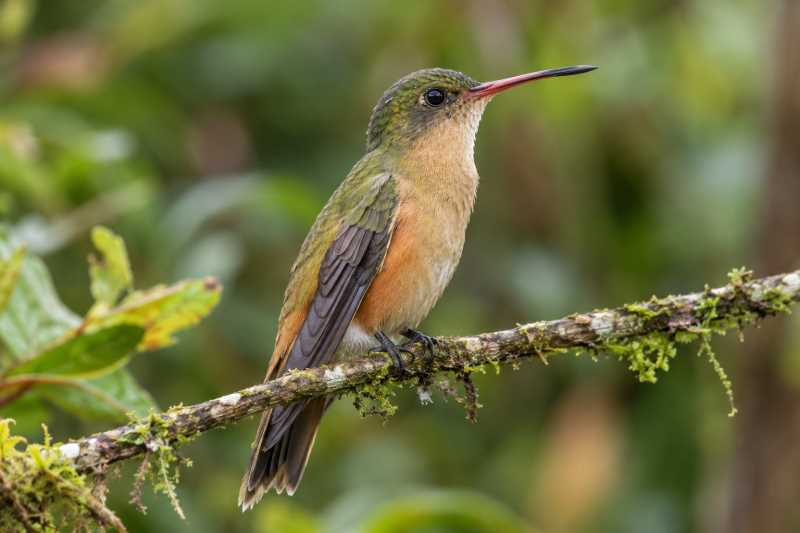
The Enchanting Cinnamon-sided Hummingbird: A Jewel of the Skies
Nature is a vast tapestry of wonder, woven with the most intricate and breathtaking species. Among these magnificent creatures, the Cinnamon-sided Hummingbird, scientifically known as Ramosomyia wagneri, stands out as a dazzling jewel of the avian world. With its vibrant plumage and agile flight, this hummingbird captivates both bird enthusiasts and casual observers alike. This article delves into the fascinating world of the Cinnamon-sided Hummingbird, exploring its physical characteristics, habitat, behavior, and conservation status.
Physical Characteristics
The Cinnamon-sided Hummingbird is a small, yet striking bird, measuring approximately 9 to 11 centimeters in length and weighing a mere 4 to 5 grams. Its most distinctive feature is the cinnamon-colored flanks, which contrast vividly with its iridescent green upperparts and gleaming white underbelly. The bird’s tail feathers are a mix of green and cinnamon hues, with males often exhibiting more intense coloration than females. The long, slender bill is perfectly adapted for nectar feeding, allowing the bird to access even the most deep-throated flowers.
The shimmering plumage of the Cinnamon-sided Hummingbird is not just for show; it plays a crucial role in communication and mating. During courtship displays, males perform elaborate aerial dances, their feathers catching the light in a dazzling array of colors. This visual spectacle is designed to attract females and deter rival males.
Habitat and Distribution
Native to the cloud forests and subtropical regions of Central America, particularly in countries such as Honduras, Nicaragua, and northern Costa Rica, the Cinnamon-sided Hummingbird thrives in environments that offer a rich diversity of flowering plants. These forests provide a constant supply of nectar, which forms the primary diet of these hummingbirds. In addition to nectar, they also consume small insects and spiders to meet their protein requirements, especially during the breeding season.
The dense foliage and towering trees of their habitats not only supply food but also offer protection from predators. However, this dependence on specific environments makes the Cinnamon-sided Hummingbird vulnerable to habitat destruction. Deforestation and land conversion for agriculture are significant threats, leading to a decline in suitable habitats.
Behavior and Ecology
Cinnamon-sided Hummingbirds are diurnal creatures, most active during the early morning and late afternoon when flowers are most abundant with nectar. They are solitary birds, except during breeding when pairs come together. Known for their remarkable agility, they can hover in mid-air, fly backwards, and make rapid, darting movements as they forage for food.
These hummingbirds are territorial and will aggressively defend their feeding areas from intruders. This territorial behavior ensures that they have exclusive access to food resources, which are vital for their high metabolism. The rapid wing beats, which can reach up to 70 beats per second, and their fast heart rate require a constant intake of energy.
Reproduction and Lifespan
The breeding season for Cinnamon-sided Hummingbirds usually occurs during the rainy season when food is plentiful. Males perform elaborate courtship displays to attract females, which include aerial acrobatics and singing. Once a pair bond is formed, the female takes on the responsibility of building the nest and caring for the young.
Nests are typically constructed on the branches of trees, made from plant fibers, moss, and spider silk. The female lays two tiny, white eggs, which she incubates for about 14 to 19 days. After hatching, the chicks are altricial, meaning they are born naked and helpless, requiring constant care and feeding from the mother. Juveniles fledge the nest approximately three weeks after hatching, though they remain dependent on their mother for food for a short period thereafter.
In the wild, Cinnamon-sided Hummingbirds can live up to five years, although many face threats from predation and habitat loss.
Conservation Status
The conservation status of the Cinnamon-sided Hummingbird is currently listed as Near Threatened, primarily due to habitat loss. The fragmentation of cloud forests poses a significant risk to their survival. Conservation efforts are crucial to protect their natural habitats and ensure their long-term survival.
Efforts to conserve the Cinnamon-sided Hummingbird must focus on preserving and restoring their habitats. This includes reforestation projects, the establishment of protected areas, and sustainable land management practices. Additionally, raising awareness about the importance of cloud forests and the species that inhabit them can help garner support for conservation initiatives.
Conclusion
The Cinnamon-sided Hummingbird is a testament to the splendor of avian diversity. Its vibrant colors, remarkable agility, and unique behaviors make it a fascinating subject for study and admiration. As with many species, human activity poses a threat to its existence, highlighting the need for concerted conservation efforts. By understanding and appreciating the beauty and ecological significance of the Cinnamon-sided Hummingbird, we can take meaningful steps to protect this enchanting species for future generations to enjoy.
Related posts


