Introduction
The Marsh Seedeater (Sporophila palustris) is a small, yet fascinating bird species native to the grasslands and marshes of South America. Known for its striking plumage and melodious song, this bird has captivated ornithologists and birdwatchers alike. Despite its charm, the Marsh Seedeater faces significant threats to its survival, making conservation efforts crucial. This article delves into the biology, habitat, behavior, and conservation status of the Marsh Seedeater, shedding light on why this species deserves our attention and protection.
Taxonomy and Description
The Marsh Seedeater belongs to the family Thraupidae, which includes a diverse group of small to medium-sized passerine birds. Within this family, it is part of the genus Sporophila, commonly known as seedeaters due to their diet primarily consisting of seeds.
Physical Characteristics
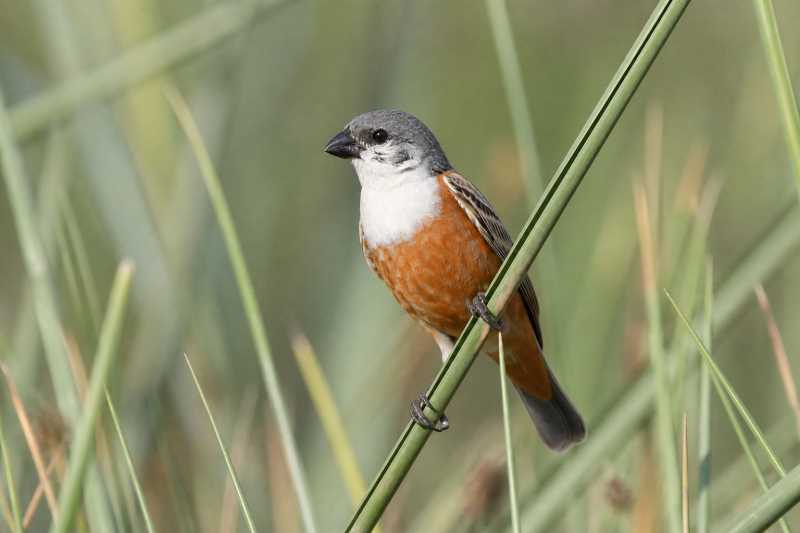
The Marsh Seedeater is a diminutive bird, measuring approximately 10 to 12 centimeters in length. Males are particularly striking, with their bright chestnut-brown plumage and contrasting white underparts. Females, on the other hand, are more subdued in coloration, exhibiting a brownish-grey hue that provides effective camouflage among the grasses. Both sexes have a short, robust beak adapted for seed consumption.
Habitat and Distribution
Geographic Range
Sporophila palustris is primarily found in the wetland regions of South America, with its range extending across Paraguay, Argentina, Brazil, and Uruguay. These birds are particularly associated with the Pampas and grasslands where marshy conditions prevail.
Habitat Preferences
True to its name, the Marsh Seedeater thrives in marshy environments with dense grasses and sedges. These areas not only provide ample food resources but also offer suitable nesting sites. The species is highly dependent on the seasonal flooding of these grasslands, which shapes the availability of seeds and insects that constitute their diet.
Behavior and Diet
Feeding Habits
The diet of the Marsh Seedeater is predominantly composed of seeds, particularly those from grasses and sedges. During the breeding season, their diet is supplemented with insects, which provide the necessary protein for growing chicks. The bird’s stout beak is perfectly adapted for cracking open seeds, a skill that is honed by both juvenile and adult birds.
Breeding and Social Behavior
Marsh Seedeaters are known for their seasonal monogamy, with pairs forming during the breeding season. Males are territorial and often engage in elaborate displays to attract females and deter rivals. Their song, a series of high-pitched trills and warbles, plays a crucial role in these displays.
Nesting typically occurs in dense vegetation, with the female constructing a cup-shaped nest from grasses and plant fibers. Clutch sizes are small, usually consisting of 2 to 3 eggs, which are incubated by the female.
Conservation Status and Threats
Current Status
The Marsh Seedeater is currently listed as Vulnerable on the IUCN Red List. This classification reflects the species’ declining population trends, driven largely by habitat loss and degradation.
Threats
- Habitat Destruction: The conversion of wetlands and grasslands for agriculture and urban development poses a significant threat to the Marsh Seedeater’s habitat. Draining of wetlands for crop cultivation disrupts the natural flooding cycles essential for the bird’s survival.
- Climate Change: Changes in climate patterns can alter the availability of resources in the marshes, affecting food supply and breeding success.
- Illegal Trapping: The bird’s striking appearance makes it a target for the illegal pet trade, further exacerbating population declines.
Conservation Efforts
Efforts to conserve the Marsh Seedeater are multifaceted, focusing on habitat protection, legal frameworks, and public awareness.
Protected Areas and Habitat Restoration
Several protected areas across South America serve as refuges for the Marsh Seedeater. Conservation organizations are actively involved in restoring degraded habitats, reestablishing native vegetation, and ensuring sustainable land use practices.
Legislation and Policy
National and international laws play a pivotal role in protecting the Marsh Seedeater. Enforcement of regulations against illegal trapping and trade is crucial, as is the promotion of policies that prioritize wetland conservation.
Community Engagement and Education
Engaging local communities in conservation efforts is vital. Educational programs highlighting the ecological importance of the Marsh Seedeater and its habitat foster a sense of stewardship among residents. Ecotourism initiatives also provide economic incentives for preserving natural habitats.
Conclusion
The Marsh Seedeater is a testament to the rich biodiversity of South America’s wetlands. Its survival is intricately linked to the health of these ecosystems, underscoring the need for concerted conservation efforts. By safeguarding the habitats they depend on and addressing the threats they face, we can ensure that the melodious song of the Marsh Seedeater continues to echo across the marshlands for generations to come.
Related posts