The Mottled Spinetail: An Avian Marvel of the African Skies
The Mottled Spinetail, scientifically known as Telacanthura ussheri, is a fascinating and elusive bird species that inhabits the tropical regions of Africa. This avian marvel is a member of the Apodidae family, known for its impressive flight capabilities and unique physical characteristics. Ornithologists and birdwatchers alike have shown a growing interest in the Mottled Spinetail due to its distinct behaviors and the challenges it poses for study in its natural habitat.
Taxonomy and Distribution
The Mottled Spinetail is classified under the genus Telacanthura, which comprises several species of swifts known for their rapid flight and agility. The species is named in honor of the British ornithologist, Henry Ussher, who contributed significantly to the study of African avifauna. The Mottled Spinetail predominantly resides in the moist lowland forests and wooded savannas of West and Central Africa, with recorded populations ranging from Sierra Leone in the west to Uganda in the east. Its presence has also been noted in the dense forests of the Democratic Republic of Congo, an indication of its adaptability to diverse forested environments.
Physical Description
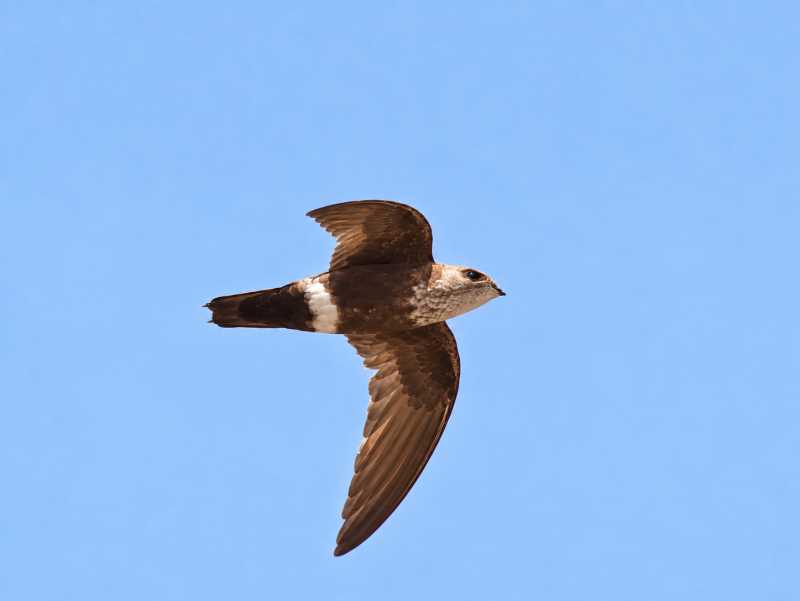
The Mottled Spinetail is a medium-sized swift, measuring approximately 16 centimeters in length. It exhibits a distinctive plumage pattern, characterized by a mottled appearance on its upperparts, from which it derives its common name. The bird’s underparts are typically a lighter gray, providing a subtle contrast. Its body is streamlined, an adaptation that facilitates swift and agile flight. One of the most distinguishing features of the Mottled Spinetail is its spiny tail feathers, which are used for stability and maneuverability during flight.
Behavior and Ecology
The Mottled Spinetail is predominantly insectivorous, feeding on a variety of aerial insects captured in flight. Its diet mainly consists of ants, beetles, and various flying insects, which it skillfully catches with its wide gape. The species is known for its remarkable flight patterns, often seen darting and gliding gracefully in the sky as it forages for food. Unlike many other birds, the Mottled Spinetail spends a significant portion of its life airborne, only coming to rest on vertical surfaces such as cliffs, tree trunks, or even buildings.
Breeding behavior among Mottled Spinetails remains somewhat understudied due to their secluded nesting habits. They are believed to nest in tree cavities or abandoned woodpecker holes. The breeding season appears to coincide with the onset of the rainy season, which ensures an abundant supply of food for the chicks. Observations suggest that the female lays two to three eggs per clutch, with both parents participating in feeding and caring for the young.
Conservation Status
Currently, the Mottled Spinetail is classified as a species of Least Concern by the International Union for Conservation of Nature (IUCN). However, like many forest-dwelling species, it faces threats from habitat destruction and deforestation. Rapid urbanization and agricultural expansion in many parts of Africa result in the loss of critical habitats, which could impact the long-term survival of this species. Conservation efforts aimed at preserving forest habitats are crucial to ensuring the continued existence of the Mottled Spinetail and many other avian species that rely on these ecosystems.
Cultural and Ecological Significance
The Mottled Spinetail plays a vital role in its ecosystem as both a predator and prey. By controlling insect populations, it helps maintain ecological balance. Additionally, its presence in various African cultures adds to the rich tapestry of biodiversity that characterizes the continent. In some regions, swifts are associated with speed and agility, qualities that are admired and revered.
Conclusion
The Mottled Spinetail is a remarkable example of avian adaptation and survival in the diverse ecosystems of Africa. Its unique physical attributes, coupled with its specialized feeding and nesting behaviors, make it a subject of interest for ornithologists and conservationists alike. While currently not at immediate risk, the species’ reliance on forested habitats underscores the importance of sustainable environmental practices. By preserving the natural landscapes that these birds call home, we safeguard not only the Mottled Spinetail but also the intricate web of life that thrives within these habitats.
As we continue to explore and understand the complexities of avian life, the Mottled Spinetail serves as a reminder of nature’s ingenuity and the delicate balance that sustains our natural world.
Related posts